Myanmar’s military government has criminalized the buying, selling and public display of roses in an apparent attempt to suppress a growing protest movement linked to detained former leader Aung San Suu Kyi’s 81st birthday.
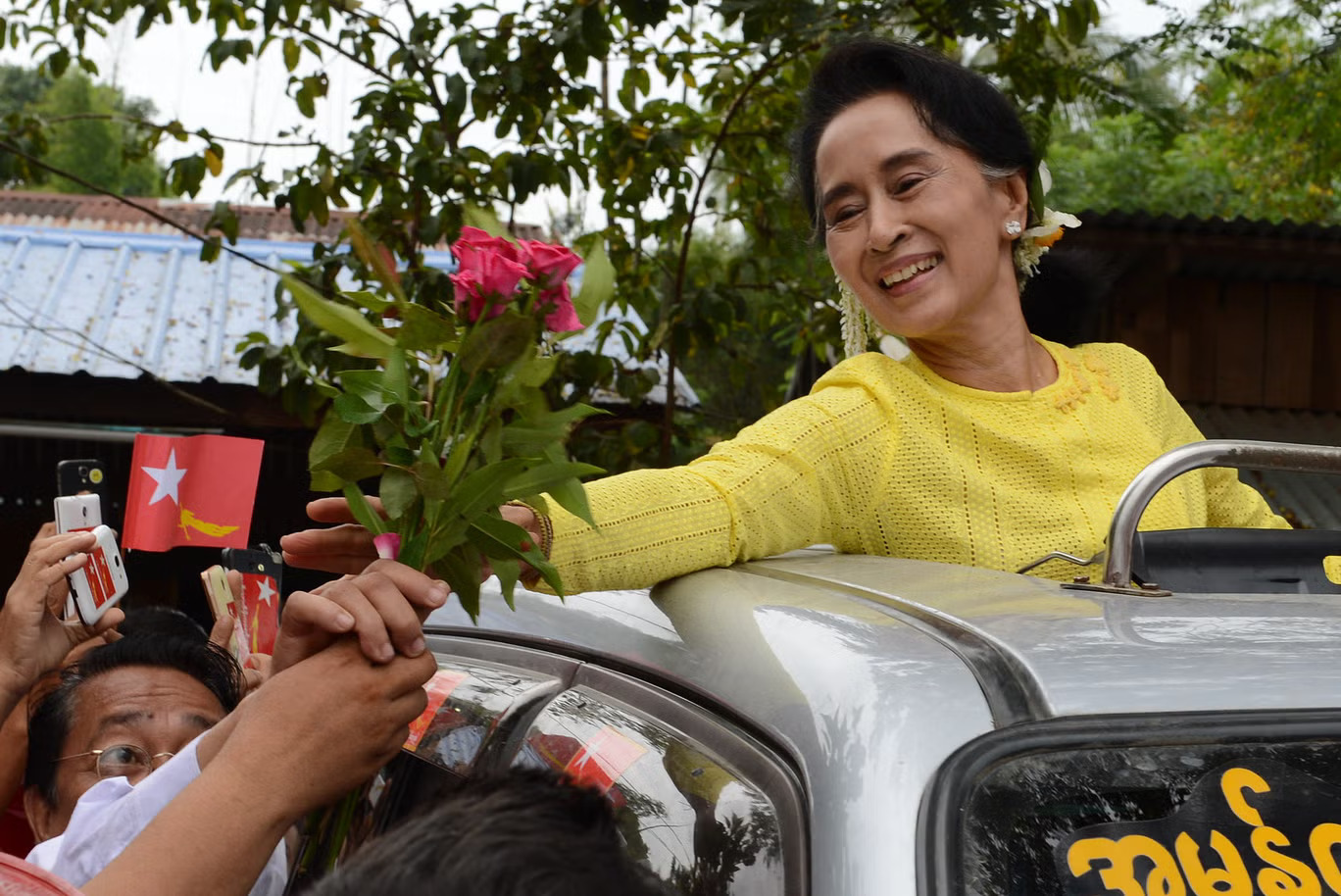
The campaign, known as the “Roses of Hope” movement, encourages women to wear roses in their hair and supporters to place flowers at Buddhist temples as a symbolic call for the release of political prisoners. Roses were chosen because they have long been associated with Suu Kyi, who frequently wore them in public during her years in politics.
The ban comes as concerns intensify over the whereabouts and condition of Suu Kyi, who has not been seen publicly since 2023. Although Myanmar authorities announced in April that she had been transferred from prison to house arrest, no recent photographs or independent confirmation of her status have emerged.
According to The Independent, the military government released an image purportedly showing Suu Kyi with two military officers, but the photograph was later found to be several years old. While former President U Win Myint has reportedly received family visits following his transfer from prison, there has been no verified contact with Suu Kyi.
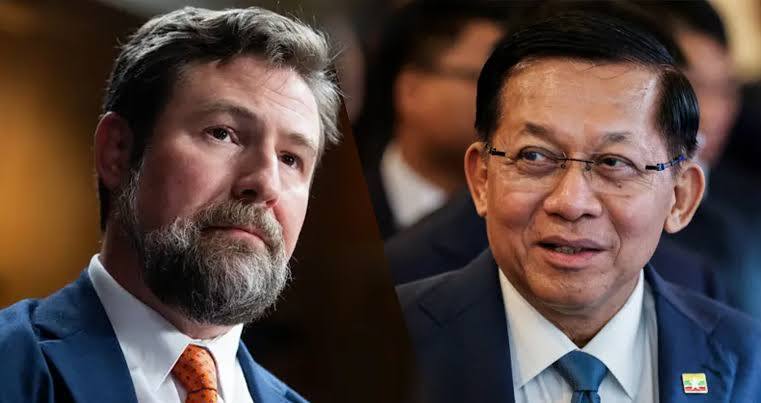
Sean Turnell, an Australian economist who served as Suu Kyi’s senior economic adviser before the 2021 military coup, expressed concern over the lack of information. He argued that the junta has strong diplomatic incentives to provide proof that she is alive and in good health, yet has failed to do so.
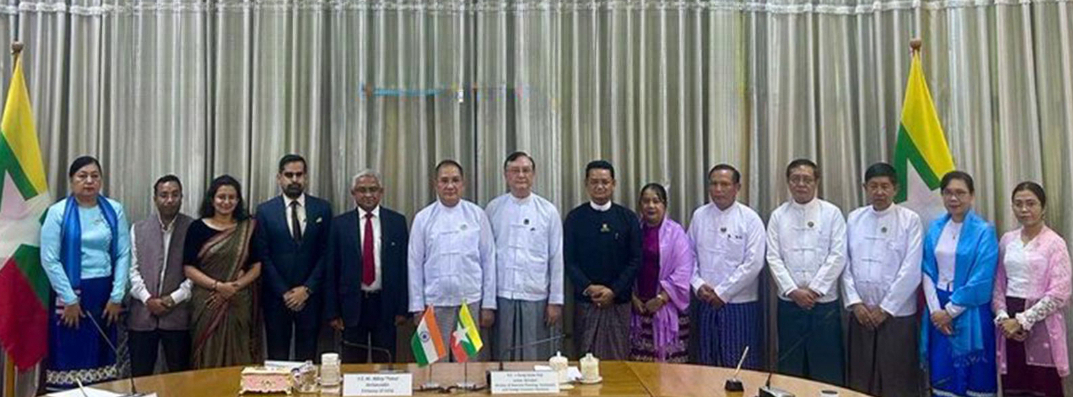
Speculation over Suu Kyi’s condition has emerged amid broader diplomatic efforts by Myanmar’s military leadership to improve its international standing. Junta chief and President Min Aung Hlaing visited Beijing this week for talks with Chinese President Xi Jinping, following a recent meeting with Indian Prime Minister Narendra Modi.
Despite ongoing civil conflict across Myanmar, China and India have increasingly engaged with the military-led government, driven by strategic and economic interests. China, in particular, is seeking to advance major infrastructure and energy projects under its Belt and Road Initiative, including the long-delayed railway linking China to the deep-sea port of Kyaukphyu on Myanmar’s Bay of Bengal coast.
Myanmar also remains a critical supplier of rare earth minerals and other strategic resources for China’s industrial sector. Meanwhile, both Beijing and New Delhi share concerns over instability along Myanmar’s borders and the expansion of transnational cybercrime networks operating from scam compounds inside the country.
The military seized power in February 2021, overthrowing Suu Kyi’s elected government and triggering a nationwide uprising that has since evolved into a prolonged civil war. Thousands have been killed, millions displaced, and more than 20,000 political prisoners remain in detention, according to rights groups.
As supporters continue to use roses as a symbol of resistance, the junta’s latest ban highlights its determination to silence even the most peaceful forms of dissent. Yet the growing mystery surrounding Suu Kyi’s fate is likely to fuel further questions both inside Myanmar and across the international community.
BOB Post