In the past week, headlines across Southeast Asia have been dominated by scandals and crises. Myanmar’s ongoing scam operations have triggered international concern, Thailand’s border region is grappling with power cuts and immigration crackdowns, and escalating tensions have shifted global attention to immediate geopolitical challenges. But amid these high-profile developments, a humanitarian crisis seems to have slipped into the shadows — the plight of the Rohingya people.

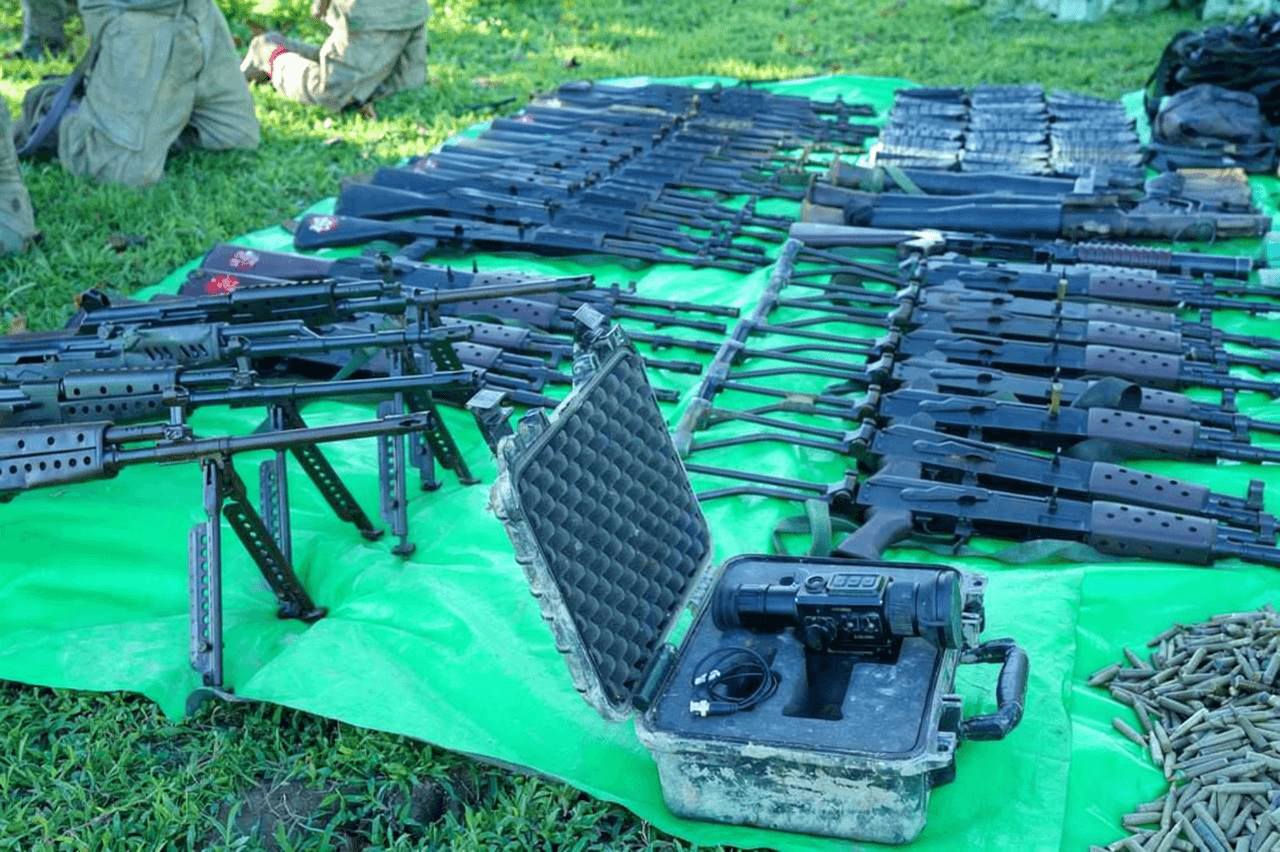
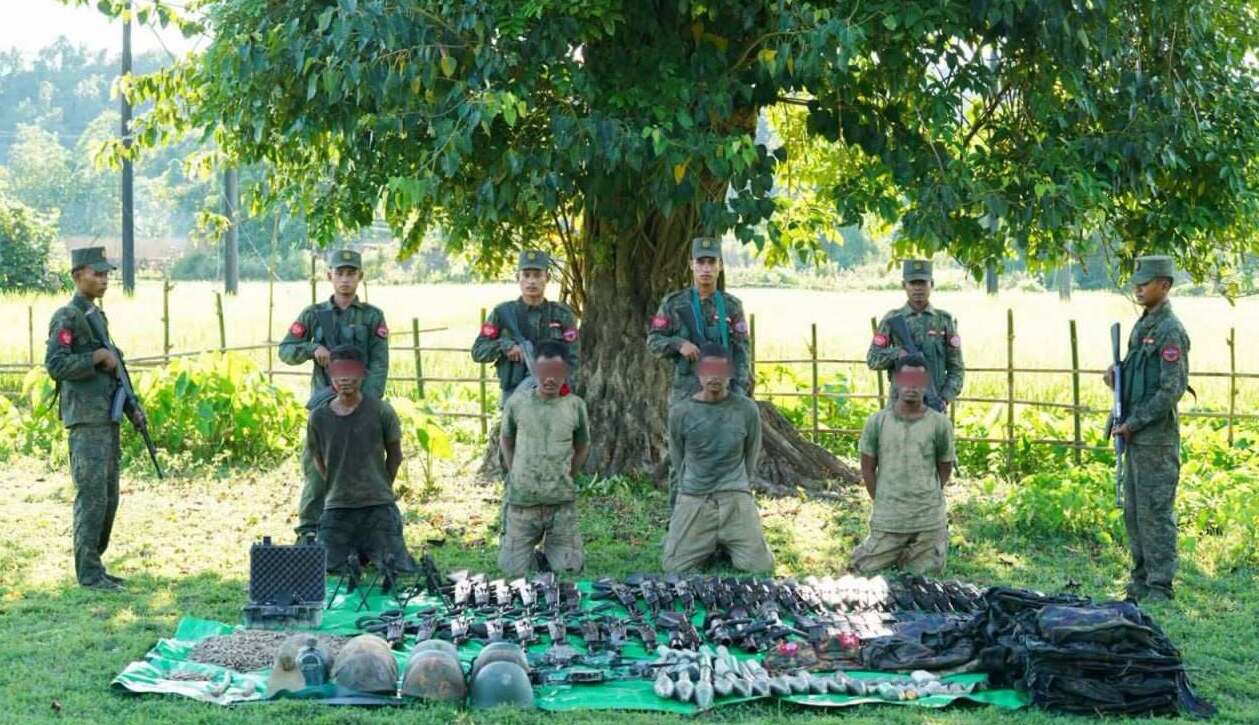
While the media zeroes in on the Myanmar scam networks and Thailand’s immigration issues, the question remains: What about the Rohingya? Reports from Arakan (Rakhine) State suggest that the violence is far from over. Skirmishes between the Arakan Army and Myanmar’s military continue, fueling instability and worsening conditions for displaced Rohingya communities. Besides Arakan army has becoming a new gangstar of the arakan war town.
Conflict in Rakhine State Is Increasing Conflicts between the Arakan Army (AA) and the Myanmar military have escalated, and the situation in Rakhine State has drastically worsened. The whole 271-kilometer border with Bangladesh is apparently secure since the AA has taken control of significant areas, including key towns like Maungdaw. Both local population safety and regional stability are significantly impacted by this change in power.
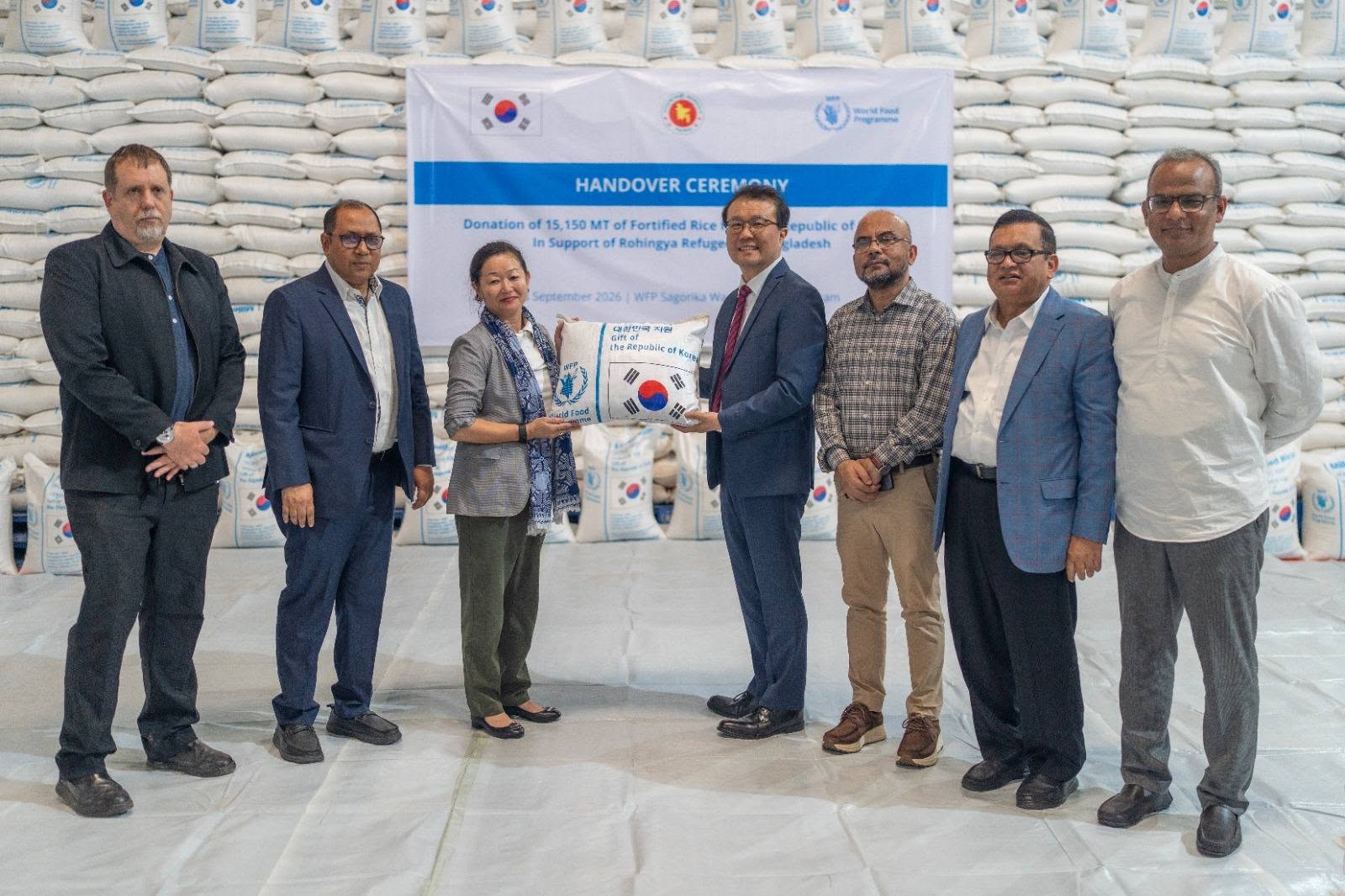
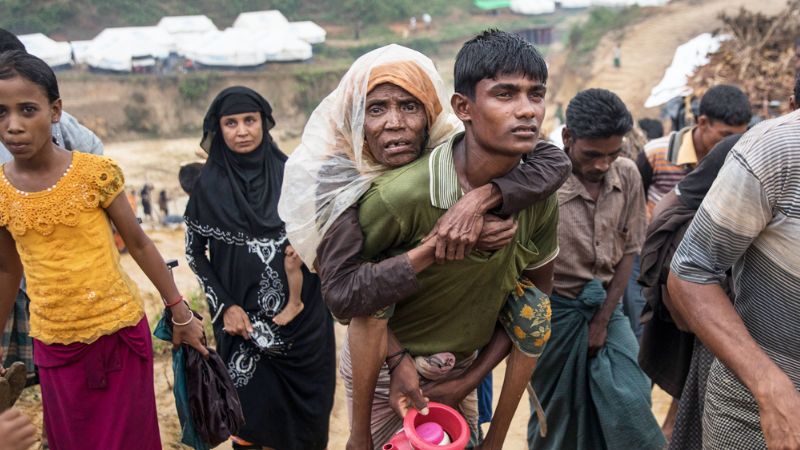
Despite years of international promises and resolutions, more than 1 million Rohingya remain in refugee camps in Bangladesh, living in dire conditions with little hope of a safe return. The lack of global media focus risks allowing the crisis to fade from the international agenda, leaving a vulnerable population trapped in limbo.
Why the Silence Matters
The silence around the Rohingya issue isn’t just a matter of media negligence; it reflects a deeper failure of the international community to hold Myanmar accountable. Human rights organizations have repeatedly called for stronger action, including sanctions and diplomatic pressure, but global attention remains fixated on more politically strategic crises.
Without sustained international pressure, Myanmar’s military government has little incentive to create conditions for safe and voluntary repatriation. The Rohingya deserve more than just sympathy — they need enforceable guarantees of citizenship, protection, and dignity in their homeland.
The Call for Renewed Action
Global powers, human rights groups, and regional leaders must renew their focus on the Rohingya crisis. As the situation in Myanmar remains unstable, the risk of prolonged displacement and statelessness grows ever more critical. Repatriation must not only be a diplomatic promise but an actionable priority with clear timelines and international oversight.
The world cannot afford to let this crisis remain hidden behind headlines of border conflicts and political scandals. Justice for the Rohingya is not just a regional issue — it is a global responsibility.
BOB Post