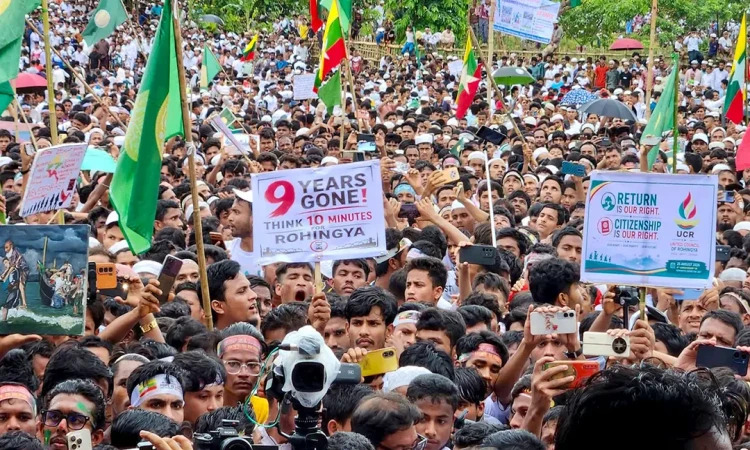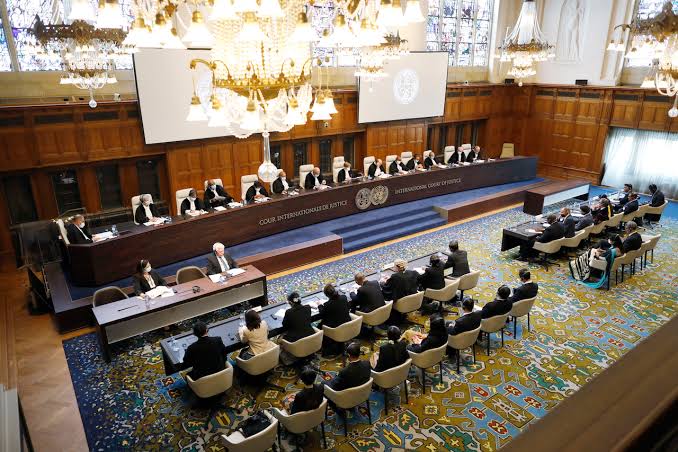
The International Court of Justice (ICJ) is due to deliver a landmark judgment on November 19 in a genocide case brought by The Gambia against Myanmar over its treatment of the Rohingya, a ruling that could have far-reaching implications for international justice and the interpretation of the Genocide Convention.
The case centres on allegations that Myanmar violated the 1948 Genocide Convention through its military campaign against the Rohingya. Beyond its significance for the victims, the judgment is expected to clarify when a state can be held responsible for genocide, how genocidal intent can be established and what standard of evidence the court should apply.
According to EUobserver, the case draws heavily on earlier ICJ rulings, particularly the 2007 Bosnia v Serbia judgment, in which the court confirmed that genocide had occurred in Srebrenica but did not directly attribute the crimes to Serbia. However, it found Serbia had failed to fulfil its obligations to prevent genocide and punish those responsible.
The court also faces questions over the demanding standard of proof required to establish genocidal intent. Under its previous rulings, such intent must be the only reasonable explanation when inferred from a pattern of conduct rather than established through direct evidence.
The proceedings have attracted international attention, with 11 countries, including Belgium, France, Germany, the United Kingdom, Canada and the Netherlands, intervening to present their views on the interpretation of the Genocide Convention.
The ruling is also expected to draw attention in South Africa's separate genocide case against Israel, as both proceedings involve the same international convention. Although the Myanmar judgment will not determine the South Africa case, its legal reasoning could influence subsequent deliberations.
The case also highlights concerns over the independence of international courts amid growing political pressure on judicial institutions, particularly following US sanctions against International Criminal Court officials.
For the Rohingya, the November 19 judgment could represent a significant moment in their long pursuit of justice. More broadly, it will test the international community's commitment to holding states accountable for alleged genocide and upholding international law.
BOB Post