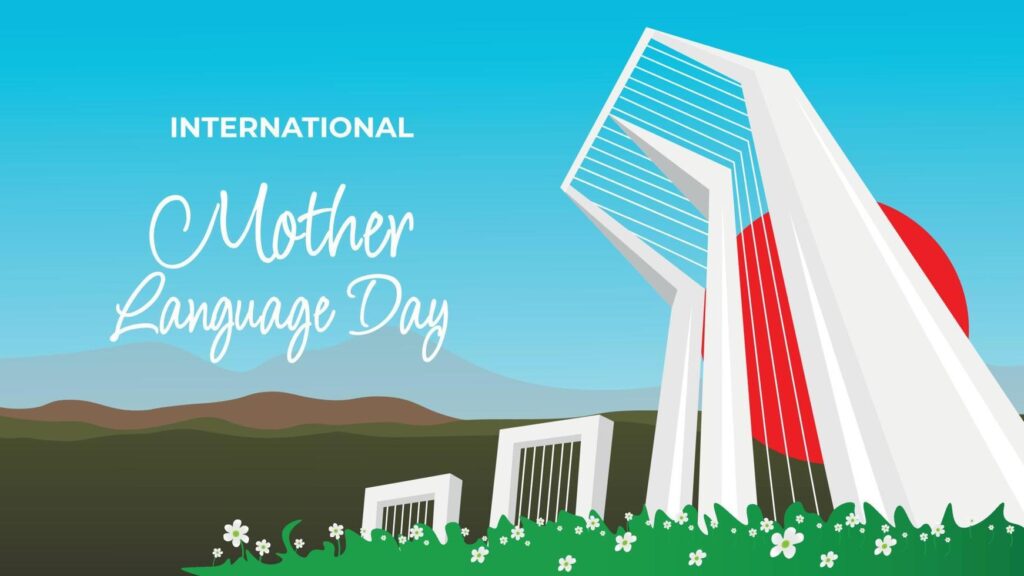
International Mother Language Day, observed annually on February 21, is a solemn yet inspiring reminder of the power of language and cultural identity. Born from the sacrifices of Bangladesh's language martyrs in 1952, this day honors the right to speak one’s mother tongue, a struggle that has become increasingly relevant as local languages worldwide face the threat of extinction.
The Significance of Bengali and Its Historic Struggle
The roots of International Mother Language Day lie in Bangladesh’s history, where the people of then East Pakistan fought against the imposition of Urdu as the sole state language. The movement culminated in the tragic deaths of Salam, Rafiq, Barkat, and Jabbar, who were shot by police while protesting for their linguistic rights. Their sacrifice led to the eventual recognition of Bengali as one of Pakistan’s state languages and later fueled Bangladesh’s independence movement in 1971.
Today, Bengali is spoken by over 230 million people worldwide, making it the seventh most spoken language. However, while Bengali thrives, many indigenous and regional languages in Bangladesh and beyond are struggling to survive against the onslaught of globalization and linguistic homogenization.
Why Are Local Languages Dying?
The decline of local languages is a global concern. UNESCO estimates that nearly 40% of the world’s languages are endangered, with one language vanishing approximately every two weeks. Several factors contribute to this alarming trend.
English, Mandarin, and other dominant languages are increasingly required for education, employment, and international communication, making smaller languages less practical for economic advancement.
As rural communities migrate to urban areas, younger generations often abandon their native tongues in favor of more widely spoken languages. Many governments prioritize official languages in education and administration, leaving local languages without formal recognition or support. The dominance of global entertainment, social media, and digital platforms in major languages marginalizes indigenous languages, limiting their reach and influence.
Many educational systems discourage or ignore mother tongues in favor of national or foreign languages, leading to generational language loss.
As Bangladesh leads the world in commemorating International Mother Language Day, it also carries the responsibility to champion linguistic diversity globally. The spirit of 1952 must extend beyond Bengali, embracing all indigenous and endangered languages worldwide. By recognizing and supporting linguistic rights, societies can ensure that future generations will not just remember their mother tongue but live and breathe it.
The fight for language is a fight for identity, culture, and history. The question remains: Will we let these voices fade into silence, or will we take action to keep them alive?
BOB Post