Pope Leo has called on European leaders to adopt a more comprehensive and humane approach to migration, urging them to move beyond emergency responses and develop long-term policies that protect, support and integrate people forced to flee their homes.
Speaking during a visit to the Italian island of Lampedusa on Sunday, the pontiff said Europe has both the responsibility and the capacity to respond to one of the continent's most pressing humanitarian challenges.
"Europe is capable of addressing the crisis in a comprehensive manner, integrating immediate relief efforts into a long-term strategic plan capable of receiving, protecting, supporting and integrating migrants," Pope Leo told thousands gathered for Mass on the Mediterranean island.
Lampedusa, located closer to North Africa than mainland Italy, has become one of Europe's most symbolic gateways for migrants attempting the perilous Mediterranean crossing from Libya and Tunisia. For years, overcrowded and often unseaworthy boats carrying people fleeing conflict, persecution, poverty and climate-related hardships have arrived on the island's shores. Many, however, never complete the journey, losing their lives in one of the world's deadliest migration routes.
According to DW, Lampedusa has long stood at the center of Europe's migration debate, embodying both the humanitarian tragedy unfolding in the Mediterranean and the political divisions among European nations over responsibility-sharing, border management and asylum policies.
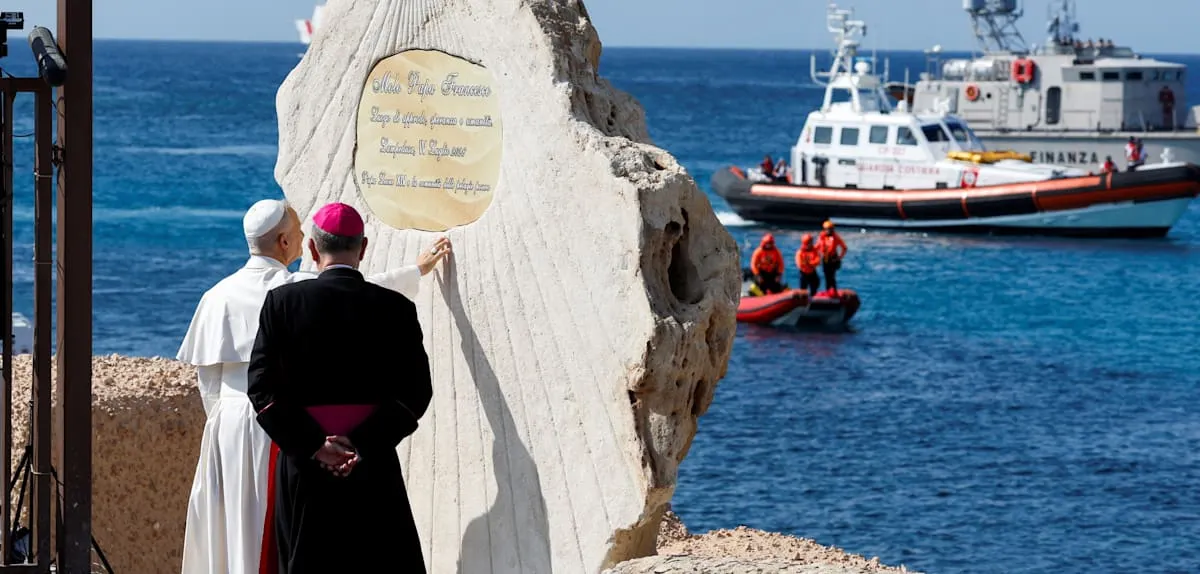
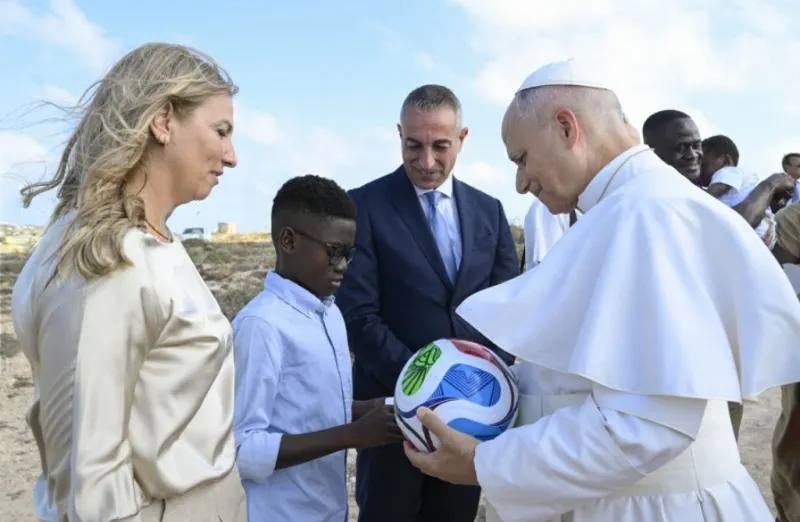
During his visit, Pope Leo prayed at a cemetery dedicated to migrants who died attempting the crossing, met newly arrived migrants at the island's port and celebrated Mass with local residents and aid workers.
"From this far-flung corner of Europe on the Mediterranean Sea, one can more clearly perceive the momentous challenge that the phenomenon of migration poses to European societies," he said.
The pope stressed that migration cannot be addressed solely through border controls or rescue operations. Instead, he called for policies that combine humanitarian assistance with international cooperation, including greater support for developing countries so that people are not forced to leave their homes in search of safety or economic opportunity.
He also praised Lampedusa's residents, particularly its fishing and tourism communities, for their compassion toward those arriving on the island despite the pressure placed on local resources.
"I thank the fishing and tourism community for the solidarity that so many of you have shown," he said.
The scale of migration to Italy has remained significant this year. According to the UN refugee agency (UNHCR), more than 14,000 migrants reached Italy during the first six months of the year, with most departing from Libya. Nearly 60 percent of those arrivals first landed in Lampedusa, underscoring the island's continuing role as the frontline of Mediterranean migration.
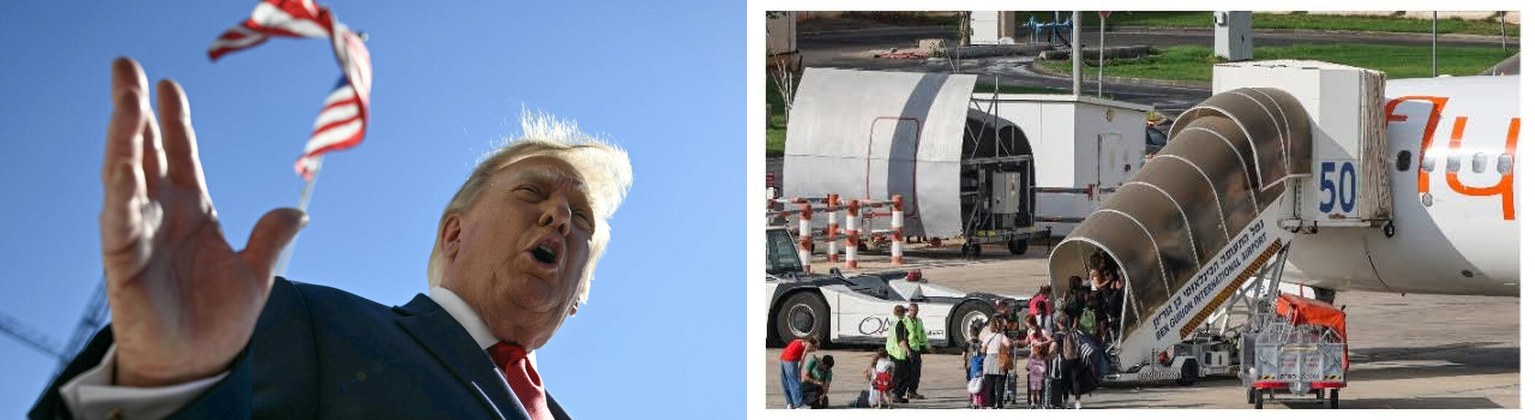
Separately, Pope Leo marked the 250th anniversary of US independence by appealing to Americans to welcome immigrants with compassion and dignity.
In a letter addressed to his home country, the pontiff said that protecting human life also means "welcoming, protecting and assisting immigrants."
"To receive them with compassion and generosity is not only an act of charity, but also a recognition of the dignity that belongs to every human person," he wrote.
The pope's twin appeals to Europe and the United States reinforce his consistent message that migration should be viewed not merely as a political or security issue, but as a humanitarian responsibility requiring solidarity, international cooperation and respect for human dignity.
BOB Post