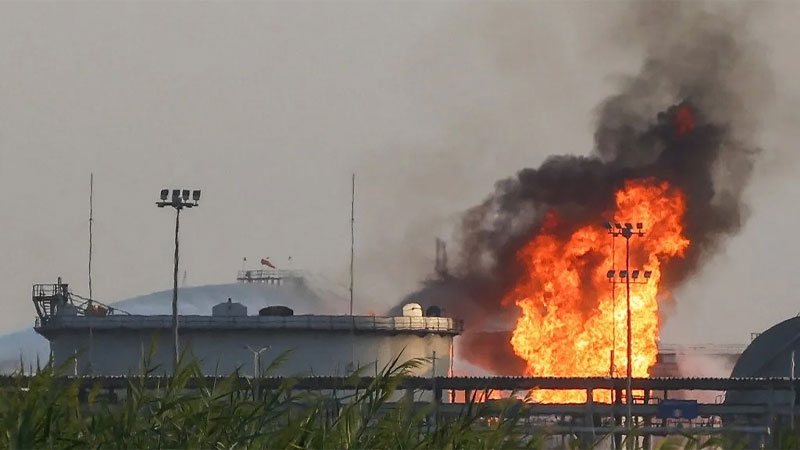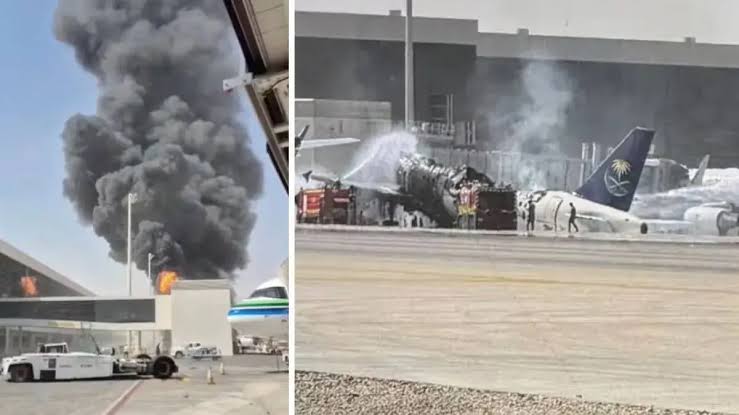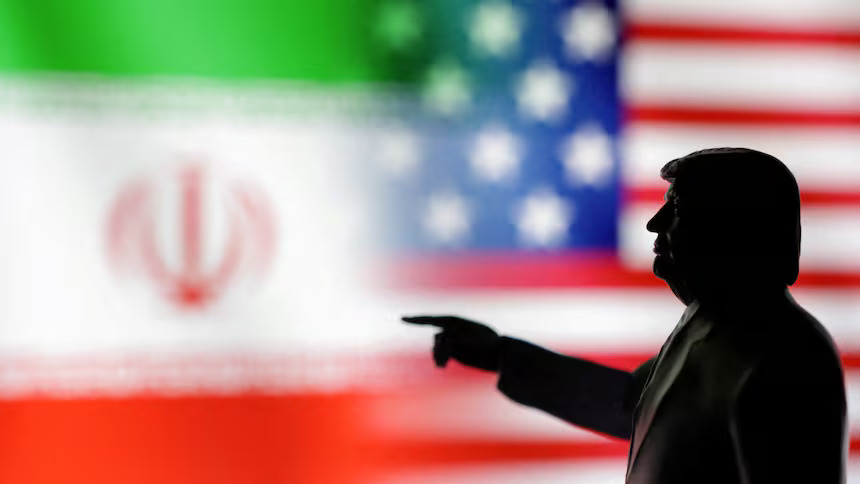
Three days after launching sweeping air strikes on Iran, US President Donald Trump’s broader war strategy remains uncertain, even as his administration expands its stated objectives beyond dismantling Tehran’s nuclear programme.
Initially framed as a targeted mission to destroy Iran’s nuclear capabilities, the operation has since widened in scope. Speaking at the White House on Monday, Trump said the United States is now seeking to eliminate Iran’s ballistic missile arsenal, cripple its navy, and weaken its support for regional proxy groups.
“An Iranian regime armed with long-range missiles and nuclear weapons would be an intolerable threat,” Trump said, arguing the offensive is necessary to safeguard the US and its allies.
However, the president stopped short of outlining what Iran’s political future might look like once the campaign concludes. His earlier weekend call urging Iranians to “take back your government” was widely interpreted as an implicit nod toward regime change following the reported killing of Supreme Leader Ayatollah Ali Khamenei in joint US-Israeli strikes.

Senior officials have offered mixed signals. Defence Secretary Pete Hegseth insisted the assault dubbed Operation Epic Fury is “not a regime change war,” though he acknowledged the leadership landscape in Tehran has shifted. Secretary of State Marco Rubio later described the strikes as “pre-emptive,” claiming Washington acted to avoid heavier casualties if Israel’s planned attacks had triggered Iranian retaliation against US forces.
Military leaders have taken a more cautious tone. General Dan Caine warned the objectives would involve “difficult and gritty work,” and signalled the risk of further American casualties. So far, six US service members have been killed in retaliatory Iranian strikes targeting regional allies including Jordan, Bahrain and the United Arab Emirates.
According to BBC News, Trump’s unconventional messaging relying heavily on social media posts and brief phone interviews rather than a formal Oval Office address marks a sharp departure from past wartime communication strategies adopted by previous US presidents.
While Trump has ruled out deploying ground troops “for now,” he has not entirely closed the door on future escalation. He suggested the conflict could last “four to five weeks” or “as long as it takes.”
With no detailed roadmap for post-conflict Iran and Congress demanding greater clarity, questions remain over whether the operation will remain limited to air power or evolve into a deeper regional confrontation.
BOB Post