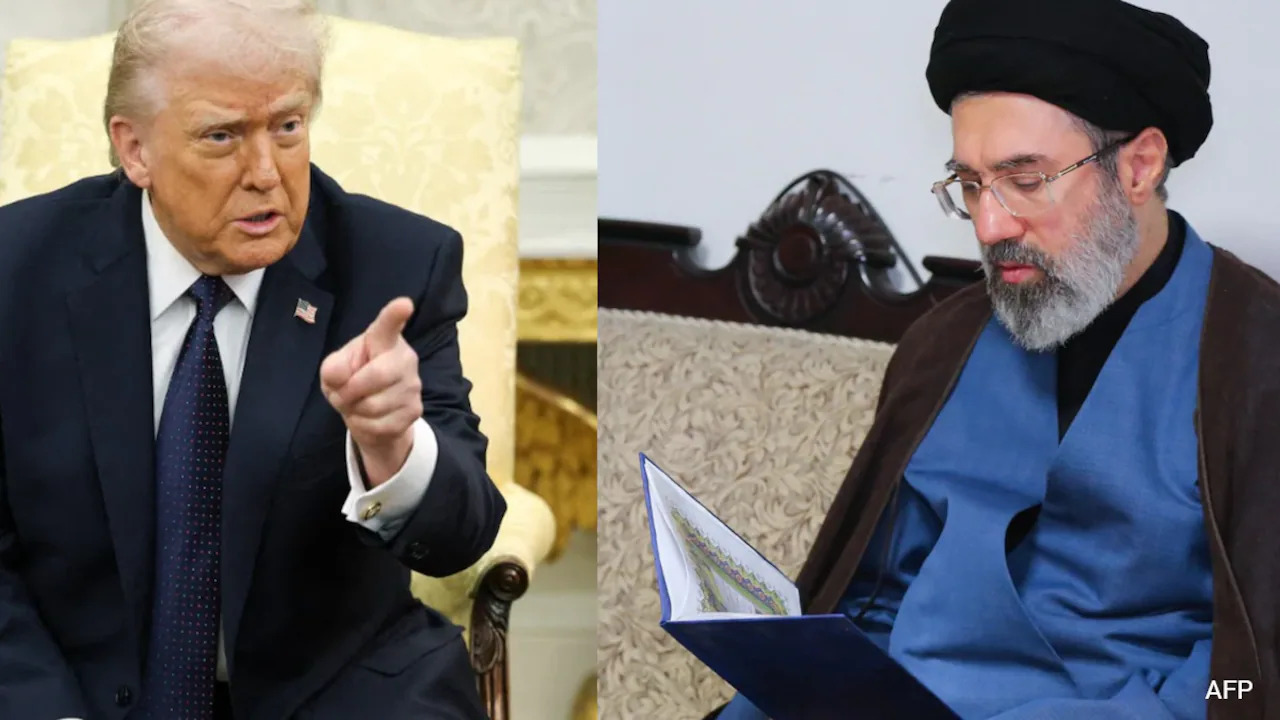
The United States has carried out strikes against Iranian targets in the strategically important Strait of Hormuz, raising fresh concerns over regional security as Washington and Tehran continue indirect negotiations to ease tensions.
A US official said on Monday that the operation targeted Iranian forces allegedly using surface-to-air missiles against American assets. The official spoke on condition of anonymity, describing the attacks as defensive strikes.
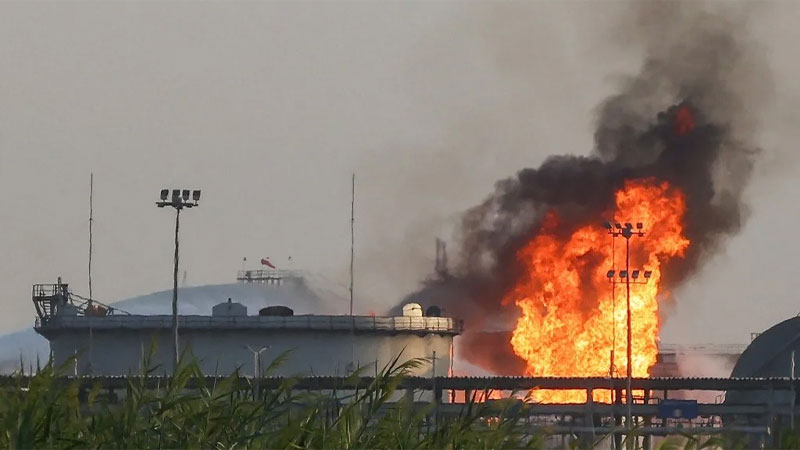
Iranian media, meanwhile, reported five explosions on Qeshm Island, a strategically located island in the Strait of Hormuz. The reports came amid heightened military activity in the waterway, which has become a major flashpoint in the confrontation between the two countries.
US President Donald Trump had indicated only hours earlier that diplomatic efforts were gaining momentum. "Iran wants a settlement, as soon as possible. It could happen!" he wrote on Truth Social.
Vice President JD Vance also expressed optimism, telling reporters that he and Trump felt positive about the prospects of reaching a negotiated settlement with Tehran.
Iranian Foreign Minister Abbas Araghchi confirmed that indirect negotiations were continuing through regional mediators. He said consultations were taking place intensively, with Qatar and Pakistan playing an active role in bringing the two sides closer to an agreement.
According to Euronews, the latest strikes came just ahead of the US midterm elections, as the Republican Party seeks to retain control of Congress. The war has become a contentious political issue in Washington, with growing public concerns over its economic consequences and the impact on fuel prices.
The latest military action has also added uncertainty to diplomatic efforts led by regional players, particularly Qatar and Pakistan, which have been working to prevent a wider confrontation.
The developments have heightened concerns among Gulf countries that further US-Iran hostilities could threaten regional stability, disrupt maritime trade and draw other actors into the conflict. Any escalation could also put additional pressure on countries dependent on energy supplies passing through the Gulf.
The Strait of Hormuz, which separates Iran from Oman and connects the Persian Gulf with the Gulf of Oman, is one of the world's most important energy corridors. Around one-fifth of global oil supplies normally pass through the narrow waterway.
Shipping activity has been severely disrupted since the conflict began in late February, raising concerns over international energy markets, transportation costs and supply chains.
Despite renewed diplomatic contacts, Monday's strikes underline the fragile nature of the situation, with military operations continuing alongside efforts to secure a negotiated settlement.
BOB Post