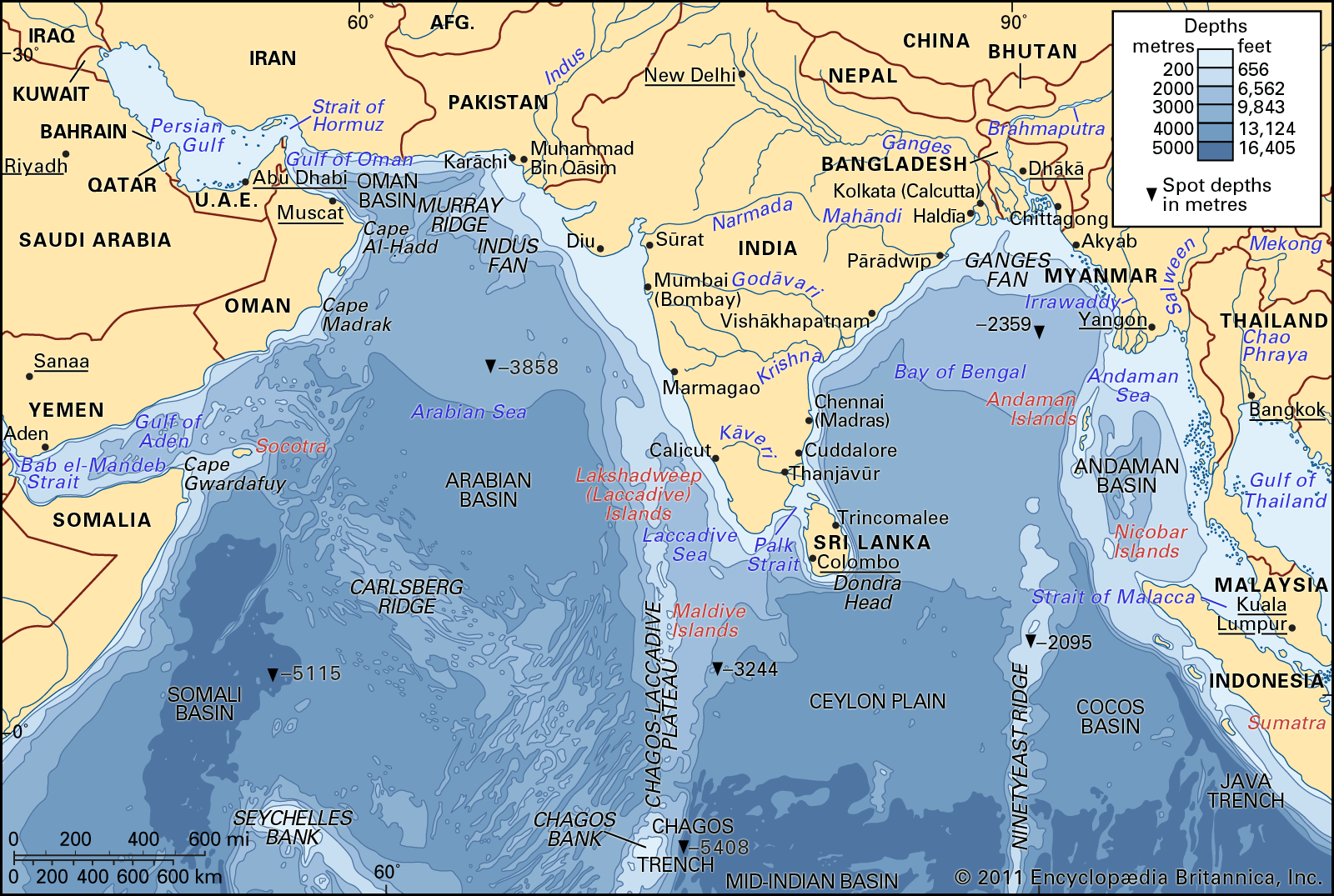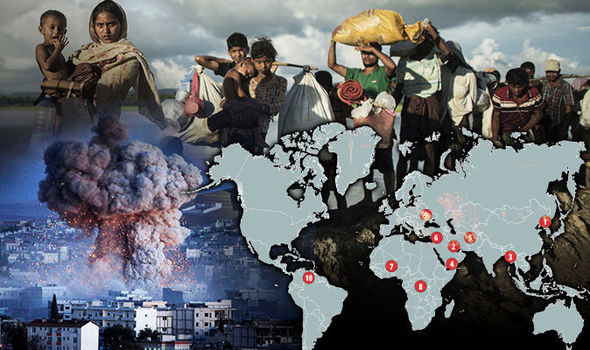
For decades, the Bay of Bengal was viewed primarily as a quiet backwater of the Indian Ocean—a space defined by trade, monsoon rhythms, and vulnerability to natural disasters. Today, that tranquil narrative is rapidly dissolving. As global attention remains fixed on the flashpoints of the South China Sea and the Taiwan Strait, a slower, equally consequential geopolitical storm is gathering in the Bay of Bengal. The convergence of deep-sea resource competition, expanding military footprints, and non-traditional security threats is converting these waters into Asia's next theater of naval contestation (Dhawan, 2024; Gateway House, 2018).
At the heart of this shift lies an appetite for energy and economic survival. The seabed beneath the Bay of Bengal holds rich reserves of natural gas and oil, alongside vital marine resources critical for coastal populations. Although major legal milestones—such as the International Tribunal for the Law of the Sea (ITLOS) rulings between Bangladesh, Myanmar, and India—resolved formal Exclusive Economic Zone (EEZ) boundary lines over a decade ago (International Tribunal for the Law of the Sea— ITLOS 2012), the peace they promised remains fragile. As coastal nations double down on their "blue economy" ambitions, grey-zone disputes over illegal, unreported, and unregulated (IUU) fishing, offshore exploration rights, and seabed mapping are intensifying. In maritime domain dynamics, resource anxiety frequently serves as the spark for broader military posturing.
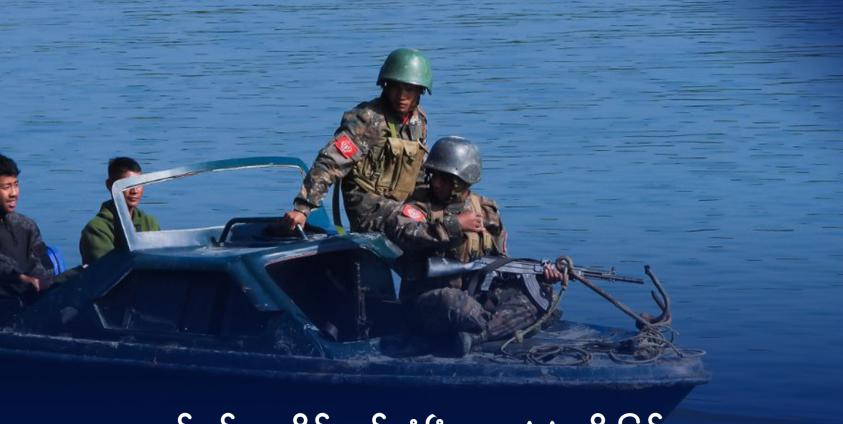
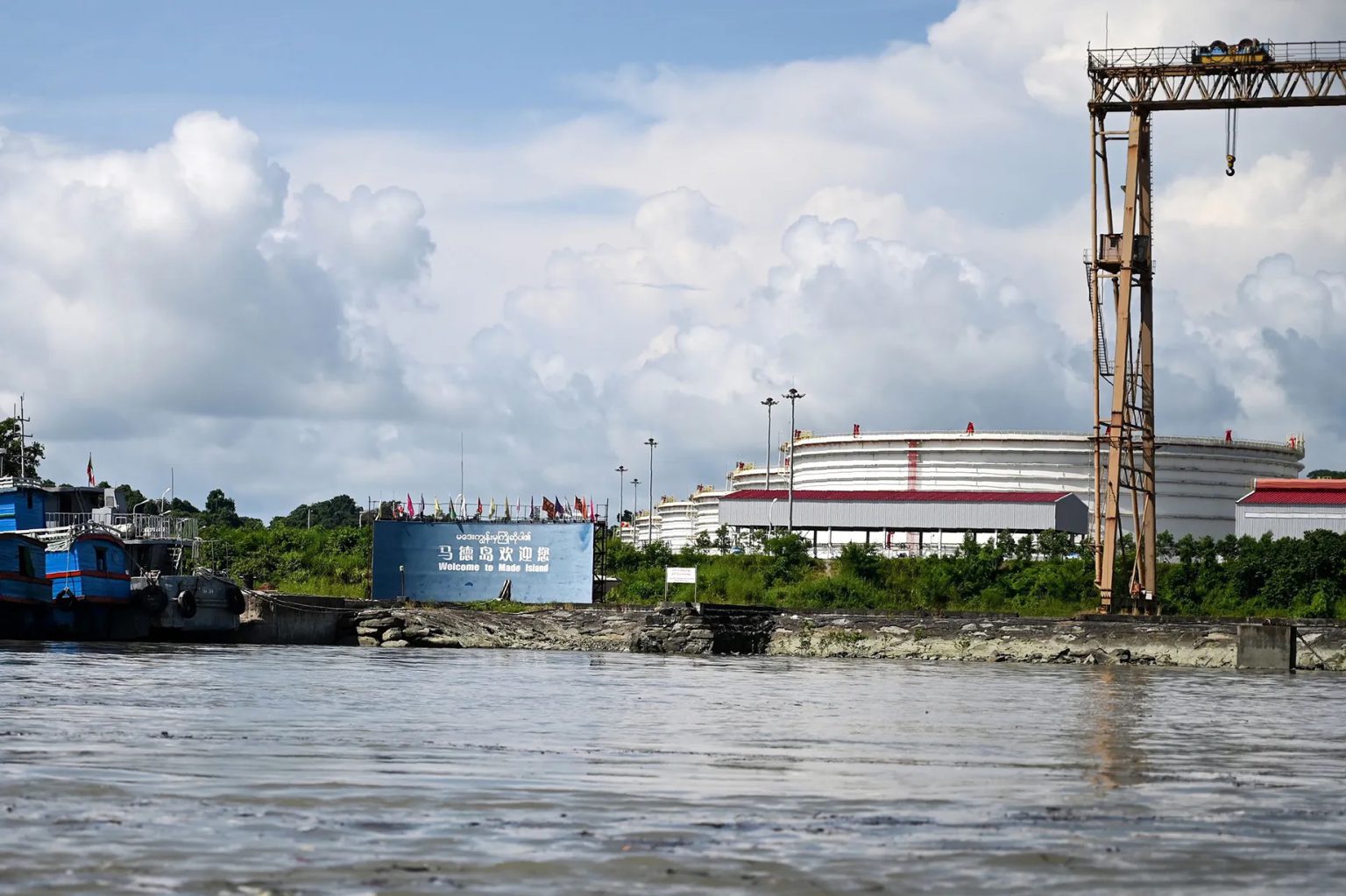
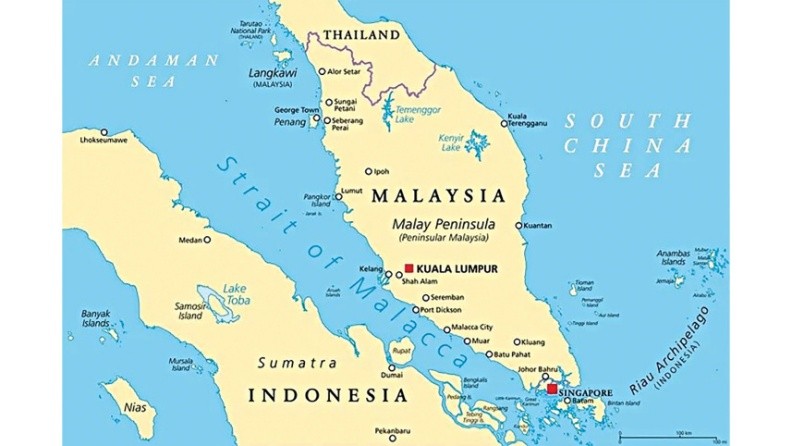
Crucially, the Bay of Bengal has evolved into a strategic crossroads connecting the Indian Ocean to the Malacca Strait. For China, securing maritime access through Myanmar and Bangladesh offers a critical bypass around the vulnerable Malacca bottleneck, securing energy imports from the Middle East. Beijing’s investments in dual-use deep-water ports—such as Kyaukphyu in Myanmar—and its naval submarine sales to regional nations have raised alarms in New Delhi (Chauhan, 2018; Observer Research Foundation, 2026). India considers the Bay of Bengal its natural strategic backyard, expanding its own naval presence via the Andaman and Nicobar Command and stepping up defense partnerships with regional littoral states. When major powers view the same body of water through the dual lenses of encirclement and containment, militarization is the inevitable result.
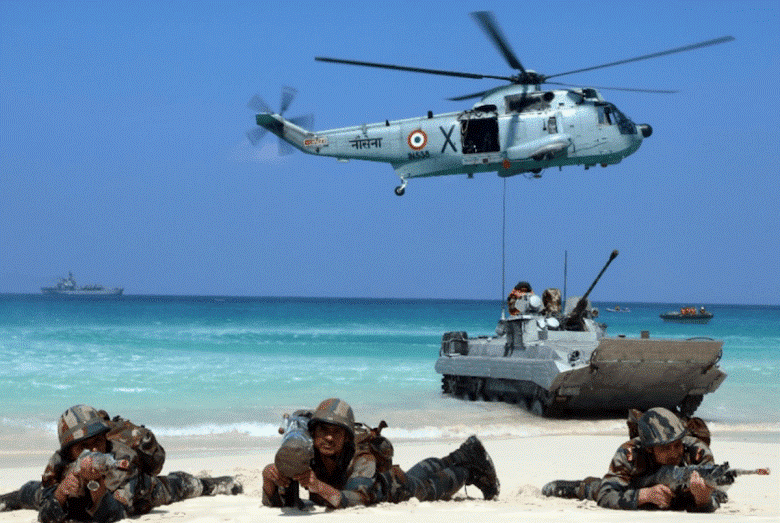
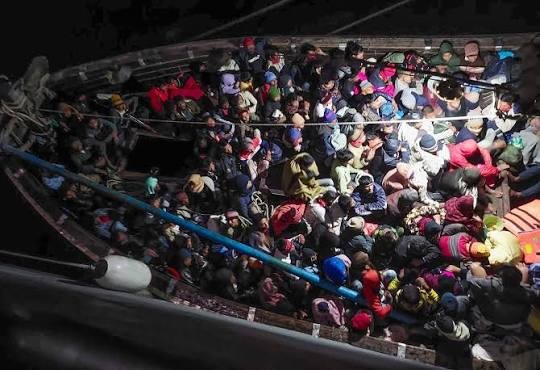
This naval build-up is further complicated by severe non-traditional security caThe Bay of Bengal is ground zero for climate change, martalysts. ked by intensifying cyclones, sea-level rise, and shifting fish stock migrations. As climate pressures force fishing fleets deeper into disputed or foreign waters, routine law enforcement encounters risk escalating into diplomatic—or military—standoffs. Moreover, persistent political instability in key littoral states creates lawless corridors where maritime piracy, arms smuggling, and human trafficking thrive, drawing armed naval responses into proximity with one another.
A future conflict in the Bay of Bengal will likely not begin with a formal declaration of war or direct naval broadsides. Instead, it will start with a grey-zone incident: a collision between coast guard cutters over a gas exploration vessel, a militarized response to a fishing enforcement standoff, or an unidentified submarine tracking exercise gone wrong.

To prevent this fragile ecosystem from fracturing into conflict, regional actors must act before militarization becomes irreversible and evolve beyond trade talk to build robust maritime domain awareness (MDA) sharing, joint coast guard communications, and crisis-de-escalation protocols.
The Bay of Bengal cannot afford to become the next South China Sea. If regional and major powers fail to establish rules-based maritime governance today, the quiet waters of the Bay will soon become the center of Asia's next major crisis.
Author : Peace and Development Observer