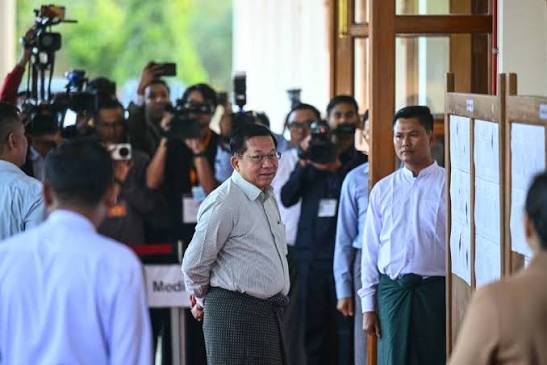
Myanmar's military-appointed election commission has announced by-elections for April 4 next year to fill 55 vacant parliamentary seats, including constituencies in regions where fighting between the military and resistance forces remains intense.
The announcement, carried by state-run Global New Light of Myanmar on Friday, comes after a controversial general election in December and January that handed an overwhelming victory to the military-backed Union Solidarity and Development Party (USDP).
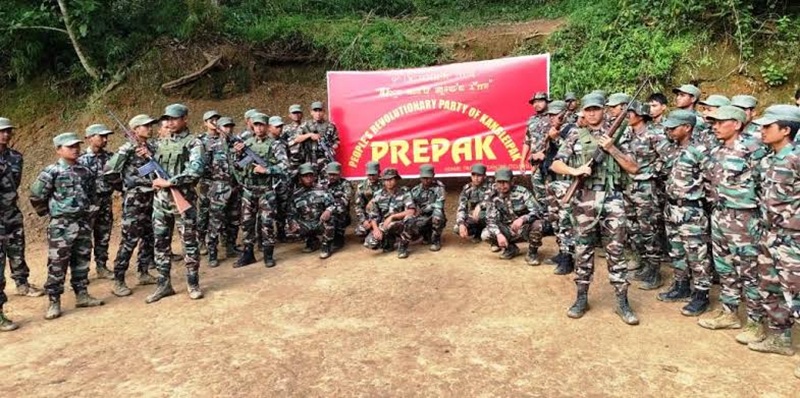
The latest electoral exercise is expected to cover several townships in Sagaing Region and Chin and Shan states, where anti-military resistance groups maintain a strong presence. However, the military has not included Rakhine State, where its forces are engaged in fierce fighting with the Arakan Army (AA).
According to the New Straits Times, the by-elections will take place in 55 constituencies, following a general election in which voting was conducted in 692 constituencies. Another 121 constituencies were excluded because they were outside the military's control.
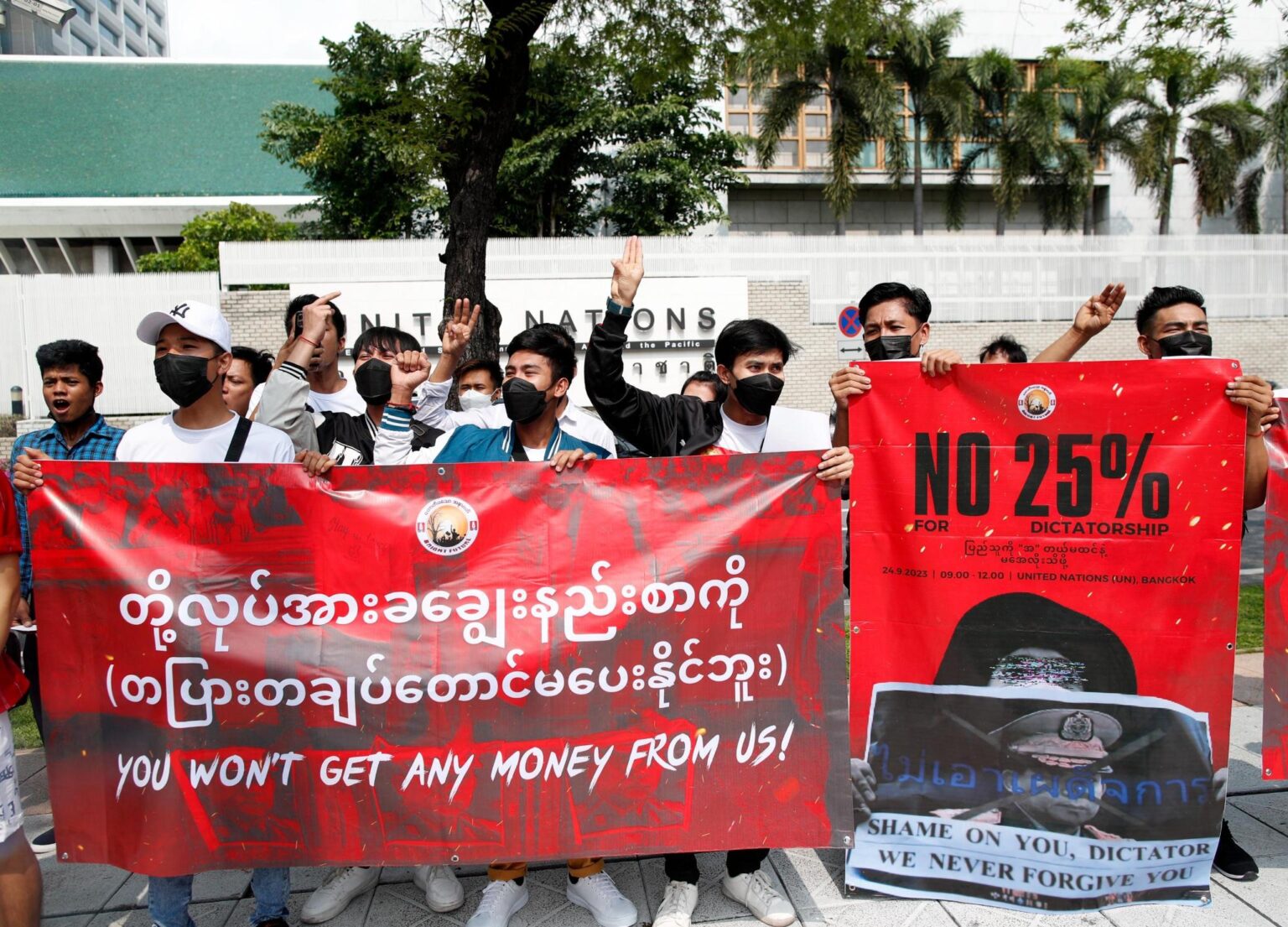
The December-January election was widely rejected by the United Nations and several Western governments, which questioned its credibility and the absence of meaningful political competition. Major opposition forces were excluded or unable to participate, leaving the USDP with around 84 percent of seats in the country's bicameral parliament.
The election also paved the way for coup leader Min Aung Hlaing to assume the presidency, further consolidating the military's grip on state institutions.
Myanmar has remained in deep political and security turmoil since the military seized power in February 2021, overthrowing the elected government and triggering a nationwide armed resistance. The ensuing conflict has killed an estimated 100,000 people and displaced more than 3.5 million, while large parts of the country remain beyond the military's control.
The exclusion of Rakhine State from the by-election is particularly significant for neighbouring Bangladesh, which continues to host more than a million Rohingya refugees who fled military persecution in Myanmar.
The Arakan Army now controls much of Rakhine State, while fighting with the military continues in several areas. The absence of Rakhine from the electoral process underscores the extent to which Myanmar's territorial fragmentation and ongoing conflict continue to undermine the military's claims of political normalization.
BOB Post