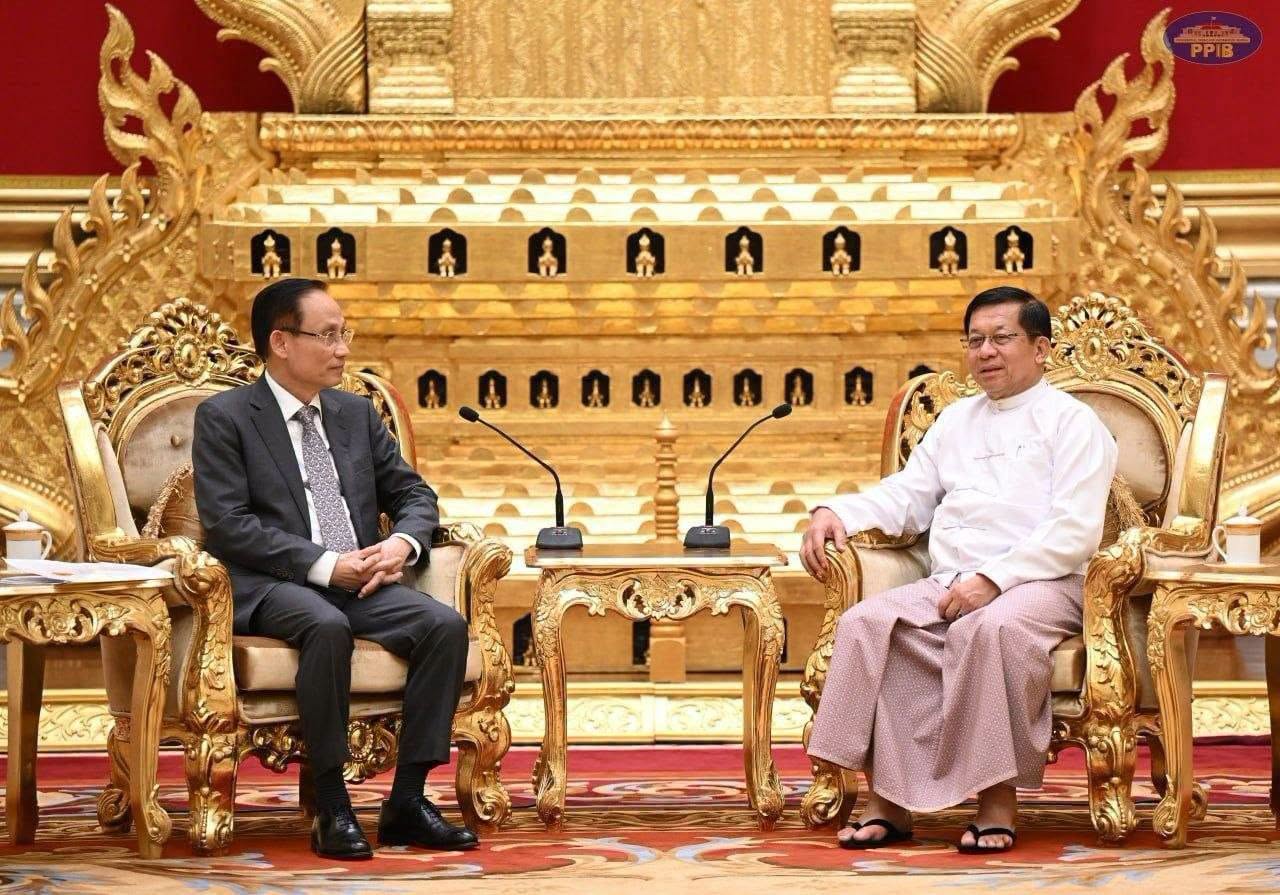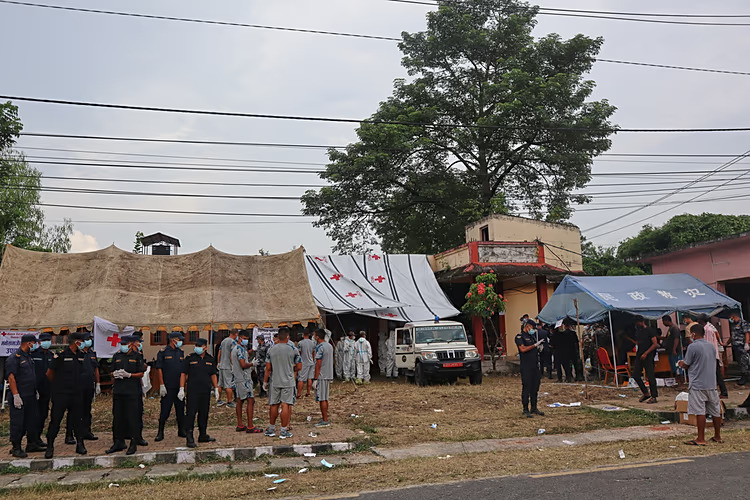
A sharp exchange over a recent paper by researcher Ronan Lee has intensified debate over the Arakan Army's (AA) treatment of the Rohingya and the nature of governance emerging in Myanmar's Rakhine (Arakan) State.
The controversy escalated after the Global Arakan Network (GAN) published a June 10 rebuttal titled "A Dangerous Misreading of Arakan Politics: How Mr. Ronan Lee Ignores Both History and Reality," accusing Lee of distorting Arakan's political realities and drawing flawed comparisons between the AA and Myanmar's military regime.
Critics, however, argue that GAN's response mirrors tactics long employed by Myanmar's military authorities when confronted with allegations of human rights abuses. They point to similarities between the statements of AA spokesperson Khaing Thukha and those previously used by junta spokespersons to dismiss or downplay accusations.
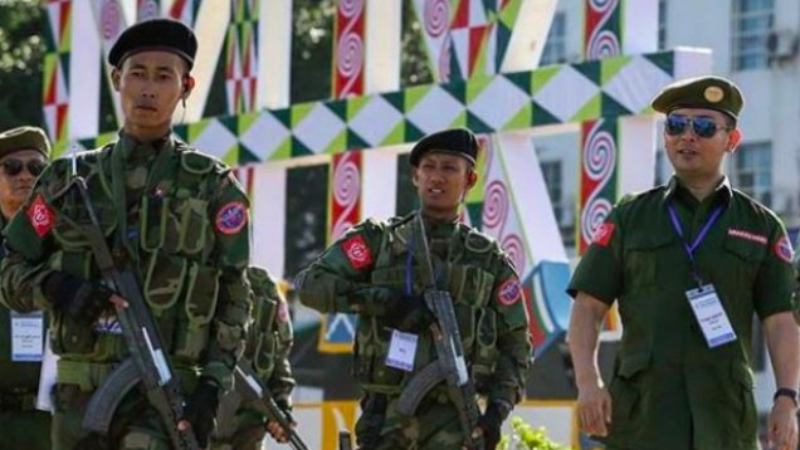
Observers also criticize GAN's continued avoidance of the term "Rohingya," instead referring to the community as "Muslims," a practice many rights advocates view as denying the group's ethnic identity.
The AA continues to face allegations of restricting Rohingya movement, political participation, education, and economic activities, as well as accusations of forced displacement and land confiscation. Critics say hundreds of testimonies from victims and displaced residents support concerns that such practices resemble policies previously associated with Myanmar's military.
GAN's claim that there has been no ethnic conflict under the United League of Arakan (ULA) administration has also been challenged. Critics argue that the absence of open conflict cannot be separated from the large-scale displacement of Rohingya communities from northern Arakan.
The group's comparison of the ULA's governance model to Singapore has likewise drawn skepticism. Analysts contend that lasting peace and coexistence can only be achieved through inclusive governance and meaningful engagement with all ethnic communities, including the Rohingya.
As international attention on Arakan grows, the debate increasingly centers on questions of accountability, ethnic inclusion, and whether the AA's rule represents a genuine alternative to Myanmar's military or risks replicating some of its most controversial practices.
BOB Post