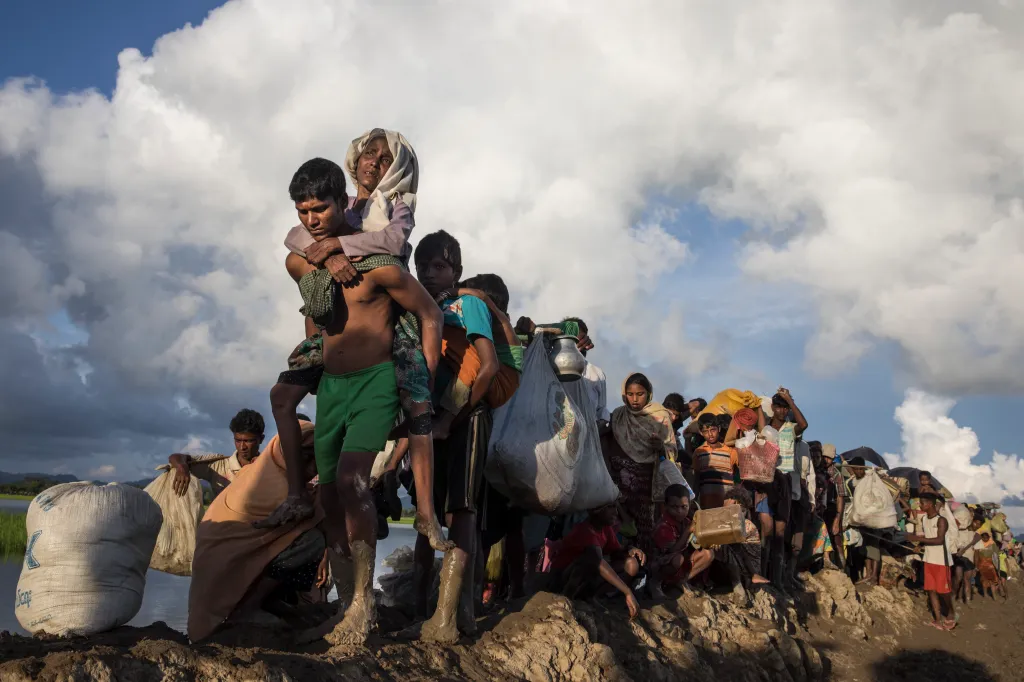
The Rohingya crisis is no longer only a humanitarian tragedy; it has become a major geopolitical issue in South and Southeast Asia. Since hundreds of thousands of Rohingya fled violence in Myanmar in 2017, the crisis has reshaped regional diplomacy, strained Bangladesh’s resources, and exposed divisions among global powers over how to respond. Nearly a decade later, the question of their future remains unresolved.
Roots of the Crisis
The Rohingya are a Muslim ethnic minority from Myanmar’s Rakhine State. Despite living in the region for generations, they were denied citizenship under Myanmar’s 1982 Citizenship Law, leaving them effectively stateless. Over the years, they have faced severe restrictions on movement, education, and employment, along with periodic outbreaks of violence.
The crisis escalated in August 2017 when Myanmar’s military launched a large-scale crackdown following attacks by the Arakan Rohingya Salvation Army (ARSA). The military campaign led to widespread allegations of ethnic cleansing, including killings, sexual violence, and the burning of villages. More than 700,000 Rohingya fled to neighboring Bangladesh, creating one of the world’s largest refugee crises.

Bangladesh on the Frontline
Bangladesh now hosts over one million Rohingya refugees, most of whom live in camps in Cox’s Bazar. Initially, the country adopted a humanitarian approach by opening its borders to fleeing civilians. However, the prolonged presence of such a large refugee population has created significant economic, environmental, and security pressures.
Local resources and infrastructure have been strained, while environmental degradation has intensified due to deforestation and population pressure. Security concerns, including human trafficking and criminal networks, have also emerged. Despite diplomatic efforts by Bangladesh to facilitate repatriation, progress remains limited due to the lack of guarantees for Rohingya safety and citizenship in Myanmar.
Regional Power Politics
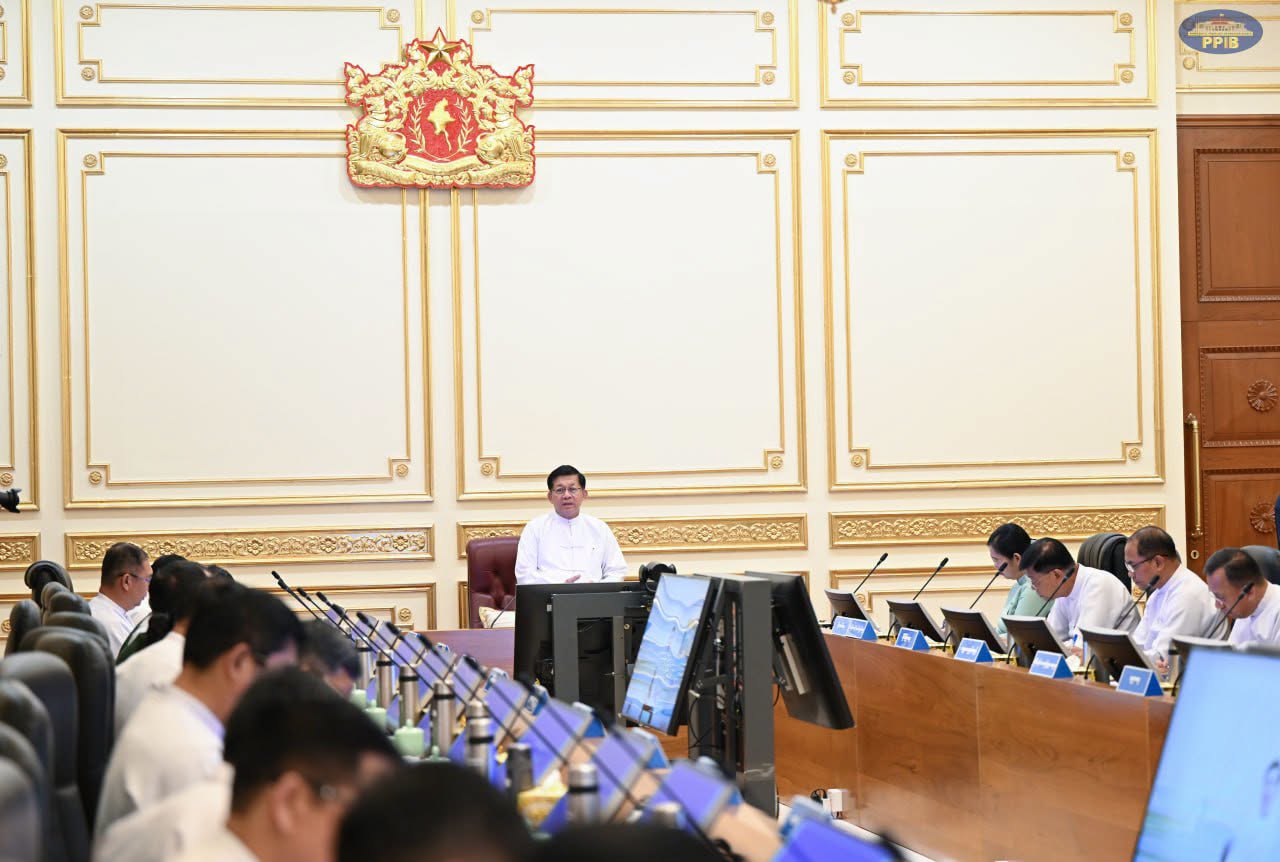
The crisis has also highlighted the strategic interests of regional powers. China maintains close economic and political ties with Myanmar, viewing it as a key partner in its Belt and Road Initiative and as a strategic route to the Indian Ocean. As a result, Beijing has generally favored diplomatic engagement rather than strong international pressure on Myanmar.
India has adopted a similarly cautious approach. Myanmar plays an important role in India’s “Act East” policy and is seen as a strategic partner in balancing China’s influence in the region. While India has provided humanitarian assistance, it has largely avoided direct criticism of Myanmar’s government.
International and Security Implications
The Rohingya crisis has drawn global attention through legal and diplomatic channels. In 2019, The Gambia filed a case against Myanmar at the International Court of Justice, accusing it of violating the Genocide Convention. The United Nations has also called for accountability and safe repatriation, though divisions within the UN Security Council have limited stronger action.
The crisis has also created broader security concerns. Irregular migration across the Bay of Bengal and the Andaman Sea has increased as refugees attempt dangerous journeys to Southeast Asian countries. Meanwhile, prolonged statelessness and marginalization remain long-term challenges for regional stability.
An Uncertain Future
Prospects for resolving the crisis have become even more complicated following Myanmar’s military coup in 2021. Political instability in the country has stalled repatriation efforts and weakened international diplomatic initiatives.
For Bangladesh, the challenge remains balancing humanitarian responsibilities with growing economic and security pressures. Without addressing the root causes of statelessness and discrimination in Myanmar, the Rohingya crisis will continue to shape regional geopolitics and test the international community’s commitment to human rights and refugee protection.
Contributor: Mamun Mozumder
Peace and Development Observer