Bangladesh has reaffirmed its commitment to building inclusive, affordable and climate-resilient cities, presenting planned urbanisation as a central pillar of its long-term development strategy during a high-level United Nations meeting reviewing progress on the New Urban Agenda.
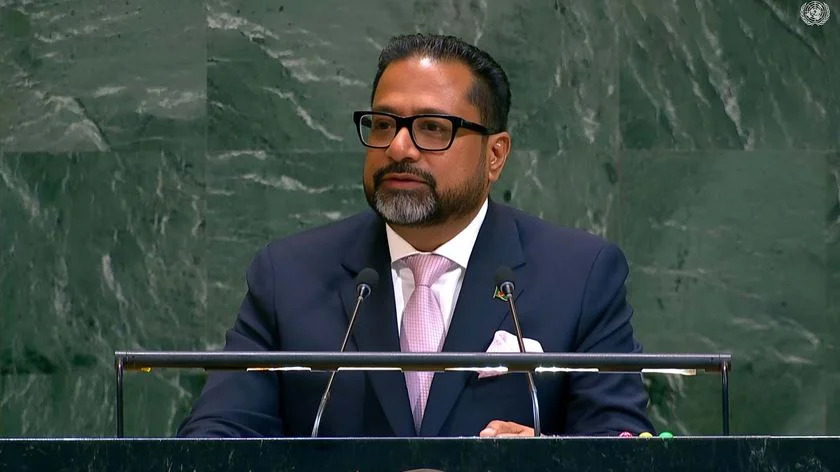
Addressing the High-Level Meeting on the Midterm Review of the New Urban Agenda at the UN Headquarters in New York, State Minister for Housing and Public Works Ahammad Sohel Monzoor said planned urban growth is essential for strengthening economic development, promoting social inclusion and improving resilience to climate change.
According to Bangladesh Sangbad Sangstha (BSS), the state minister delivered Bangladesh's national statement at the meeting, where he outlined the country's urban development priorities and reaffirmed its commitment to implementing the New Urban Agenda alongside the Sustainable Development Goals (SDGs).
Highlighting the government's development vision under Prime Minister Tarique Rahman's "Bangladesh First" policy, Monzoor said priority has been given to expanding affordable housing, strengthening local government institutions and investing in sustainable urban infrastructure to ensure more balanced and resilient urban growth.
He also underscored the importance of integrated spatial planning, digital land management, innovative urban financing and balanced regional development, describing them as key components of Bangladesh's future urban strategy aimed at addressing rapid urbanisation while reducing regional disparities.
Calling for stronger international cooperation, the state minister urged the global community to expand technology transfer, enhance capacity building and increase innovative financing mechanisms to help countries accelerate sustainable urban development.
"Sustainable urban development should build a future where no people and no region are left behind," Monzoor said, reiterating Bangladesh's support for collaborative global efforts to create more inclusive and resilient cities.
BOB post