Bangladesh will launch its first surveillance study to detect drug-resistant malaria strains in Rohingya refugee camps near the Myanmar border, a step health experts say is vital to protect the country’s progress toward eliminating the disease.
The study will be conducted by the International Centre for Diarrhoeal Disease Research, Bangladesh, in partnership with the National Malaria Elimination Programme under the Directorate General of Health Services and development organization BRAC.
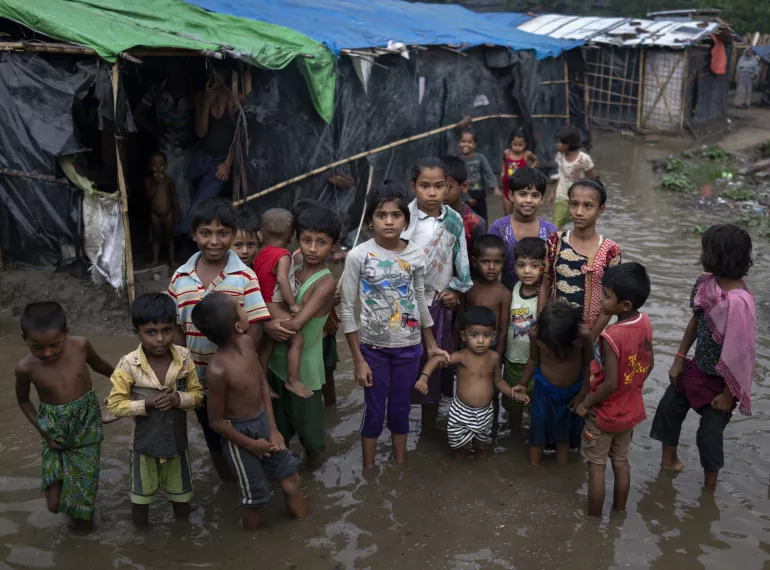
Researchers will analyze blood samples from malaria patients in Rohingya settlements in Cox’s Bazar, where more than 1.18 million refugees from Myanmar have lived since fleeing violence in 2017.
The study will look for genetic mutations in malaria parasites that indicate resistance to artemisinin-based combination therapy, the most widely used treatment for malaria. Drug-resistant strains have already been reported in parts of Southeast Asia, including Myanmar.
Health experts warn that the densely populated refugee camps and cross-border movement increase the risk of new parasite strains entering Bangladesh. Recent monitoring by BRAC also shows malaria cases in the camps have risen, with 291 infections recorded in 2021.
Patient enrolment for the project, funded by Global Affairs Canada, is expected to begin in April. Bangladesh aims to eliminate local malaria transmission by 2030 under its national malaria elimination strategy.
BOB Post