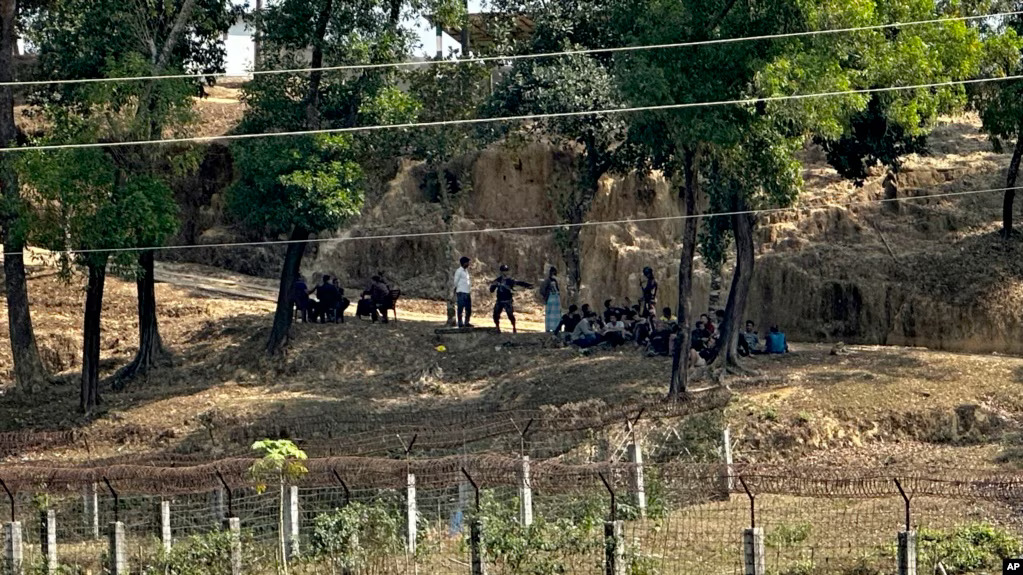
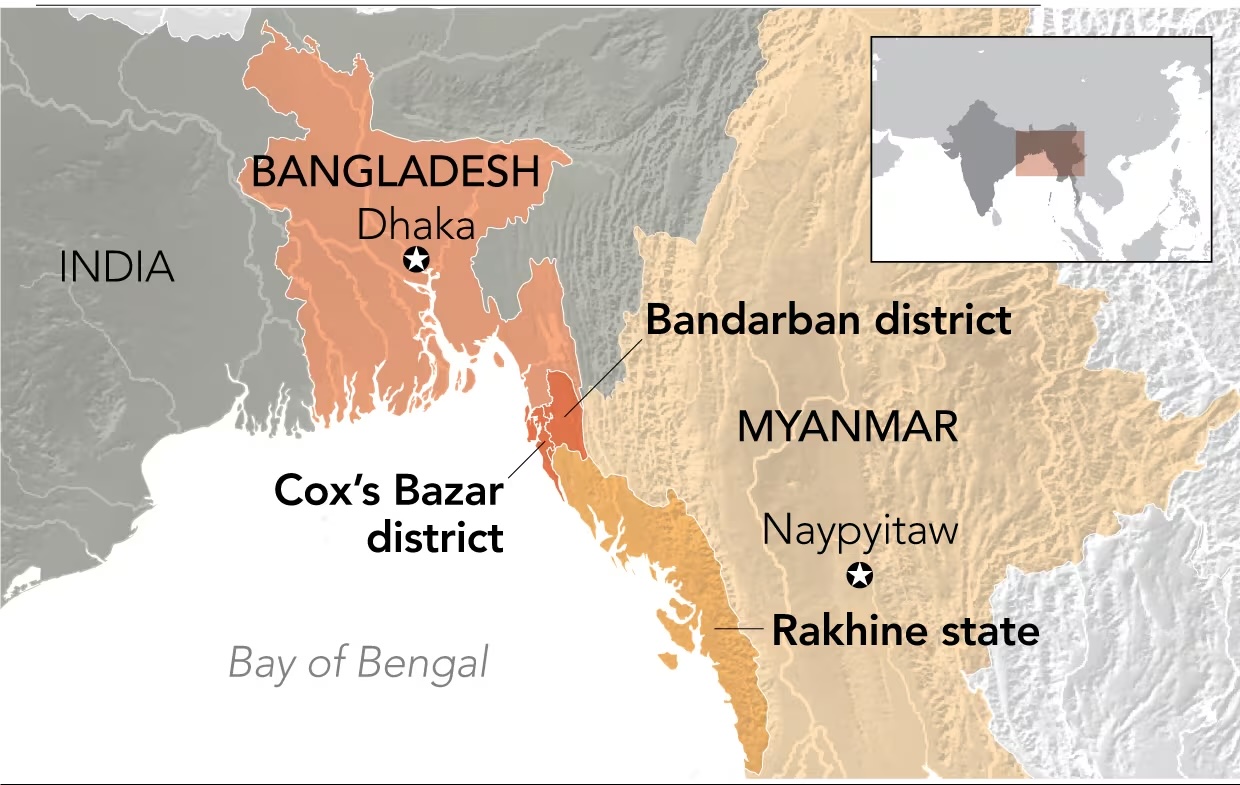
Bangladesh is set to build a 108-kilometre barbed-wire fence along vulnerable sections of its border with Myanmar in a major shift in border security policy, as authorities seek to address growing security risks linked to the conflict in Myanmar's Rakhine State.
The planned fencing will cover selected stretches of the 271-kilometre Bangladesh-Myanmar border and is intended to curb illegal crossings, cross-border crime and smuggling. It would be the first time Bangladesh has constructed a permanent border fence along any of its international frontiers.
The decision comes as the Arakan Army has established control over most of Rakhine State, fundamentally altering the security situation along Bangladesh's southeastern border. Officials say the changing dynamics have increased concerns over illegal migration, trafficking of arms and narcotics, and other transnational crimes.
Home Minister Salahuddin Ahmed recently told Parliament that the project is aimed at preventing unauthorized infiltration and strengthening border security. The Border Guard Bangladesh (BGB) has identified around 108 kilometres of high-risk areas for the initial phase, though the exact locations have not been disclosed for security reasons.
Border authorities say the fence will complement broader security measures to disrupt networks involved in human trafficking, drug smuggling, arms trafficking and other illegal activities that have become more challenging to control amid the absence of effective state authority on the Myanmar side.
Security analysts say the deteriorating situation across the border has created new operational challenges for Bangladesh. Former defence officials have warned that the instability has facilitated the movement of illegal weapons and narcotics while also raising concerns about individuals crossing into conflict zones to join armed groups.
Experts have suggested prioritising the construction of fencing along the Naf River, long regarded as one of the region's most active routes for cross-border trafficking, before expanding the project to the mountainous border areas of Bandarban.
The Bangladesh Coast Guard says the security environment has changed significantly since the Arakan Army took control of Maungdaw in late 2024. Despite Bangladesh maintaining formal diplomatic relations with Myanmar's military government, large parts of the adjacent border are no longer under the effective control of the central authorities.
Officials say the changing situation has contributed to increased incidents of cross-border smuggling, kidnappings of Bangladeshi fishermen, risks of renewed Rohingya movements, and dangers posed by landmines and unexploded ordnance near the frontier.
According to BGB data, more than 426 Bangladeshi fishermen have been detained in the Naf River and the Bay of Bengal since the Arakan Army expanded its control along the border. While 324 have since been released and returned to Bangladesh, dozens remain in captivity.
Security observers say the planned border fence reflects Bangladesh's effort to adapt to a rapidly evolving security landscape, balancing national security concerns with the humanitarian and diplomatic complexities surrounding the Myanmar conflict.
BOB Post