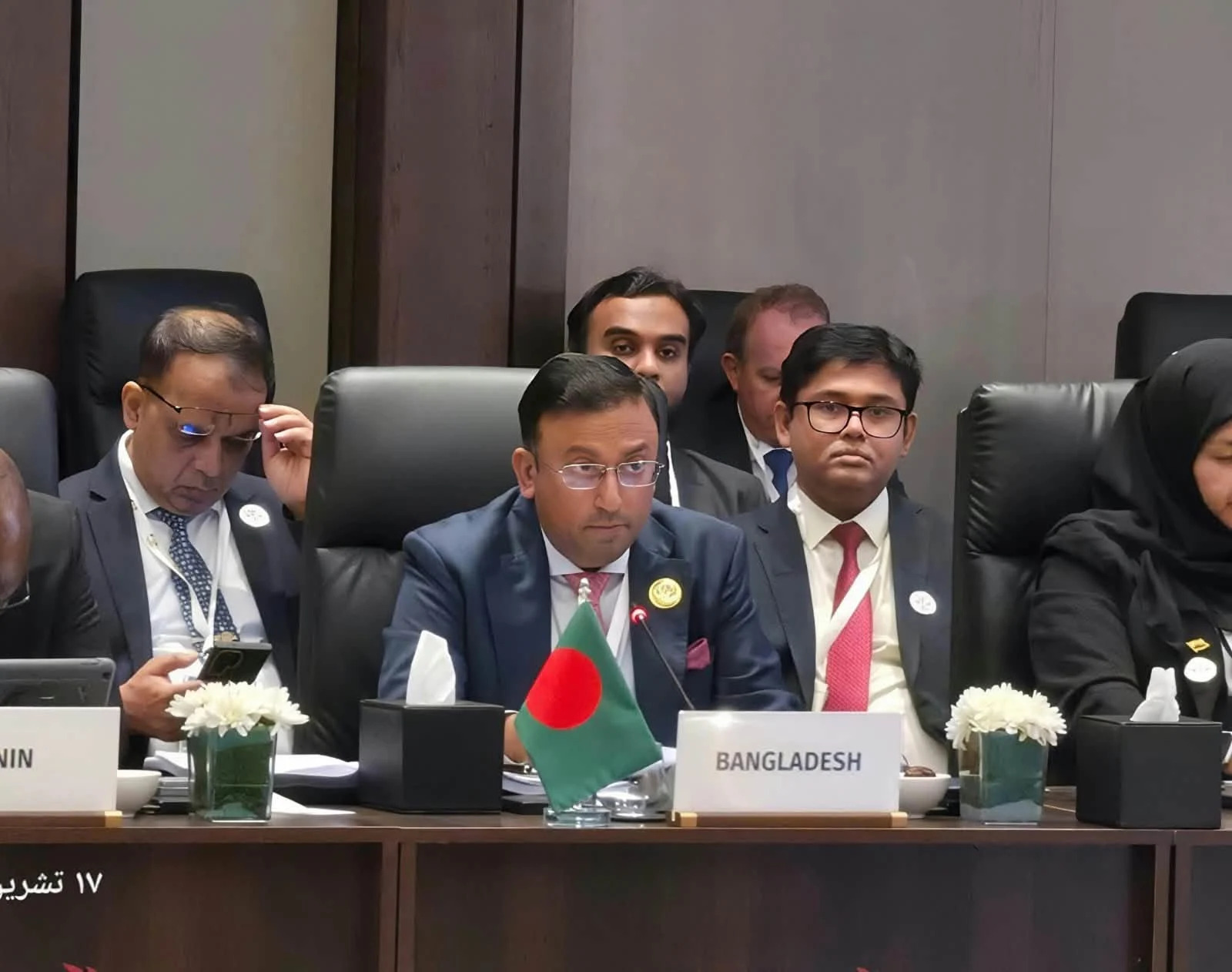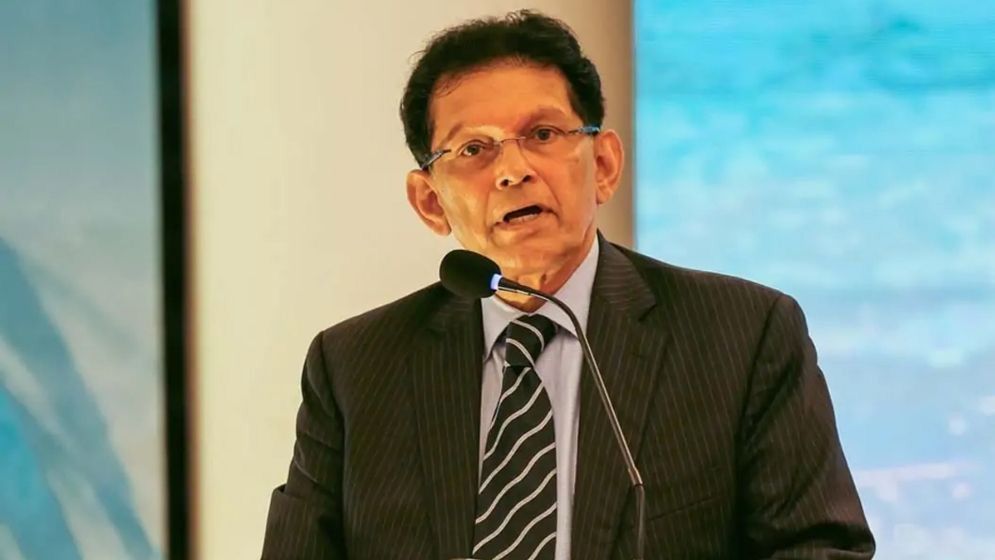
Bangladesh will take necessary measures if any “push-in” incidents occur along the border in the wake of a potential change in power in India’s West Bengal state, Foreign Minister Dr. Khalilur Rahman said on Tuesday.
He made the remarks after a meeting with a visiting United States delegation at the State Guest House in Dhaka.
The minister stressed that Bangladesh would not allow political developments in a neighboring Indian state to negatively impact its internal stability. “Relevant forces remain on high alert to ensure border security,” he said, adding that the government is prepared to respond firmly to any irregular cross-border movements.
On the long-pending Teesta water-sharing agreement, Rahman said its implementation ultimately depends on India. “Whether the agreement will be concluded under a new West Bengal government is entirely New Delhi’s decision,” he noted, while expressing hope that India would consider Bangladesh’s longstanding expectations with due importance.
Bangladesh has been awaiting a resolution to the Teesta issue for years, as it remains critical for agriculture and economic stability in the country’s northern regions. The minister reiterated Dhaka’s commitment to strengthening bilateral relations and regional cooperation, maintaining a constructive approach in engagements with India.
According to Jamuna TV sources, the issue of border management and the possibility of increased migration pressure were also discussed in policy circles, with authorities emphasizing coordinated vigilance to prevent any unexpected developments along the frontier.
The foreign minister also revealed that Prime Minister Tareq Rahman may undertake an official visit to either China or India in June, a move seen as strategically significant for Bangladesh’s foreign relations. In particular, a potential China visit could include in-depth discussions on the Teesta mega project, where Beijing’s technical and financial support is expected to be a key agenda item.
Highlighting the importance of the Teesta-centric development initiative, Rahman said the project aims to protect agriculture and boost economic growth in northern Bangladesh, with international cooperation playing a vital role.
Regarding the meeting with the US delegation, the minister described the discussions as “productive,” covering trade, security, human rights, and other areas of mutual interest. He said Washington has shown interest in deepening ties with Dhaka and reaffirmed its willingness to remain a partner in Bangladesh’s ongoing development journey.
The minister’s remarks underscore Bangladesh’s intention to pursue a balanced and pragmatic foreign policy amid evolving regional and global dynamics, prioritizing border security while advancing development through international partnerships.
BOB Post