In a sit-rep and strategy conference held in Dhaka this past February, Sudeep Chakravarti, a seasoned observer of South Asian geopolitics, made a declaration: “All bets are off in Myanmar.” Present at the conference were a former foreign secretary of Bangladesh and several retired defense services officials. Chakravarti reiterated a comparison he has made several times: the Rohingya are the Palestinians of South Asia. He projected a 15-20 year timeframe for any realistic hope of their resettlement and integration.
This assertion gains renewed urgency as calls for Myanmar to take back the Rohingya gain traction once more. But Chakravarti raises critical questions: “Take them back when? And how? And, precisely where?”
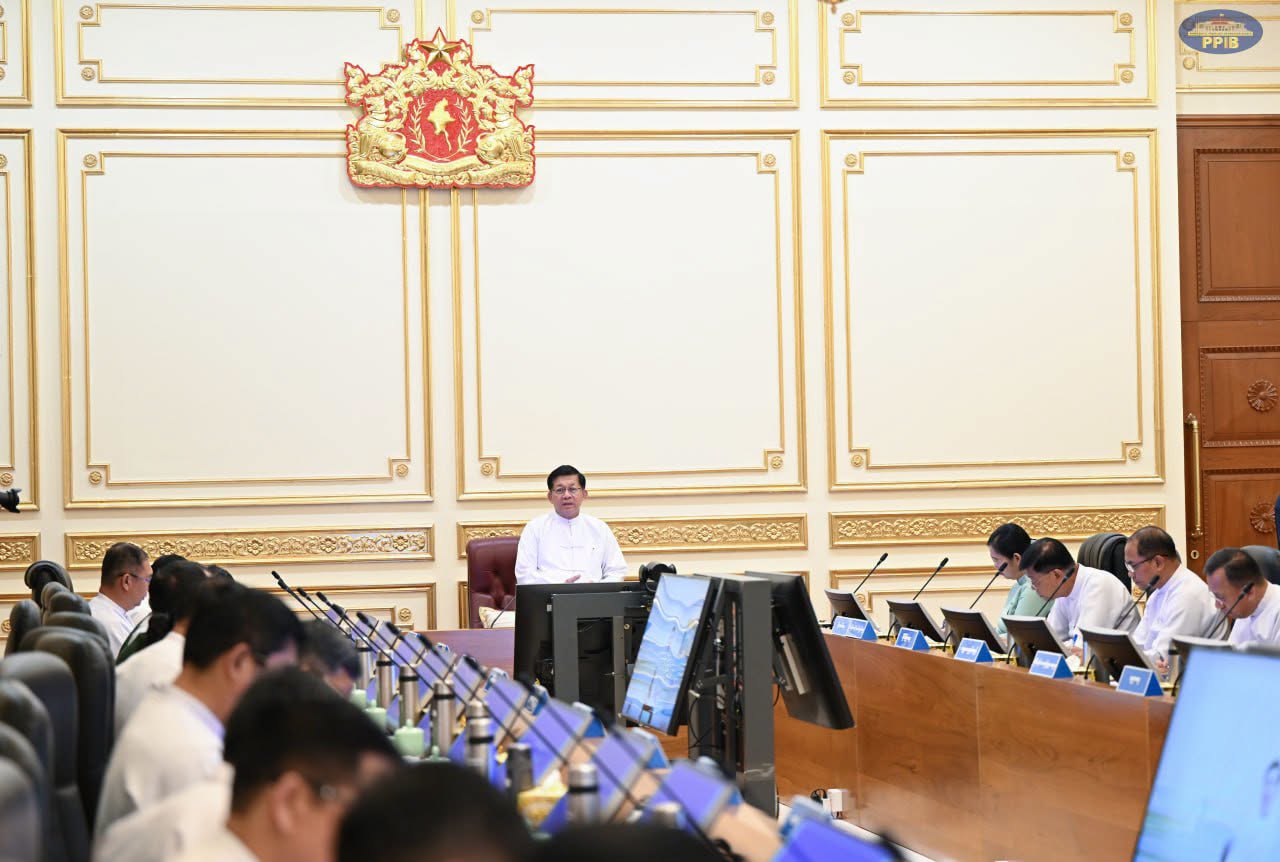
Myanmar, especially its northwestern Chin State and Rakhine State, is engulfed in turmoil. Rebel forces control large swathes of territory, and since the military coup in February 2021, the so-called people’s defense forces (PDFs) have intensified their attacks on the Tatmadaw, Myanmar’s army. The conflict has even led some Myanmar troops, paramilitaries, and police to seek refuge in southern Bangladesh.
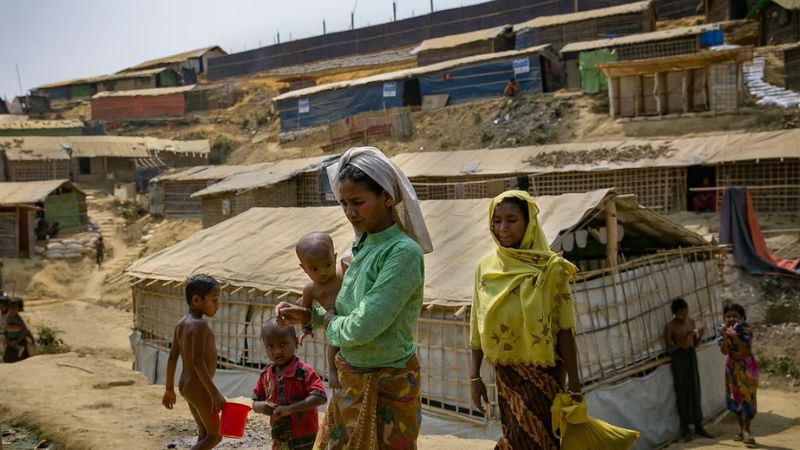
Bangladesh finds itself in a precarious position, sheltering over a million Rohingya refugees while occasionally harboring those fleeing from the regimes accused of persecuting the Rohingya. Similar movements have been observed in Mizoram and Manipur, Indian states bordering Myanmar, but the scale is incomparable to Bangladesh’s situation.
Bangladesh has partially contained the Rohingya refugee problem to the heavily crowded camps in southern Bangladesh and the offshore haven of Bhasan Char, with the help of international assistance. Bangladesh, like other regional players including China, India, and ASEAN nations, is still unsure about how to deal with the crisis's underlying roots despite these attempts.
Chakravarti criticizes media outlets and policymakers who fail to grasp the complexity of the situation. “Myanmar doesn’t really give a damn either about the Rohingya, and, at a stretch, Bangladesh,” he states bluntly. He points out that Bangladesh’s two significant regional influencers, China and India, have been unable to effect change in Myanmar, let alone resolve the Rohingya crisis.
China’s and India’s interests in Myanmar are heavily tied to their strategic and economic projects. The China-Myanmar Economic Corridor, which includes crucial oil and gas pipelines running through Rakhine State, is a major concern for China. Rebel control in the region threatens these energy lifelines. India’s plans for the Kaladan Multi-Modal Transit Transport Project have been similarly disrupted by rebel activities, particularly the fall of Paletwa to the Arakan Army. The Adani Group’s exit from a port project in Sittwe underscores the instability in the region.
Unlike China’s multi-pronged approach, India’s reliance on the Tatmadaw has left it vulnerable as the political landscape shifts. Both nations are now reevaluating their strategies in response to Myanmar’s fragmented state.
Chakravarti argues that achieving stability in Myanmar requires de-escalation of the conflict and power-sharing agreements with ethnic armed groups. This echoes post-independence arrangements that granted various degrees of autonomy to ethnic regions. However, de-escalation also involves demobilizing and de-weaponizing tens of thousands of armed fighters, a daunting task.
Global and regional powers, along with organizations like the United Nations and ASEAN, must oversee these efforts to ensure even a slim chance of stability. But will China allow such intervention in its geopolitical backyard?
Meanwhile, the Rohingya remain sidelined. Chakravarti points out that repatriation is unlikely under current conditions. The Tatmadaw and extremist Buddhist groups have long demonized the Rohingya, stripping them of rights and forcing them out of Myanmar. Even now, the Arakan Army continues to brutalize those who remain.
Without reversing this deep-seated animosity, effective repatriation is impossible. While Bangladesh continues to exert diplomatic pressure, solutions like Bhasan Char might be a temporary feasible option to relieve pressure on mainland camps and provide a semblance of stability for the Rohingya in the foreseeable future.
BOB Post