The United Nations High Commissioner for Refugees (UNHCR) has lauded China's substantial contribution of $1.5 million to enhance hygiene services for Rohingya women and girls in Bangladesh. This aid is set to provide over 250,000 hygiene kits to more than 60,000 women and girls, aged 12 to 50, until 2025. The initiative aims to address critical needs and empower Rohingya women, who face heightened vulnerabilities due to the ongoing refugee crisis.
China's Ongoing Commitment:
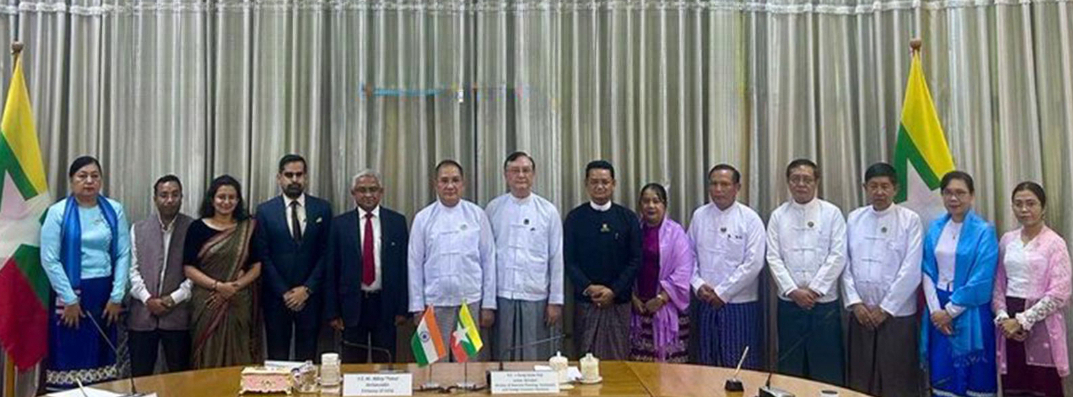
China's generous contribution is part of its consistent support for the Rohingya refugee community in Bangladesh. The $1.5 million grant, facilitated through the China International Development Cooperation Agency (CIDCA), adds to previous initiatives such as infrastructure development, livelihood support, and education. China's commitment reflects a broader international effort to address the Rohingya crisis and provide meaningful support to vulnerable populations.
Empowering Rohingya Women:
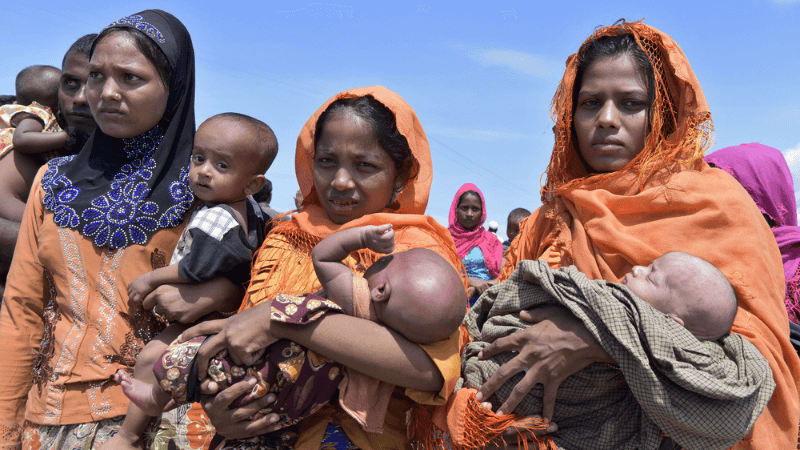
The Rohingya refugee crisis, now in its seventh year, has left over 1 million refugees living in camps in Bangladesh. Women and girls in these camps face particular challenges, including limited access to basic hygiene facilities and essential supplies, heightening their vulnerability to health risks. China's contribution specifically targets this issue by providing hygiene kits, acknowledging the unique needs and challenges faced by Rohingya women and girls.
UNHCR's Strategic Partnership:
UNHCR will collaborate closely with the Bangladesh Red Crescent Society (BDRCS) to ensure the efficient distribution of the hygiene kits. The BDRCS, with its extensive experience working with refugee communities, is well-equipped to manage the logistics, guaranteeing timely and effective delivery of essential supplies.
Impact on Women and Girls:
The provision of hygiene kits is anticipated to have a significant impact on the lives of Rohingya women and girls. The initiative is designed to:
1. Promote Hygiene and Sanitation: Reducing the risk of infectious diseases and improving overall health outcomes within the refugee camps.
2. Enhance Dignity and Well-being: Ensuring that women and girls have access to essential personal care products, contributing to their overall well-being.
3. Empower and Contribute to Livelihoods: Enabling women and girls to participate more actively in community life and income-generating activities.
China's Holistic Approach:
China's multifaceted approach to supporting the Rohingya community aligns with a holistic understanding of the challenges faced by refugees. Previous initiatives in infrastructure, livelihood support, and education demonstrate a commitment to addressing the broader issues affecting the Rohingya population beyond immediate humanitarian needs.
The collaboration between China, UNHCR, and BDRCS highlights the importance of international cooperation in addressing humanitarian crises. As the Rohingya crisis persists, this initiative sets a positive precedent for other countries to follow, emphasizing the significance of concerted efforts to empower and support vulnerable populations. China's commitment to supporting Rohingya women and girls has garnered positive international attention. The UNHCR commended China's timely support, emphasizing its importance amid the prolonged refugee crisis. The positive reception underscores the potential for global collaboration to address complex humanitarian challenges.
BOB Post