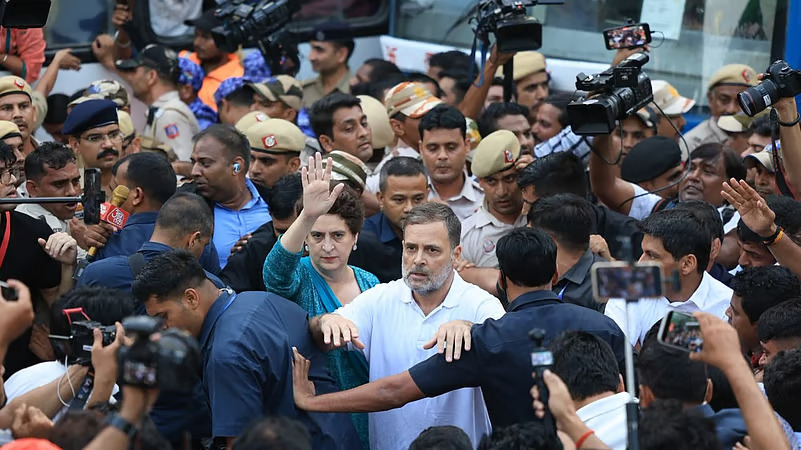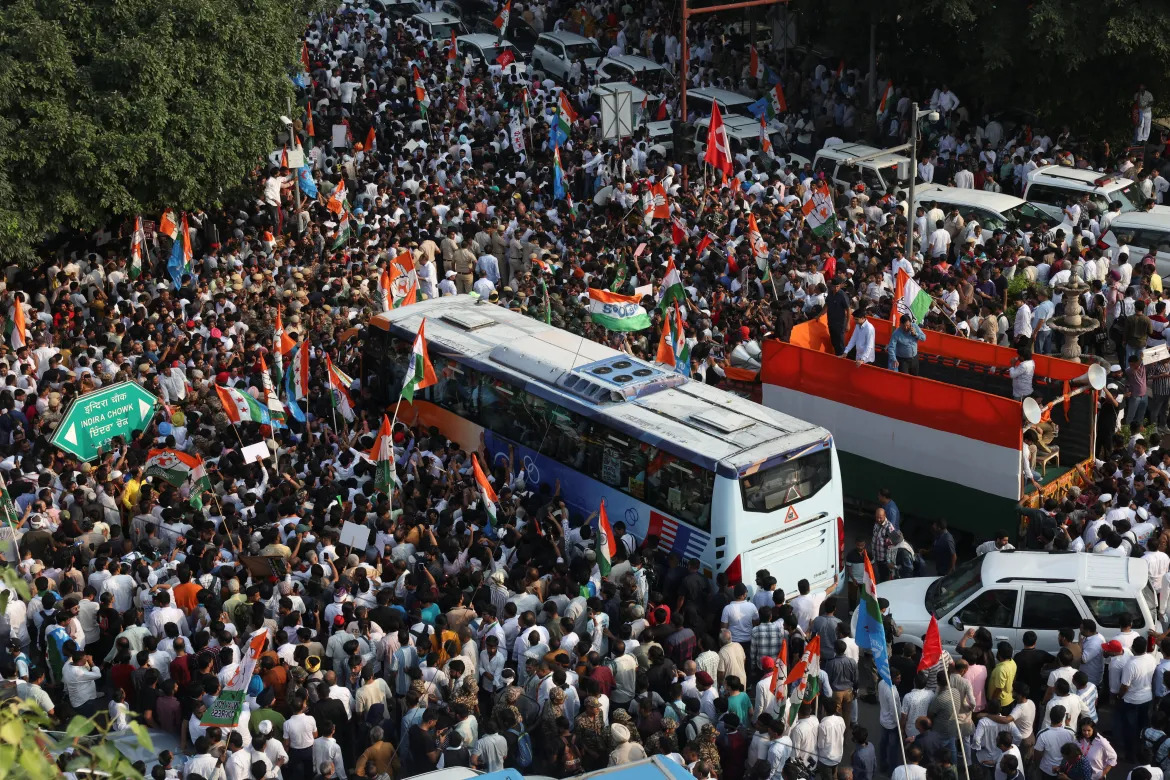
Thousands of protesters took to the streets of New Delhi on Monday, demanding the resignation of Chief Election Commissioner Gyanesh Kumar over allegations of irregularities in a nationwide voter roll revision that has sparked growing political unrest in India.
The demonstrations have brought opposition parties, students and youth activists together in a campaign against the removal of millions of names from electoral lists. Protesters accuse the authorities of undermining voting rights and have called on the government to halt the revision process.
According to Al Jazeera, more than 133 million names have been removed from voter lists since last year, raising concerns about the scale of the exercise in a country where nearly 969 million people were eligible to vote in the 2024 general election. Critics fear the deletions could disproportionately affect minorities, particularly Muslims, and potentially benefit Prime Minister Narendra Modi’s ruling Bharatiya Janata Party (BJP).
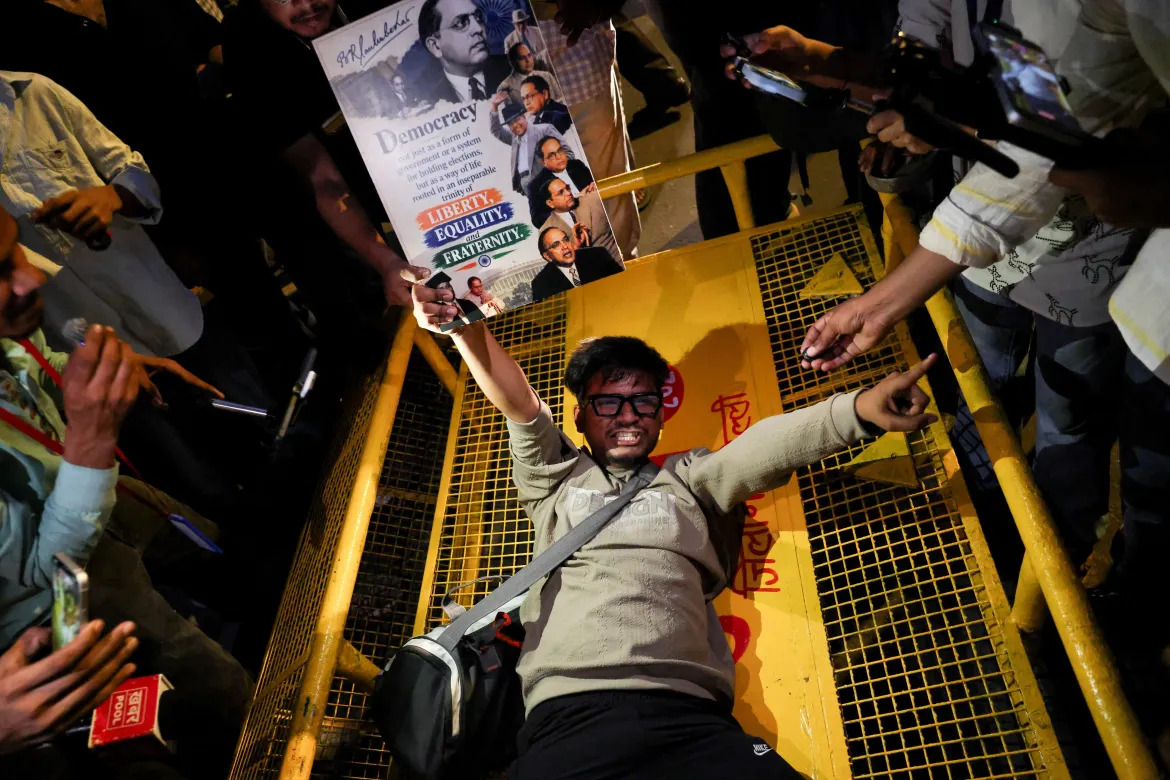
The Election Commission of India has denied any wrongdoing, saying the revision aims to remove duplicate entries, deceased voters and fraudulent names. However, opposition leaders and activists have questioned whether the process is transparent enough to prevent eligible citizens from losing their right to vote.
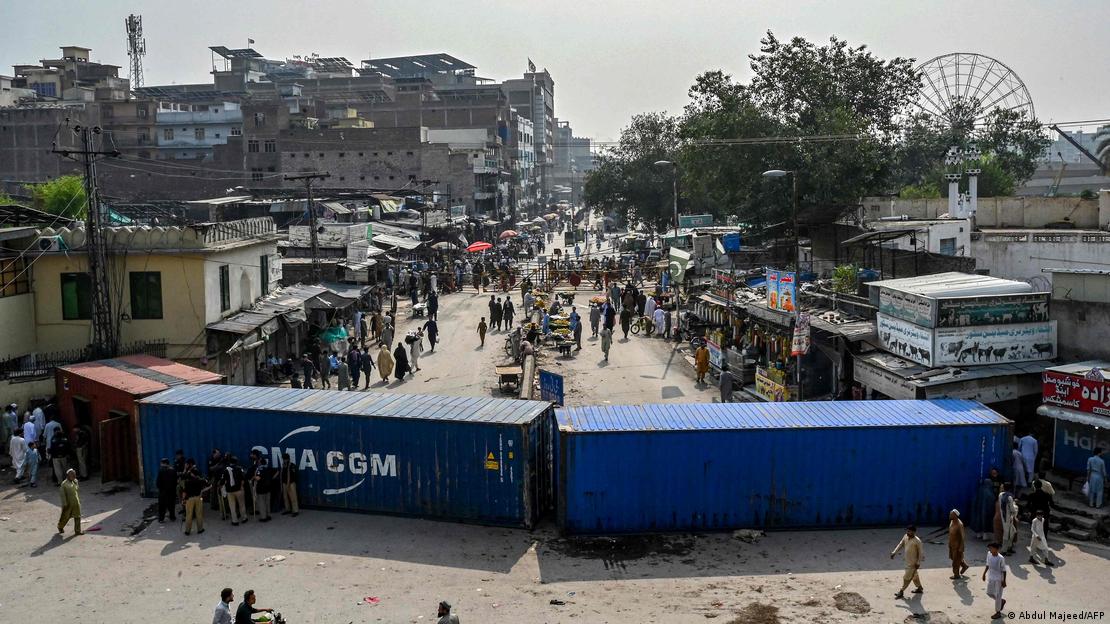
Security measures in the capital remained tight for a third consecutive day, with thousands of personnel deployed across central Delhi. Police erected metal barricades and closed key metro stations as demonstrators defied restrictions to press their demands.
The police response has also come under scrutiny. Local media reported that thousands of protesters, including organisers, were detained during weekend demonstrations. Most were later released, including three prominent leaders associated with the youth-led Cockroach Janta Party protest movement.
Several journalists covering the unrest also said they had been detained despite displaying their press identification cards, raising further questions about media freedom and the handling of public demonstrations.
The protests have developed into a significant political challenge for Modi’s government, bringing together groups with different political backgrounds around concerns over electoral fairness. The dispute has also intensified debate over the independence of election authorities and the protection of democratic rights in the world’s most populous country.
With allegations of selective voter deletions still unresolved, the confrontation is likely to keep pressure on the Election Commission to demonstrate that the revision process is impartial and that no eligible voter is unfairly excluded from the electoral system.
BOB Post