Myanmar’s military authorities are increasingly relying on forced recruitment, abductions, and alleged trafficking to replenish their ranks, leaving young people fearful of being taken from their homes and workplaces as the country’s civil war continues.
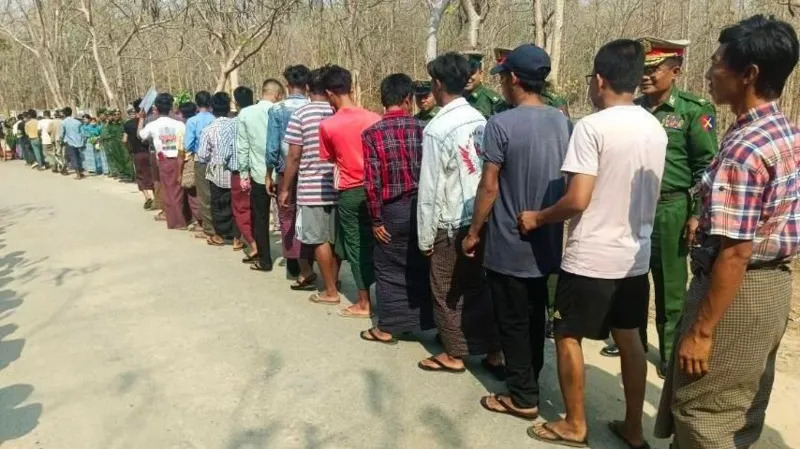
According to BBC Burmese, young men in Hpa-An, the capital of Kayin State, are facing growing pressure to join military service. Plain-clothed individuals reportedly linked to the military authorities have been roaming the streets, arresting young people and forcing them into service.
Leaked documents reviewed by BBC Burmese indicate that authorities have been instructed to meet recruitment quotas aggressively across different administrative areas. The report estimates that around 100,000 young people have been conscripted since early 2024, with many allegedly recruited through coercion, extortion and abduction rather than a formal selection process.
The military introduced a mandatory conscription law in 2024, requiring men aged 18 to 35 and women aged 18 to 27 to serve for at least two years. Those who refuse face possible imprisonment. The measure came as the military faced mounting battlefield losses, desertions and declining morale following the February 2021 coup.

However, reports of forced recruitment suggest that the law has become more than a military service requirement. It has also created opportunities for local officials and intermediaries to exploit vulnerable civilians.
BBC Burmese reported the case of a woman whose husband was allegedly handed over to military recruitment authorities through a local administrative office. She said the office had transferred him to another area to meet its recruitment quota, allegedly in exchange for money. The local administrator acknowledged his role in sending the man to the recruitment authorities but denied that money had changed hands.
According to the report, some recruitment operations involve deceiving young people with false job offers, detaining them and transferring them to military units facing manpower shortages. Wealthier people may also pay to avoid service, leaving poorer families more exposed to forced recruitment.
Genocide Watch, which monitors mass atrocities and human rights abuses, has also warned about the wider crisis facing Myanmar’s civilian population. The allegations described in the BBC Burmese report point to a broader pattern of coercion and abuse under military rule, although forced conscription alone does not establish genocide.
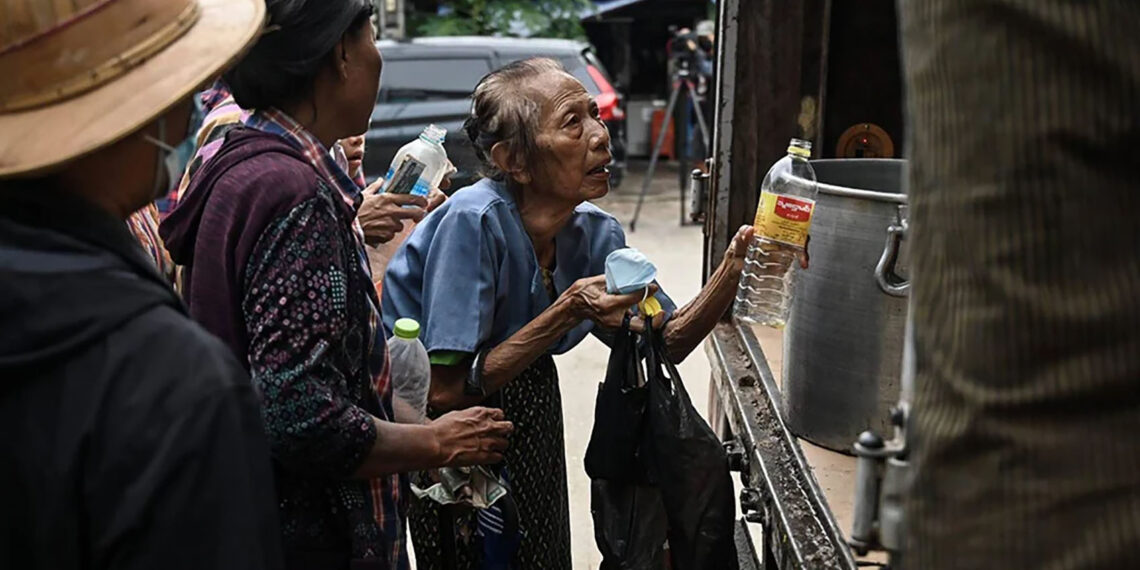
The growing recruitment pressure is deepening the hardship of a population already battered by years of conflict, economic decline, and displacement. Many young people are fleeing to neighboring countries or moving to relatives’ homes to avoid being enlisted, while families remain anxious about the whereabouts and safety of those who disappear.
The military’s reliance on coercive recruitment also raises serious questions about its ability to sustain the war without further harming civilians. Rather than resolving its manpower crisis through public support, the authorities appear increasingly dependent on fear and compulsion.
The consequences extend beyond recruitment itself. The loss of young workers is worsening labor shortages, disrupting livelihoods, and placing additional pressure on families struggling to survive. For many civilians, the threat of being forced into military service has become another reason to abandon their homes.
As Myanmar’s conflict continues, allegations of abduction and forced recruitment demand independent investigation and accountability. Civilians must not be treated as a source of manpower to sustain a war they have neither chosen nor consented to fight.
BOB Post