Prices of dates and Middle Eastern nuts have surged in Indonesia ahead of Ramadan as escalating conflict in the Middle East disrupts key shipping routes and tightens supplies, traders say.
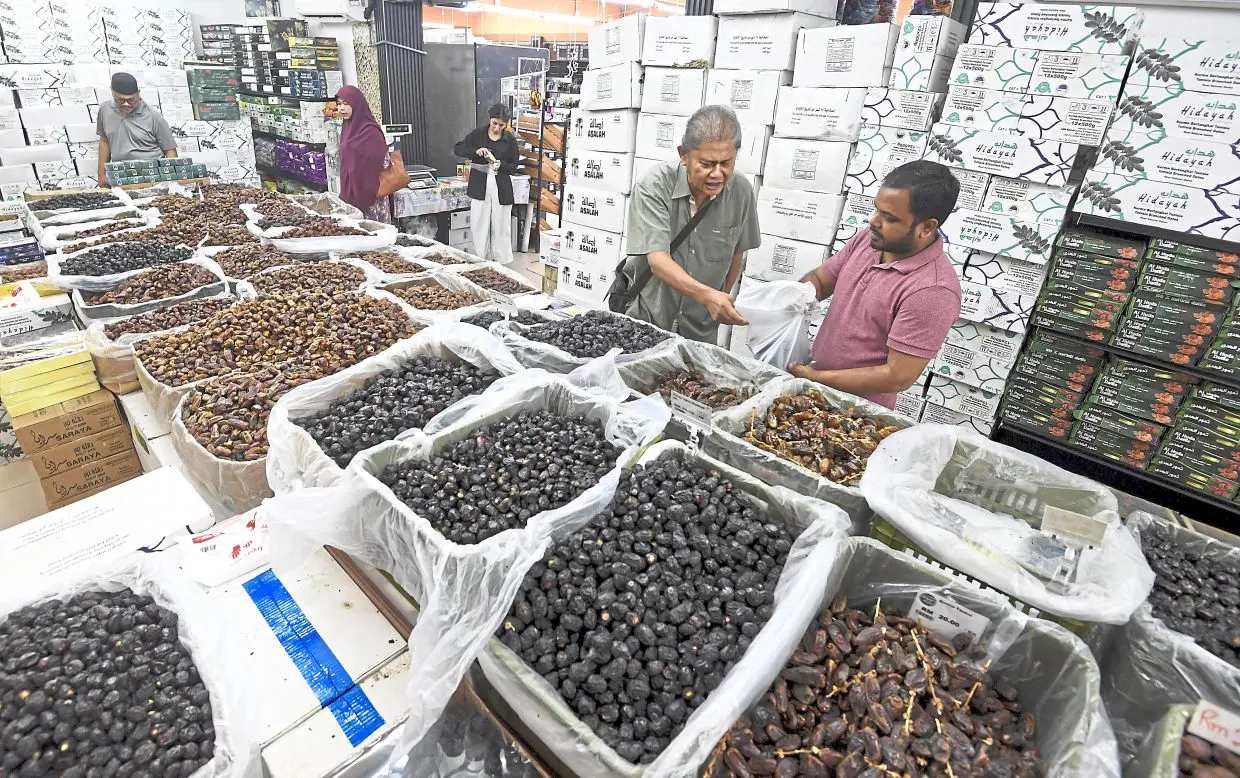
At Jakarta’s bustling Tanah Abang Market, one of Southeast Asia’s largest wholesale hubs vendors report dwindling stocks of popular imports such as Iranian dates and pistachios that typically arrive through Gulf trade routes.
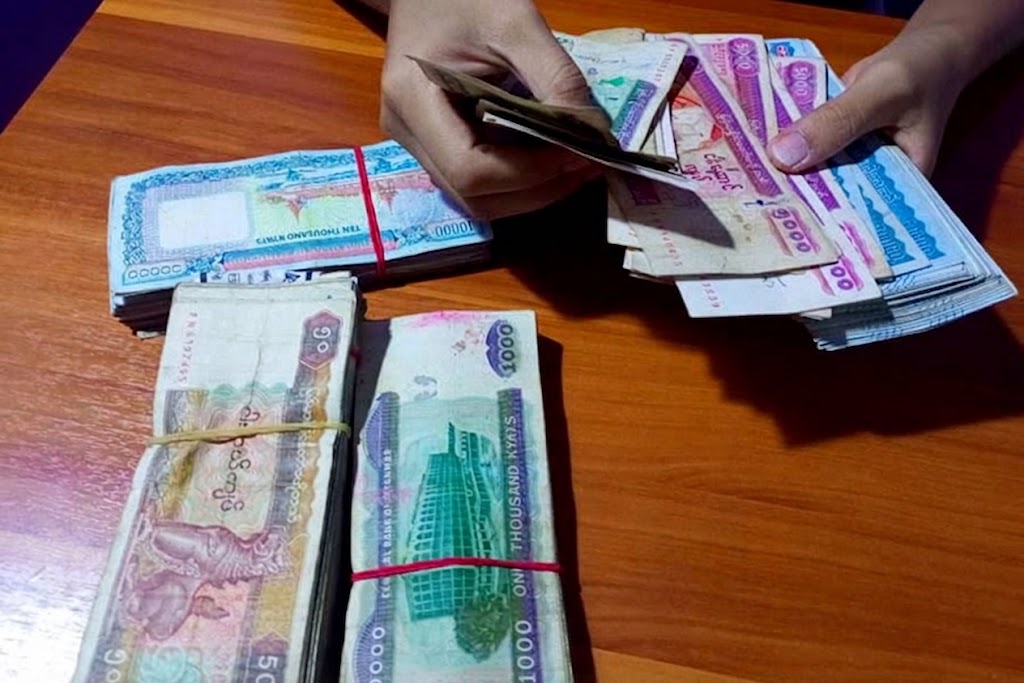
A sales attendant at the Shabani store, who identified himself as Alfin, said prices for several varieties of dates have jumped sharply in recent weeks. Retail prices for Bam dates imported from Iran have climbed to about 120,000 rupiah per kilogram from around 80,000 rupiah just weeks earlier, while pistachios and almonds have risen by roughly 30 percent.
Another shop at the market reported that the price of Golden Valley dates imported from Egypt has increased from about 30,000 rupiah to nearly 50,000 rupiah per kilogram.
According to traders, most of these goods are shipped in bulk through the Gulf, particularly via Jebel Ali Port, before being distributed across Southeast Asia. But heightened tensions in the region have disrupted maritime routes and slowed deliveries.

Shipping through the strategic Strait of Hormuz, a crucial corridor linking Middle Eastern exporters to global markets has been severely affected as hostilities intensify, causing delays and forcing vessels to take longer and costlier routes.
Economists warn that the conflict has also pushed up oil prices and insurance premiums for cargo ships, driving higher logistics costs that are being passed on to consumers.
Despite the disruptions, importers in Malaysia and Singapore say they have largely avoided shortages this Ramadan because their shipments were secured months in advance. However, traders warn that if tensions persist, supplies for next year’s festive season could be affected.
Indonesia, home to the world’s largest Muslim population, sees demand for dates surge during Ramadan, when the fruit is traditionally eaten to break the fast in accordance with the sunnah of the Prophet Muhammad.
Still, many Indonesian consumers say they are adjusting to the higher prices. Some are bargaining with local vendors, while others say they may switch to alternative snacks if costs continue to climb.
The developments highlight how the Middle East conflict is beginning to ripple through global food supply chains, particularly in Muslim-majority countries where Ramadan demand for dates is at its peak, according to a report carried by the Asia News Network.
BOB Post