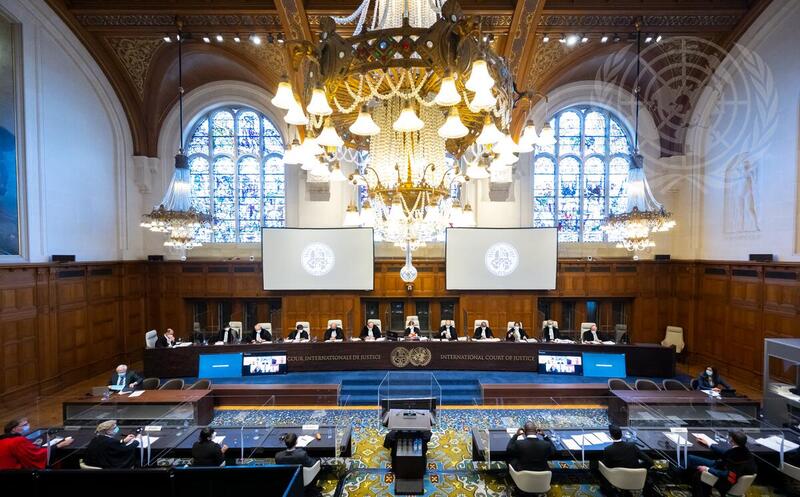
The International Court of Justice (ICJ) has begun hearings in a landmark case filed by The Gambia accusing Myanmar of committing genocide against the Rohingya Muslim minority, a case expected to shape how international law addresses mass atrocity crimes.
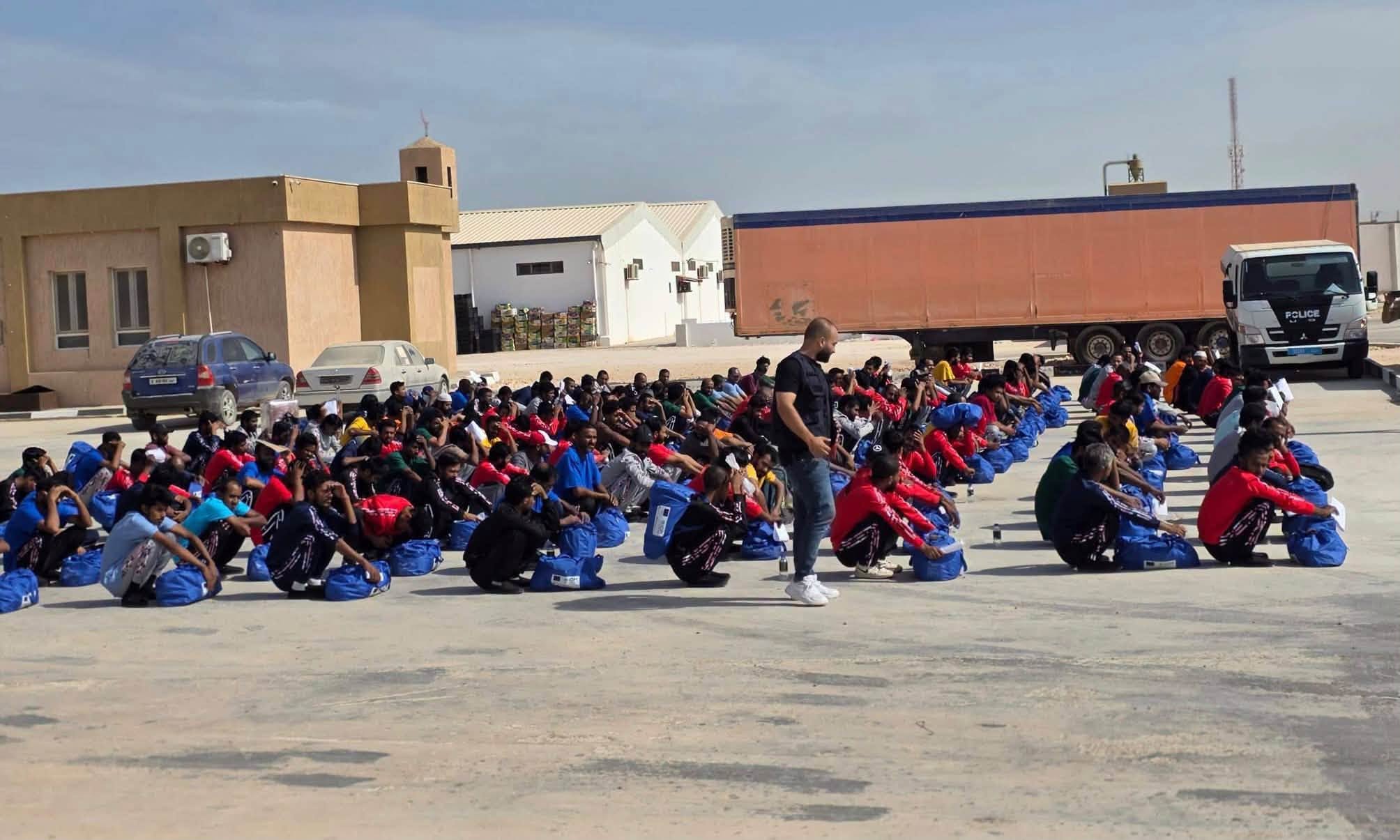
The Gambia alleges that Myanmar’s military deliberately sought to destroy the Rohingya population during operations in 2016 and 2017 claims Myanmar denies. Those operations killed tens of thousands and forced more than one million Rohingya to flee, most of whom now remain in refugee camps in Bangladesh’s Cox’s Bazar.
Legal experts say the case carries implications far beyond Myanmar. “The case is bigger than Myanmar; it is about whether international law can deliver justice for the world’s most vulnerable,” said Mark Stephens CBE, Co-Chair of the International Bar Association’s Human Rights Institute. He added that the ICJ has “the duty to speak with clarity” on how genocide allegations are assessed and enforced.

Myanmar has argued that the violence occurred within an internal armed conflict and does not meet the legal threshold for genocide. In 2021, then-civilian leader Aung San Suu Kyi told the Court the military response was directed at armed groups, not civilians. Myanmar also challenged The Gambia’s right to bring the case, but the ICJ rejected that objection in 2022, ruling that any state party to the Genocide Convention has standing to sue for alleged violations.
That ruling has already set a precedent. According to John Balouziyeh, Co-Vice Chair of the IBA Human Rights Law Committee, it is likely to “spur more states to turn to the ICJ to challenge alleged human rights violations under the Genocide Convention, even when they are not directly injured.”
The Court is now reviewing UN reports, satellite imagery of destroyed villages, forensic evidence, and survivor testimony. The ICJ is expected to rule later in 2026 on whether Myanmar breached the Genocide Convention and, if so, what reparations may follow. For Rohingya refugees, the case represents hope that justice could lead to restored rights, protection, and the possibility of a safe and dignified return.
BOB Post