

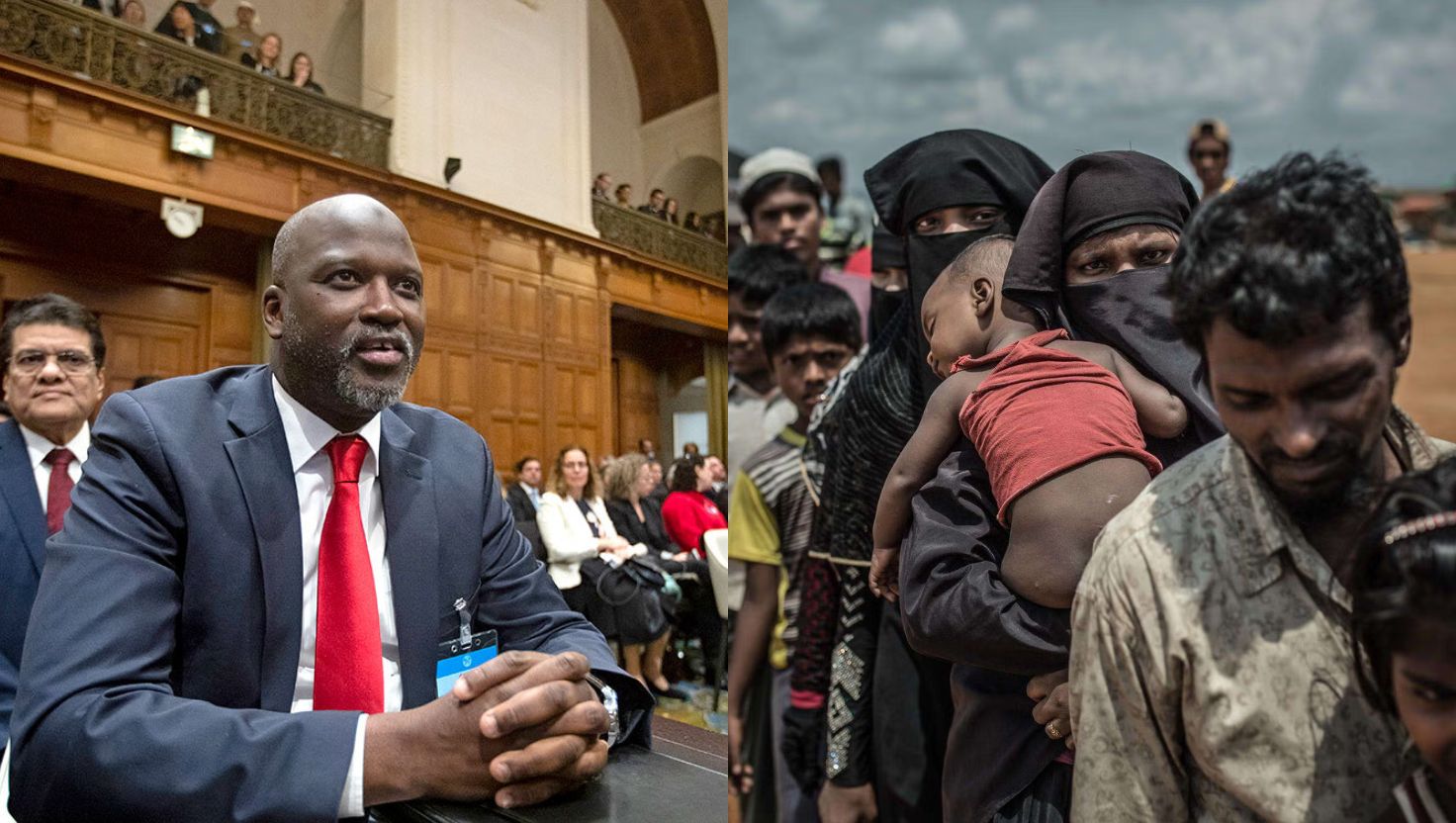

The International Court of Justice (ICJ) will hold public hearings next month in a landmark case accusing Myanmar of committing genocide against its Rohingya minority, the United Nations’ top court announced.
The hearings are expected to set important legal precedents and could have implications for other genocide-related cases before the court, including South Africa’s case against Israel over the war in Gaza. It will be the first time in more than a decade that the ICJ hears a genocide case on its merits.
During the first week of proceedings, The Gambia — a predominantly Muslim West African nation that brought the case — will present its arguments from January 12 to 15. Myanmar will then respond from January 16 to 20.
In an unusual step, the ICJ has also set aside three days to hear witnesses and an expert called by the parties. These sessions will be held behind closed doors and will not be open to the public or media.
“The hearings will be devoted to the merits of the case and will include the examination of witnesses and an expert called by the Parties,” the ICJ said in a statement.
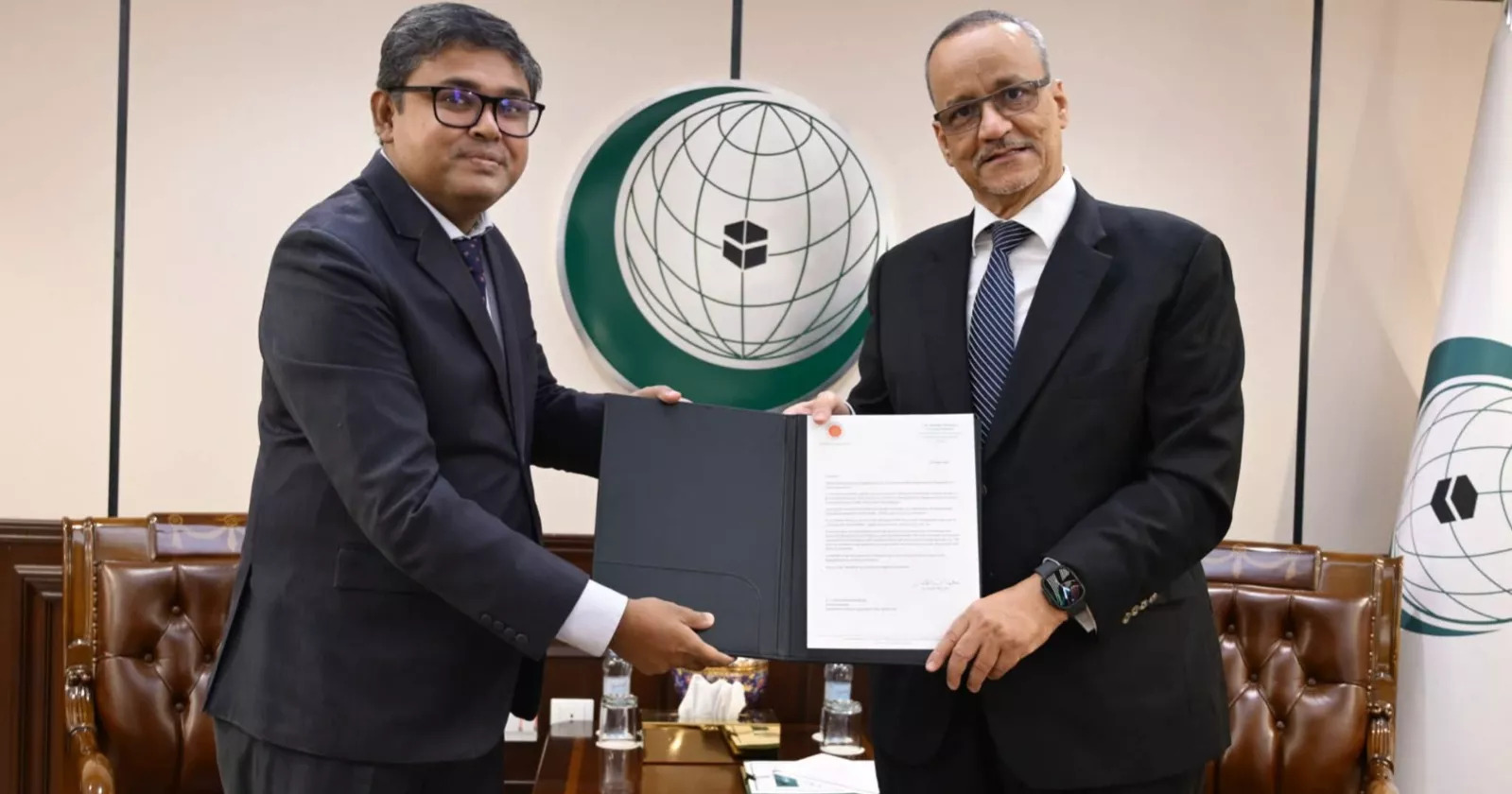
The Gambia filed the case in 2019 with the backing of the Organisation for Islamic Cooperation, accusing Myanmar of violating the UN Genocide Convention during a brutal military crackdown on the mostly Muslim Rohingya population in 2017. More than 742,000 Rohingya fled to neighbouring Bangladesh amid reports of mass killings, sexual violence and entire villages being burned.
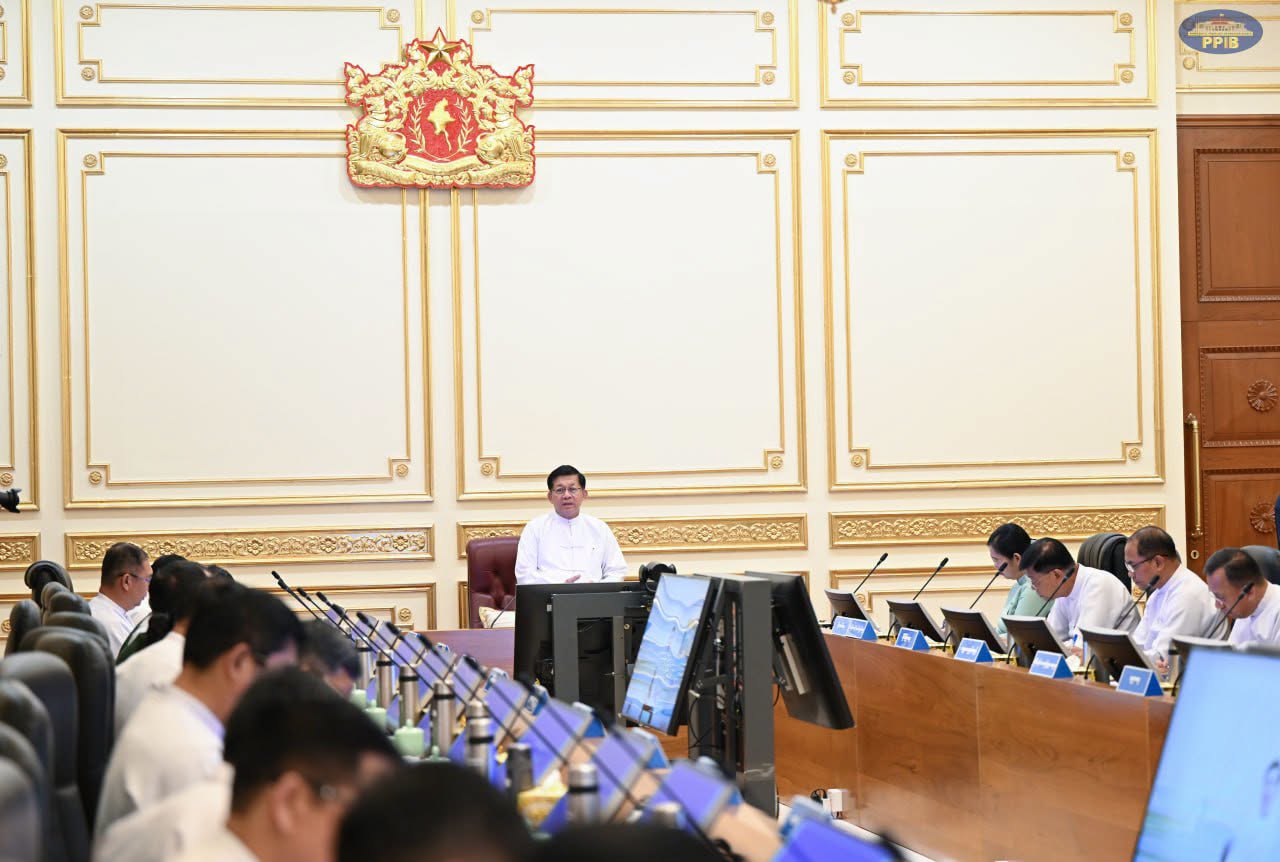
Myanmar has denied committing genocide. However, in 2020 the ICJ ordered the country to take all measures within its power to prevent acts of genocide against the Rohingya.
Speaking at a high-level UN General Assembly meeting in September, The Gambia’s Minister of Justice Dawda Jallow said he hoped the court would deliver a judgment “soon after” the January hearings.
“We filed our case in November 2019, almost six years ago. Now, we are preparing for the oral hearing on the merits, which the court has scheduled for mid-January 2026,” Jallow said. He added that The Gambia would argue Myanmar must be held responsible and required to make reparations to victims.
Wai Wai Nu, executive director of the Women’s Peace Network-Myanmar, said international support for The Gambia’s case was significant and could help push action to halt ongoing violence in Rakhine State. She also urged the UN Security Council to act independently of the ICJ process.
Before 2017, about one million Rohingya lived in Myanmar. Today, more than one million are living in overcrowded refugee camps in Cox’s Bazar, Bangladesh — the world’s largest refugee settlement — where many have endured years of hardship, while others have risked dangerous sea journeys in search of safety elsewhere.
BOB Post