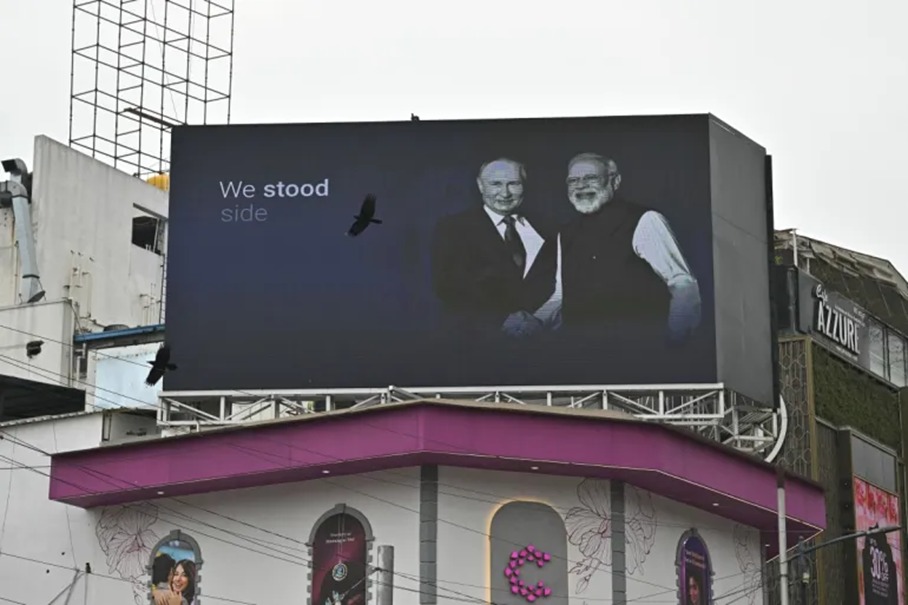
The Reciprocal Exchange of Logistics Support (RELOS) agreement between India and Russia represents a deeper layer of strategic cooperation that goes beyond traditional arms sales and military diplomacy. In an era defined by shifting alliances, great-power competition, and regional security complexities, this agreement reflects how states are adapting to a more fluid and multipolar international order.
At its core, RELOS institutionalizes logistical cooperation between India and Russia by allowing reciprocal access to military infrastructure bases, ports, and airfields for refueling, replenishment, maintenance, and transit. While such arrangements may appear technical, their strategic implications are profound. Logistics is the backbone of military power projection; without reliable access to supply chains and staging points, even the most advanced armed forces face operational limitations. By removing these constraints, RELOS significantly expands the geographical reach of both countries’ militaries.
For India, the agreement offers access to Russia’s extensive network across Eurasia, including regions that are otherwise difficult for Indian forces to reach. This includes Central Asia and potentially the Arctic, areas that are gaining importance due to emerging trade routes, energy exploration, and evolving security dynamics. For Russia, the agreement provides a valuable foothold in the Indian Ocean region, a space that has become central to global commerce and strategic competition. At a time when Russia’s access to Western-controlled systems and bases has been curtailed following the Russia-Ukraine War, such partnerships are especially valuable.

The agreement also strengthens operational interoperability between the two militaries. Historically, India has been one of the largest importers of Russian defense equipment, ranging from fighter jets and tanks to missile systems. However, interoperability is not only about equipment compatibility; it also involves coordination in logistics, communication, and joint planning. RELOS enhances these dimensions by creating standardized mechanisms for cooperation during joint exercises, humanitarian missions, anti-piracy operations, and potentially even contingency scenarios.
Another important dimension of RELOS is its signaling effect in global politics. India’s decision to deepen ties with Russia, even while expanding relations with the United States and its allies, underscores its commitment to strategic autonomy. Rather than aligning exclusively with any single power bloc, India is pursuing a multi-aligned approach engaging with diverse partners to maximize its national interests. This is evident in India’s participation in groupings like the Quad alongside continued defense and energy cooperation with Russia.

For Russia, the agreement serves as a means of maintaining relevance in the Indo-Pacific region. As Western sanctions and diplomatic isolation intensify, Moscow has sought to strengthen ties with non-Western partners. India, with its large market, strategic location, and independent foreign policy, becomes a crucial partner in this context. RELOS thus helps Russia sustain its global military presence and diversify its strategic options.
The United States’ response to this agreement is shaped by competing priorities. On one hand, Washington is wary of any arrangement that enhances Russia’s global military footprint, particularly in the Indo-Pacific, where the U.S. seeks to maintain a favorable balance of power. On the other hand, the United States views India as a key partner in countering China’s rise. This duality leads to a calibrated response: rather than openly opposing the agreement, the U.S. is likely to engage India more deeply through defense cooperation, technology sharing, and joint exercises. Over time, Washington’s objective will be to reduce India’s reliance on Russian systems without undermining the broader partnership.
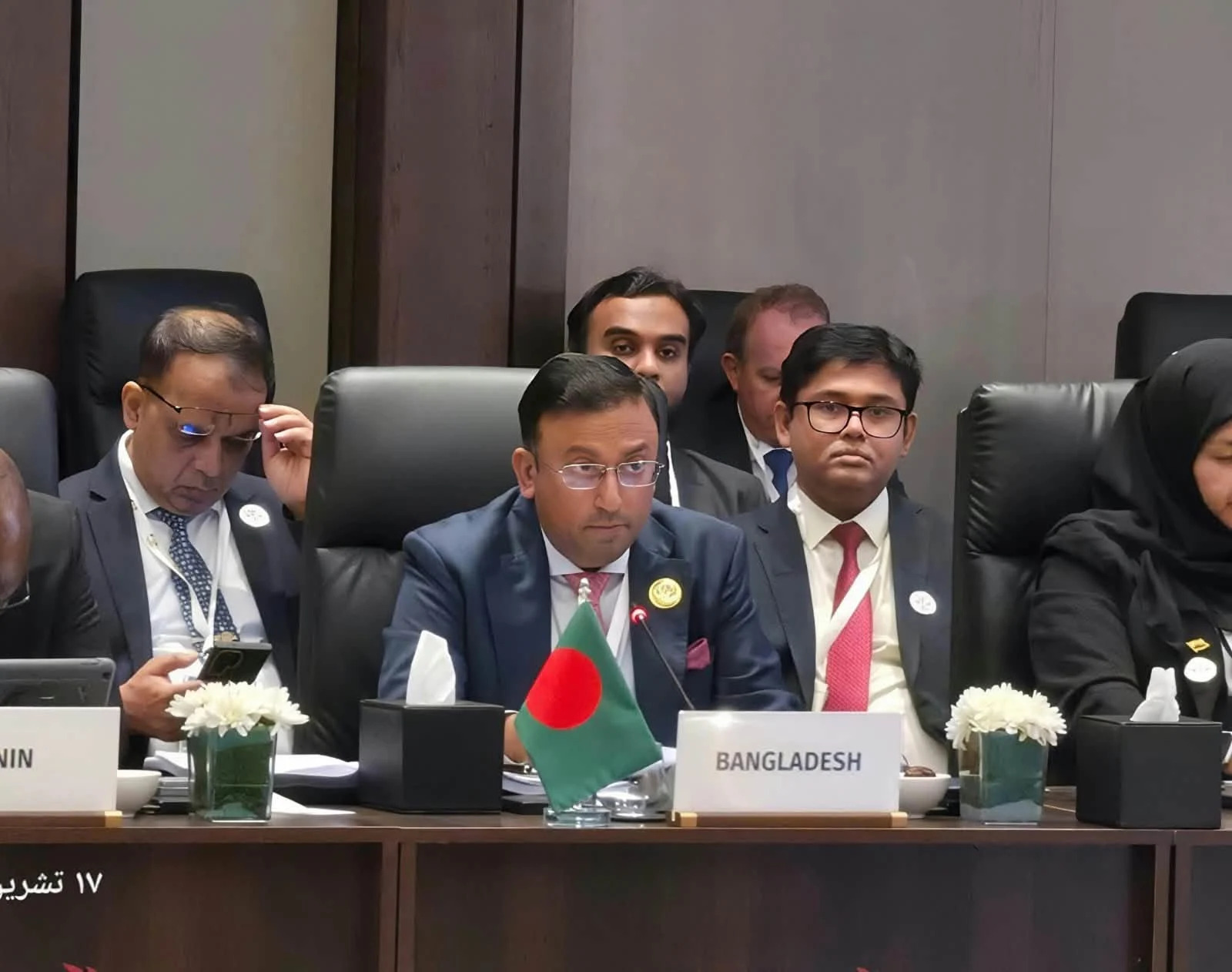
From a regional perspective, the implications of RELOS extend to South Asia and the Bay of Bengal. Bangladesh, situated at the crossroads of South and Southeast Asia, is particularly sensitive to shifts in regional power dynamics. Although the agreement does not directly involve Bangladesh, it could indirectly influence its strategic environment. An enhanced Indian military capability, supported by expanded logistical access, may reinforce India’s position as the dominant security actor in the region.
For Bangladesh, this evolving landscape presents both challenges and opportunities. On the one hand, a stronger Indian presence in the Bay of Bengal could contribute to maritime security, including anti-piracy efforts, disaster response, and the protection of sea lines of communication. On the other hand, increased activity by major powers, whether India, Russia, or others could intensify strategic competition in the region. This is particularly relevant given China’s growing economic and infrastructural engagement in Bangladesh and the broader region.
In this context, Bangladesh’s policy of balanced diplomacy becomes even more critical. By maintaining constructive relations with India, China, Russia, and Western partners, Bangladesh can navigate the complexities of great-power competition while safeguarding its own national interests. This approach allows Dhaka to benefit from economic cooperation, infrastructure development, and security partnerships without becoming overly dependent on any single actor.
In a broader sense, RELOS reflects the changing nature of international security arrangements. Unlike traditional military alliances, which are often rigid and exclusive, modern agreements tend to be flexible and issue-specific. They enable cooperation without formal commitments to collective defense, allowing countries to adapt to evolving circumstances. This flexibility is particularly valuable in a world where threats are diverse and interconnected, ranging from conventional conflicts to non-traditional challenges such as maritime security, cyber threats, and humanitarian crises.
In conclusion, the India-Russia RELOS agreement is a significant development that illustrates the interplay between logistics, strategy, and geopolitics. It enhances military capabilities, reinforces strategic partnerships, and reshapes regional dynamics. While its immediate effects may be limited to logistical cooperation, its broader implications are far-reaching. For India and Russia, it strengthens their ability to operate in an increasingly contested global environment. For the United States, it presents both a challenge and an incentive to deepen engagement with India. And for Bangladesh, it underscores the importance of strategic balance in navigating a complex and evolving regional order. Ultimately, RELOS is a reminder that in contemporary geopolitics, influence is not only about power but also about access, connectivity, and the ability to operate across regions.
By -Mamun Mozumder, Peace and Development Observer