Forced displacement worldwide has reached an unprecedented level, driven by protracted conflicts, political instability, and weakening international conflict-prevention mechanisms, according to the United Nations High Commissioner for Refugees.
UNHCR estimates that more than 117 million people are currently forcibly displaced, including refugees, asylum seekers, and internally displaced persons (IDPs), underscoring the mounting pressure on global humanitarian systems.
Recent escalations in parts of the Middle East including Palestine, Lebanon, and Iran have triggered fresh waves of displacement over the past month. Many affected families were already living as refugees, leaving them with limited or no safe destinations.
According to the United Nations Relief and Works Agency, the number of registered Palestinian refugees has reached approximately 5.9 million, a significant rise from around 750,000 when the agency began operations in 1950. As reported by VOI, this sharp increase reflects decades of unresolved conflict and recurring displacement cycles that continue to expand the refugee population across generations.

The largest concentration of Palestinian refugees is in Jordan, hosting about 2.3 million individuals. The Gaza Strip accounts for between 1.47 million and 1.6 million, while the West Bank hosts roughly 800,000 to 900,000. Smaller populations are found in Syria (around 438,000) and Lebanon, where estimates range between 250,000 and 500,000.
Despite the scale of displacement, only about one-third of registered refugees—around 1.5 million reside in 58 recognized camps, with the majority living in urban areas and host communities, often under strained conditions.
Humanitarian monitoring indicates that more than 1.2 million people have been newly displaced in Lebanon since renewed hostilities escalated in March. Meanwhile, UNHCR reports suggest that up to 3.2 million people have been temporarily displaced within Iran, although verification is ongoing.
These developments were central to discussions at the Antalya Diplomacy Forum, where policymakers and humanitarian leaders examined the growing strain on global refugee protection systems. A key panel highlighted widening funding gaps, declining political commitment, and the limitations of existing legal frameworks.
Speaking at the forum, Barham Salih described the crisis as “multidimensional and structural,” warning that no single reform can adequately address its scale or complexity. He emphasized the urgent need for increased international funding and more equitable responsibility-sharing among nations.
Salih also pointed to Turkey as a major refugee-hosting country, noting its long-standing role in accommodating millions fleeing conflict, particularly from Syria. While the country once hosted nearly 4 million Syrian refugees, about 2.3 million remain today, reflecting both returns and ongoing displacement dynamics.
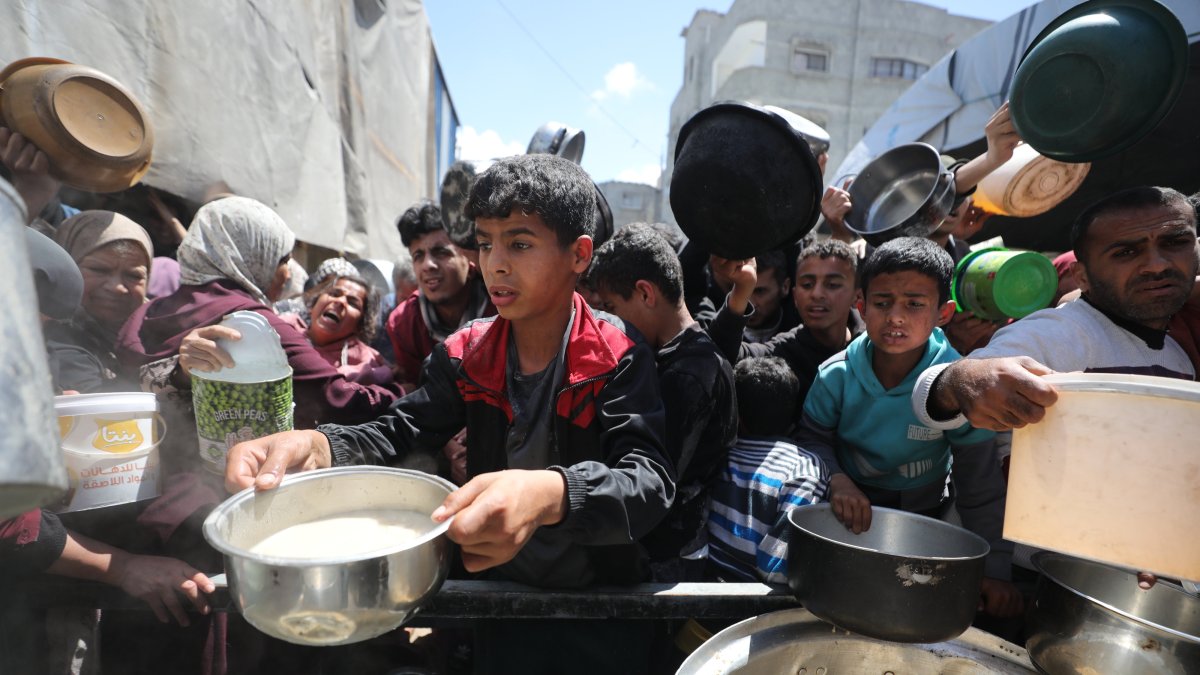
He stressed that frontline host countries continue to shoulder a disproportionate burden, often under challenging economic and political conditions. In countries such as Chad, humanitarian agencies are grappling with severe funding shortages that directly affect basic services.
“With current funding levels, we are only able to provide around 9 liters of water per person per day far below emergency standards,” Salih said, highlighting the stark realities facing displaced populations.
Aid agencies warn that such shortages are forcing refugees to make difficult choices between essential needs such as cooking, hygiene, and drinking water, illustrating the deepening humanitarian crisis as global displacement continues to rise.
BOB Post