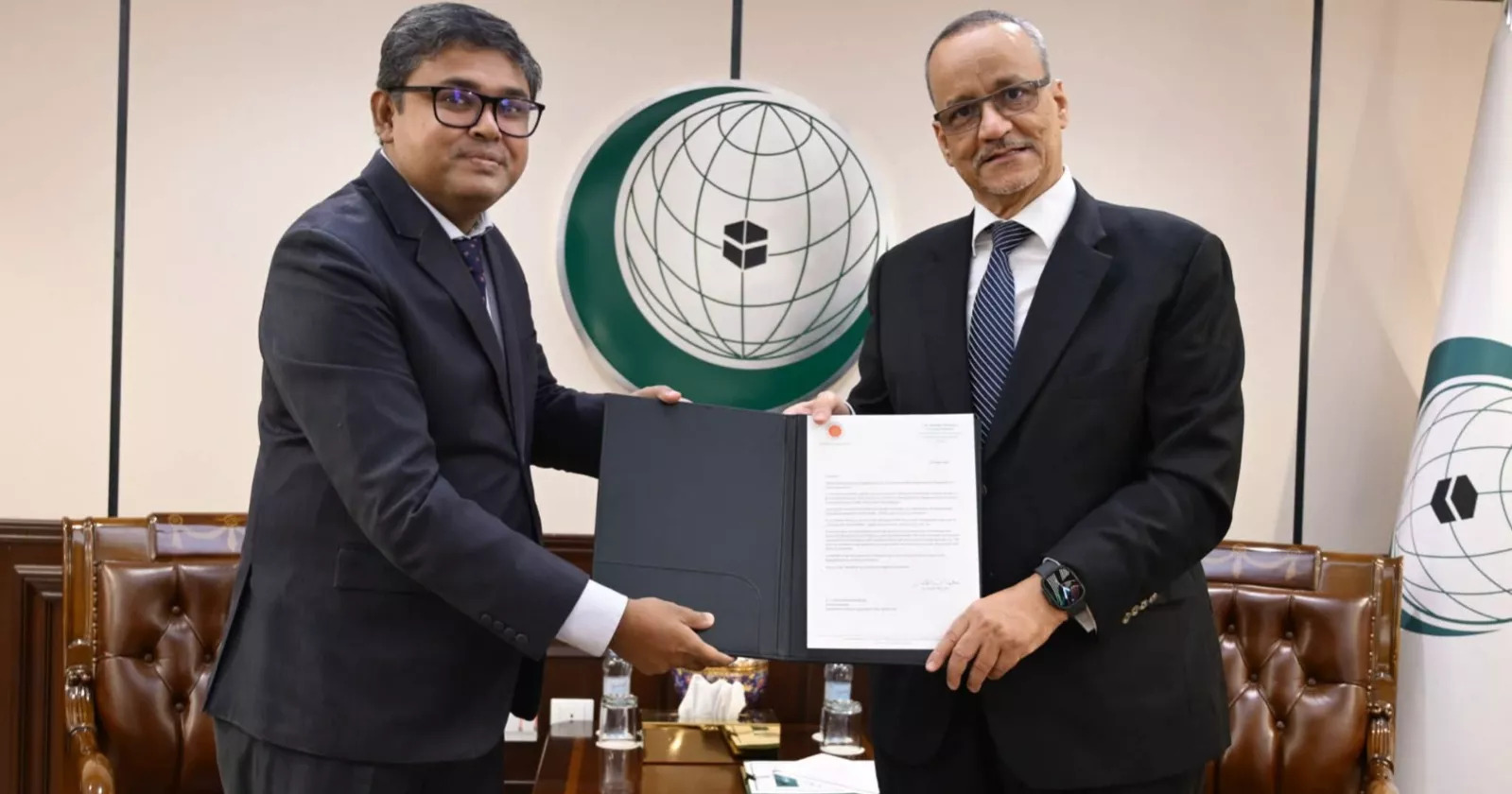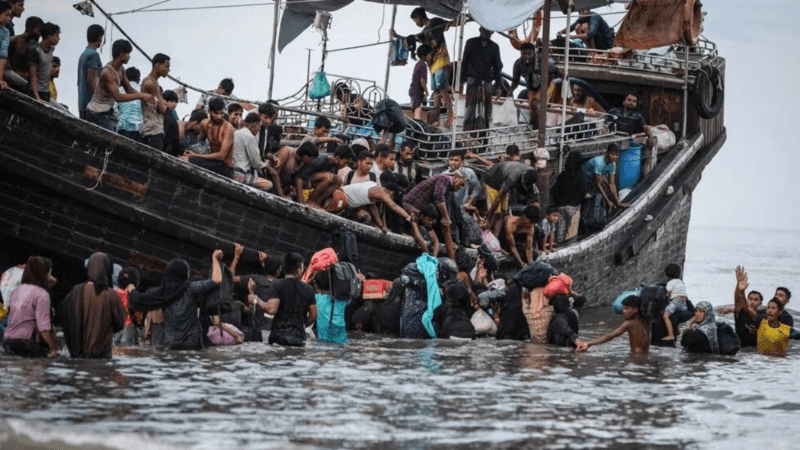
The Tanmiah Charitable Association has signed a new cooperation agreement with the United Nations High Commissioner for Refugees (UNHCR) aimed at funding critical healthcare services for approximately 15,000 Rohingya refugees in the Cox’s Bazar camps.
The signing ceremony was attended by representatives from Kuwait's Ministry of Social Affairs and several other humanitarian organizations, who highlighted the importance of strengthening joint efforts to support refugee populations.
Nasser Al-Ajmi, Chairman of the Tanmiah Charitable Association, stated that the agreement marks a continuation of a significant humanitarian partnership with UNHCR that began in 2019. This long-term collaboration has focused on improving access to clean water, healthcare, education, and food assistance.
"Nearly 500,000 refugees have benefited from this partnership over the past five years," Al-Ajmi noted. He added that this year’s efforts, in coordination with UNHCR, will primarily focus on healthcare, praising the agency's effective management of the camps and the fair distribution of aid, According to Arakan news agency.

On behalf of UNHCR, Nisreen Rubaian, the agency's Representative in Kuwait, detailed the scope of the new agreement. She indicated that the initiative includes the provision of vital medical supplies, essential medicines, and the implementation of vaccination campaigns within the camps. Rubaian affirmed that this initiative is part of a framework of joint humanitarian efforts that have been ongoing since 2020.
Abdulmohsen Al-Mukheil, an official from the Ministry of Social Affairs, welcomed the agreement, commending Kuwait’s leading role in global humanitarian work. He stressed the importance of continued cooperation with international organizations like UNHCR to enhance Kuwait's global standing in the humanitarian sector.
Bangladesh currently hosts an estimated 1.3 million Rohingya refugees, primarily concentrated in the Cox’s Bazar camps. The United Nations classifies this settlement as the world's largest refugee camp.
The majority of this population fled Myanmar in 2017 following a military campaign that the UN has described as a "genocidal campaign." Reports indicate that new waves of displacement to Bangladesh have continued since November 2023, following renewed fighting in Myanmar's Arakan State.
BOB Post