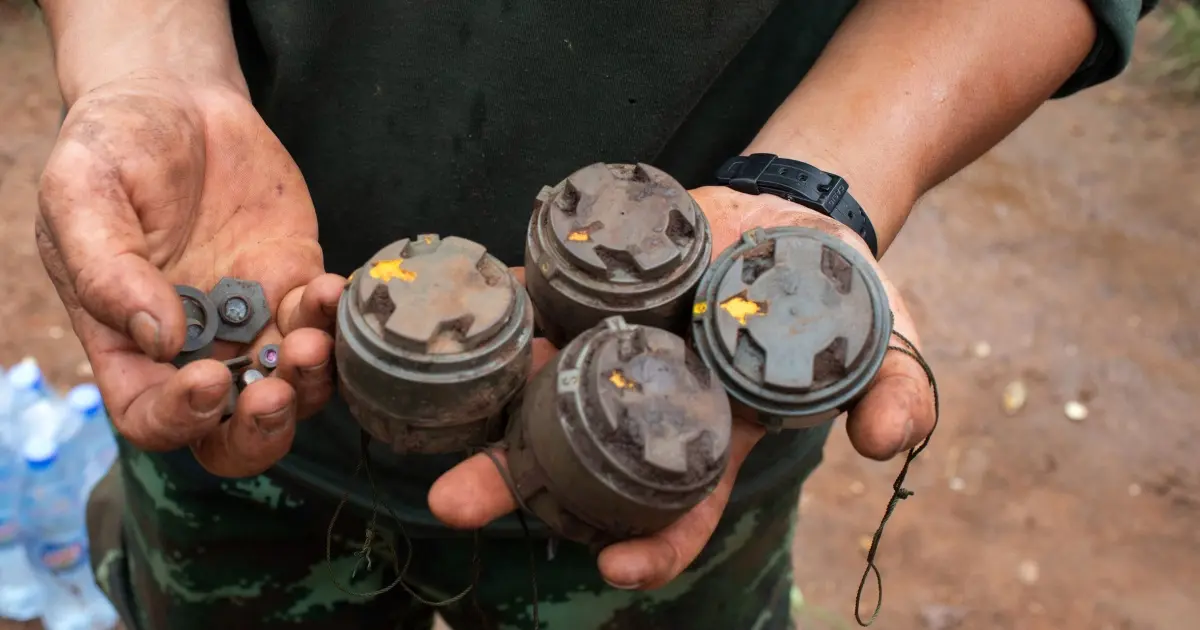
Landmine explosions along the Bangladesh–Myanmar border have risen sharply over the past six months, triggering widespread fear among border communities and raising serious humanitarian and legal concerns. At least 76 landmine blasts have been recorded since July last year, leaving five people dead and at least 60 others injured, according to an analysis of data from media reports and law enforcement sources.
The explosions have not been confined to one side of the border. A breakdown of the incidents shows that the threat has spilled into Bangladeshi territory, intensifying the gravity of the situation. Eight explosions occurred inside Bangladesh, killing one person and injuring eight others. Twenty-three blasts along the border line left at least 18 people wounded. Meanwhile, 45 explosions inside Myanmar near the border resulted in four deaths and injuries to at least 34 people.
The

impact has extended beyond humans. Two elephants were also killed or injured by landmine explosions, highlighting the broader environmental and wildlife consequences of the weapons scattered across forested and hilly border areas.
Security dynamics along the frontier have changed noticeably in recent months. Alongside gunfire and mortar shelling linked to ongoing conflict inside Myanmar, landmines have emerged as the most silent yet deadly threat. Although mines are often planted under the pretext of border security, their primary victims are civilians fishermen, farmers grazing livestock, and people collecting firewood who are unaware that a single step could be fatal.
In border villages of Teknaf and Hwaikyang, fear has become part of daily life. Residents say they are afraid to leave their homes even during daylight hours. Farming activities have largely stalled, and fishing in the Naf River is now considered life-threatening. Some families are reportedly considering leaving their ancestral villages in search of safer shelter.

Experts warn that the situation is no longer just a security concern but a looming humanitarian crisis. Under international humanitarian law and the Geneva Conventions, the use of weapons that indiscriminately endanger civilians is strictly prohibited. The Ottawa Treaty also bans the use of anti-personnel landmines. Legal analysts argue that indiscriminate mine-laying near an international border especially when its effects extend into the territory of a neighboring country constitutes not only a human rights violation but also a challenge to national sovereignty.
Bangladesh’s law enforcement agencies face mounting difficulties in managing the threat. While border patrols have been intensified, ongoing conflict across the border makes it nearly impossible to prevent infiltration or detect and clear all mines. The region’s rugged terrain marked by hills, forests, and river networks further complicates mine-clearance efforts. Authorities have urged local residents to remain extremely cautious.
Security analysts and rights advocates say Bangladesh must respond more forcefully on the diplomatic front. They stress the need for strong bilateral protests to Myanmar, as well as briefing the United Nations and international human rights bodies. Without decisive action, they warn, the growing pattern of landmine explosions could lead to further loss of life.
The mines scattered along the Bangladesh Myanmar border have become silent death traps, posing a direct and unacceptable threat to civilians one that experts say can no longer be ignored.
BOB Post