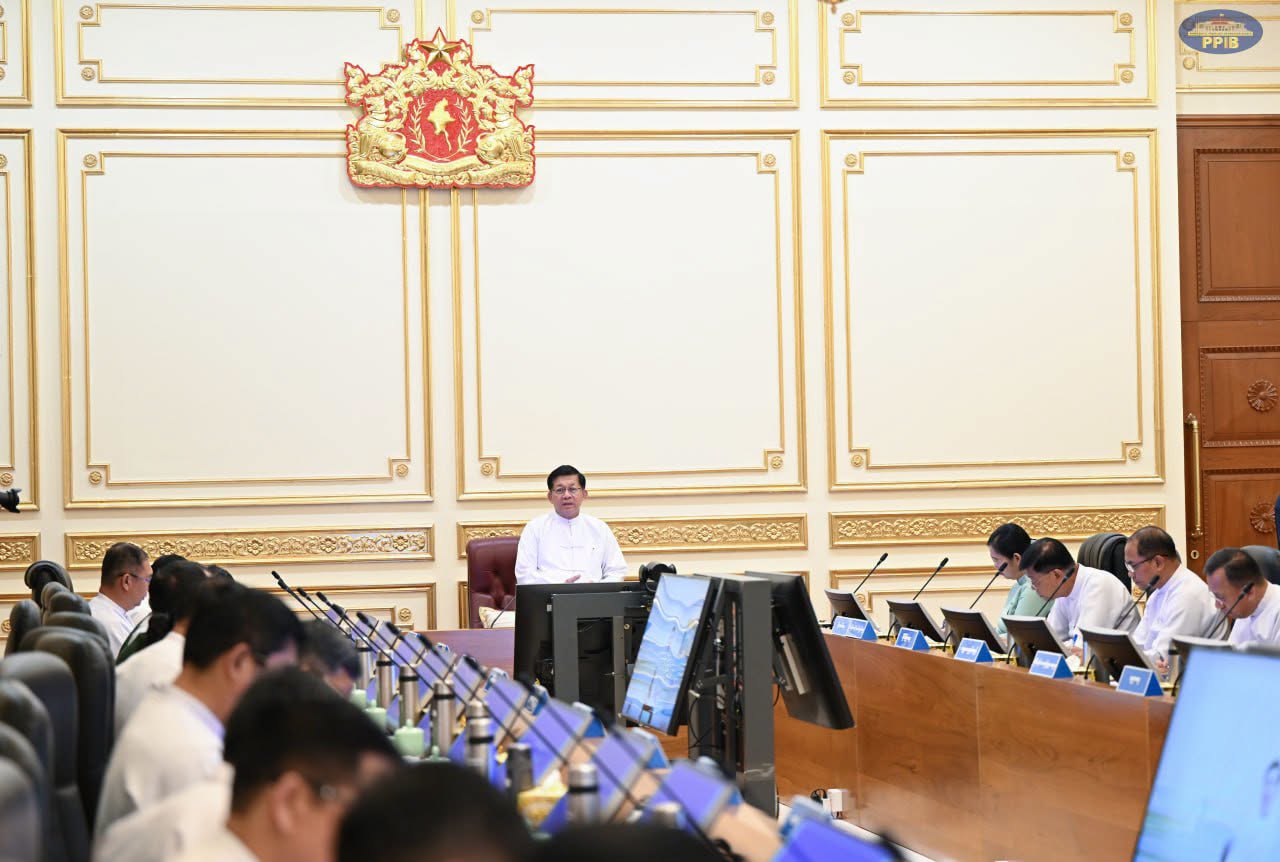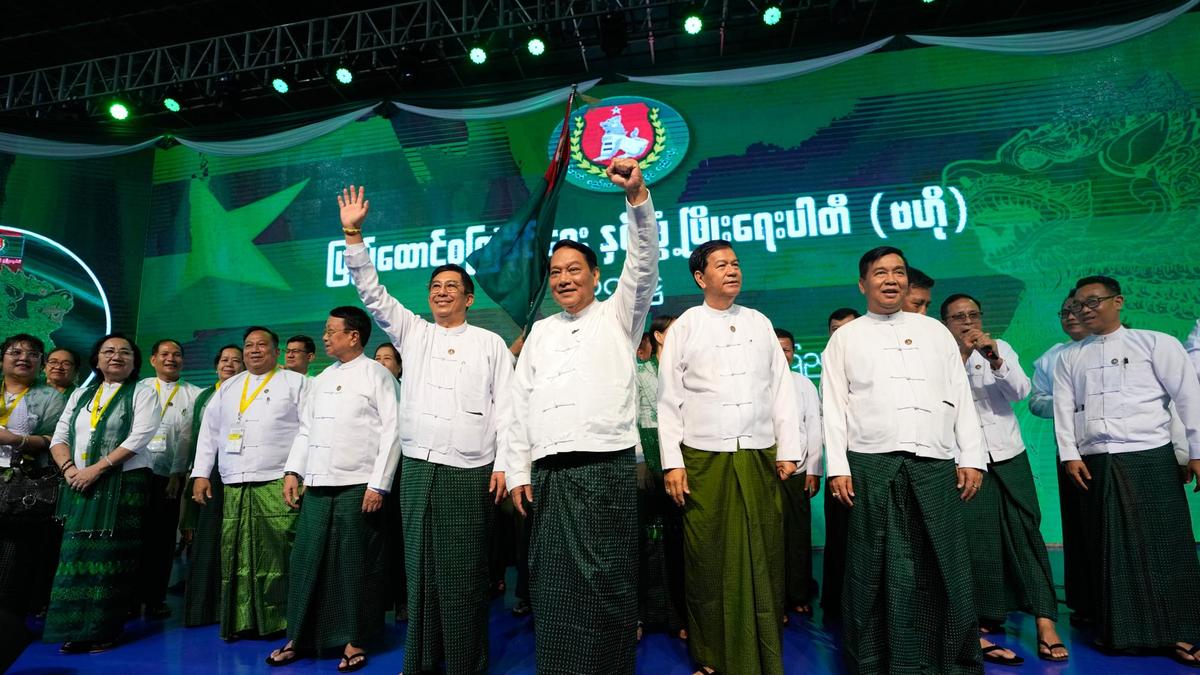
Myanmar’s military-appointed election authority has released early results from the first phase of the country’s controversial three-stage general election, showing the military-backed Union Solidarity and Development Party (USDP) leading in most constituencies, an outcome widely anticipated amid opposition boycotts and ongoing conflict.
The Union Election Commission (UEC) said more than six million voters took part in the first phase of voting held on December 28, representing about 52 percent of eligible voters. Authorities described the turnout as a major success, despite strong criticism from opposition groups who argue the election lacks credibility due to widespread restrictions and the exclusion of major political parties.

According to a statement published in the state-run Myanma Alinn newspaper, the USDP has so far secured 38 out of 330 seats in the lower house, the Pyithu Hluttaw, with many constituencies yet to be officially declared. USDP chair Khin Yi, a former general and ex-police chief closely aligned with junta leader Senior General Min Aung Hlaing, won a seat in Naypyitaw after receiving 49,006 votes out of 68,681, reports UNB.
Smaller ethnic parties also registered limited gains, with the Shan Nationalities Democratic Party and the Mon Unity Party each winning one seat, according to the UEC.
A senior USDP official told the Associated Press that the party has already captured 88 of the 102 seats contested during the first phase, including 29 constituencies where it faced no opposition. The official added that the USDP has also claimed around 85 percent of contested seats in regional parliaments, though final results will only be confirmed after the remaining two voting phases scheduled for January 11 and January 25.
Voting will not be held in at least 65 townships due to ongoing armed clashes between junta forces and resistance groups, highlighting the severe security challenges facing the election process.
Myanmar’s bicameral legislature consists of 664 seats, with the military constitutionally guaranteed 25 percent of seats in each house. The party or alliance holding a combined majority is empowered to select the president, who then forms the Cabinet.
The military seized power in February 2021, overthrowing the elected government of Aung San Suu Kyi despite her National League for Democracy (NLD) winning a landslide victory in the 2020 polls. The NLD and 39 other political parties were dissolved in 2023 after refusing to re-register under new junta-imposed election rules, triggering widespread resistance that has since evolved into a nationwide civil conflict.
BOB Post