A changing workforce is taking shape in Thailand as refugees from Myanmar move into jobs once heavily occupied by Cambodian migrant workers, exposing how the border dispute between Bangkok and Phnom Penh has disrupted the country's labour supply.
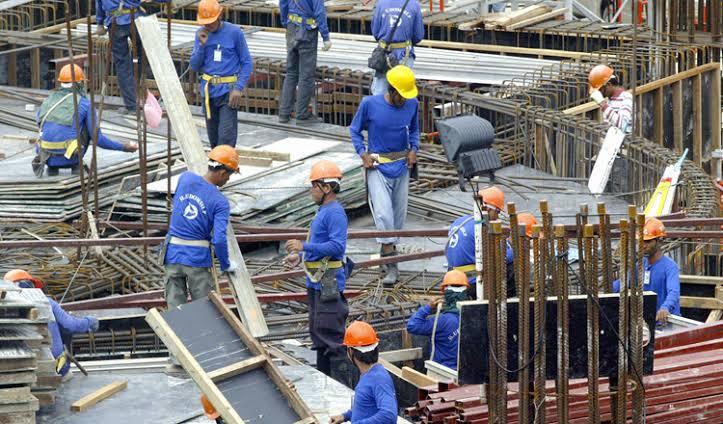
For years, Cambodian workers formed a major part of Thailand's workforce, particularly in agriculture, construction and manufacturing. But the mass return of Cambodian nationals following the border conflict has left employers searching for replacement workers.
Myanmar refugees living in camps along the Thai border are now emerging as an alternative source of labour.
According to Nikkei Asia, Thailand is increasingly relying on Myanmar refugees to address the gaps left by departing Cambodian workers, creating new employment opportunities for a population that has spent decades largely confined to refugee camps.
The change follows a Thai government decision in October 2025 to allow long-term Myanmar refugees to leave the camps and work legally. The policy reversed decades of restrictions and came at a time when international aid cuts had also reduced essential support inside the camps.
The impact is becoming visible. More than 6,000 refugees had entered the Thai workforce by September 2026, while thousands more have received permission to seek employment. They are finding work in sectors that depend heavily on manual labour.
Yet the move from refugee camps to workplaces has not been easy. Some workers have complained of lower-than-promised wages, unexpected deductions and difficult working conditions. Rights groups say the absence of proper employment contracts and effective complaint mechanisms leaves many vulnerable to exploitation.
The policy also carries significance beyond Thailand's labour market. The United Nations has pointed to the initiative as a possible example for other refugee-hosting countries, including Bangladesh and Malaysia, where displaced populations continue to face restrictions on employment and economic independence.
For Myanmar refugees, the opportunity means more than finding work. It offers a chance to support their families without depending entirely on humanitarian assistance. But whether Thailand can turn the initiative into a sustainable solution will depend on how seriously it protects workers' rights and ensures fair treatment.
For now, a regional labour crisis has opened a door that remained closed to many Myanmar refugees for decades.
BOB Post