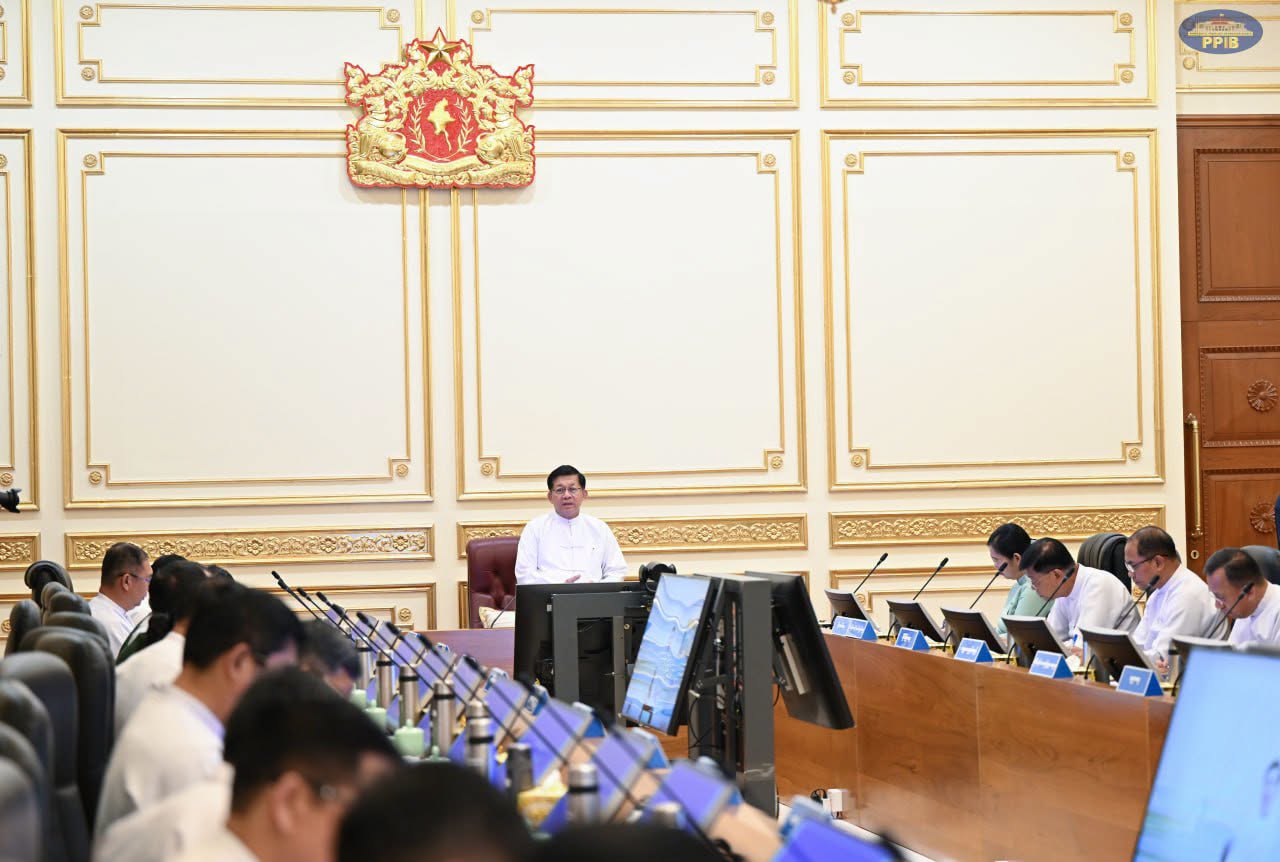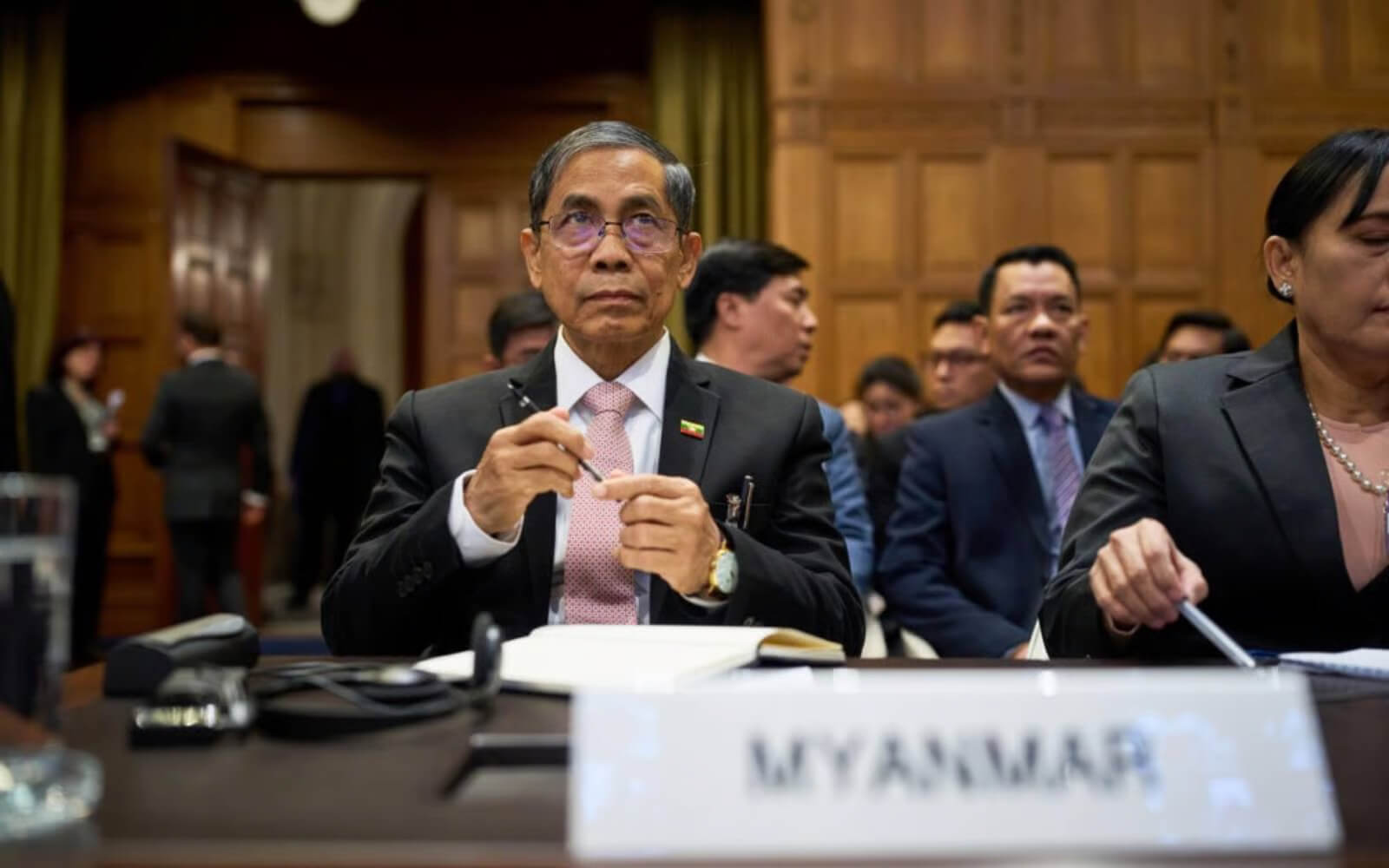
Myanmar’s military-backed government has dismissed the genocide case brought against it at the International Court of Justice (ICJ) as “flawed and unfounded,” as hearings in The Hague entered their first week.
In a statement published Wednesday in a state-run newspaper, the foreign ministry in Yangon urged ICJ judges to base their ruling strictly on “facts and settled law” within the framework of the Genocide Convention. The court began three weeks of hearings on Monday to examine allegations by The Gambia that Myanmar committed genocide against the mostly Muslim Rohingya minority during a military crackdown in 2017.
According to a report by Franch 24, the Myanmar authorities reiterated their long-standing position that international allegations rely on what they describe as biased and unreliable sources, while maintaining that the country is engaging with the ICJ process “in good faith” as a demonstration of respect for international law.

During the opening session, Gambian Justice Minister Dawda Jallow told the judges that the Rohingya had been “targeted for destruction,” citing widespread killings, sexual violence, and the burning of villages that forced hundreds of thousands to flee. Survivors later crossed into Bangladesh, where they recounted mass rape, arson, and extrajudicial killings.
Myanmar’s legal team is scheduled to begin presenting its response on Friday. In its statement, the foreign ministry rejected The Gambia’s claims, saying they were “unfounded in fact and law,” and argued that critical international reports were based on questionable evidence. Notably, the statement avoided using the term “Rohingya,” referring instead to “persons from Rakhine State.”
Today, around 1.17 million Rohingya live in overcrowded and fragile camps in Bangladesh’s Cox’s Bazar district, spread across roughly 8,000 acres. Myanmar has consistently claimed that the 2017 military operations were a legitimate response to attacks by Rohingya insurgents that killed about a dozen security personnel.
According to AFP, Myanmar also stressed that it has continued to cooperate with the ICJ despite being ruled by a military junta since the 2021 coup. While the ICJ has no direct enforcement powers, a judgment in favour of The Gambia could significantly increase international and diplomatic pressure on Myanmar. A final ruling is expected to take months, or possibly years.
BOB Post