India has introduced stringent new regulations on tea imports, a move that could significantly disrupt Nepal’s tea exports and strain one of its key foreign currency-earning sectors.
Under new guidelines issued by the Tea Board India, all tea consignments entering India from May 1 will be subject to mandatory laboratory testing. The measures are aimed at improving quality control and preventing adulteration, but exporters warn they may lead to delays and rising costs.
The updated Standard Operating Procedure requires each shipment to undergo sampling and testing, with results to be uploaded within 14 days. During this period, consignments must remain in storage and cannot be sold or re-exported. If a shipment fails testing twice, it must either be destroyed or returned to the country of origin.
Indian importers must also submit detailed shipment information through a digital portal and pay a testing fee exceeding INR11,000 per sample, along with applicable taxes.

Nepali exporters say the rules could effectively stall trade. “Transport vehicles may be held at border points until lab reports are issued,” said industry representatives, citing logistical bottlenecks at key crossings such as Kakarvitta and limited testing capacity, with most samples sent to laboratories in Kolkata.
According to the Asia News Network, industry stakeholders in Nepal have warned that the added compliance burden and delays could sharply reduce competitiveness in the Indian market, where the bulk of Nepali tea is exported.
The development comes despite recent progress in mutual recognition of food safety certifications between the two countries. Nepal had been seeking similar recognition for tea, which could have eased export procedures.
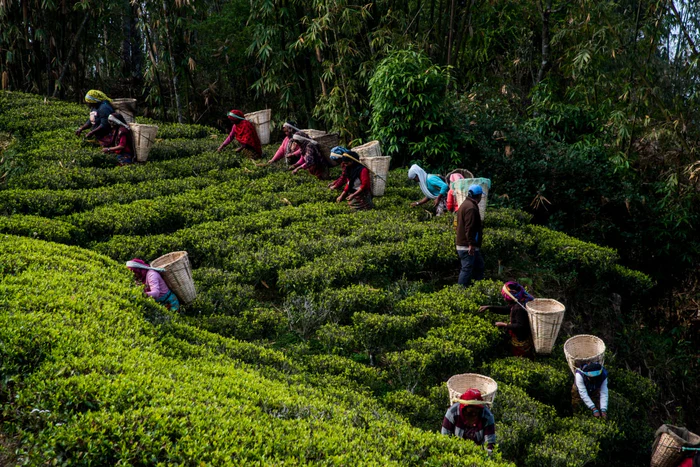
The sector is already under pressure. Production declined by up to 30 percent last year due to pest infestations, while export volumes have also dropped in the current fiscal period. India remains Nepal’s largest tea market, accounting for the majority of shipments.
Facing uncertainty, Nepali producers are increasingly exploring alternative markets such as China, where demand for specialty teas is growing and tariff benefits are available. However, exporters say shifting markets will take time and investment.
With structural challenges persisting including pricing dependence on Indian buyers and lack of domestic auction systems the latest restrictions are expected to further complicate prospects for Nepal’s tea industry.
BOB Post