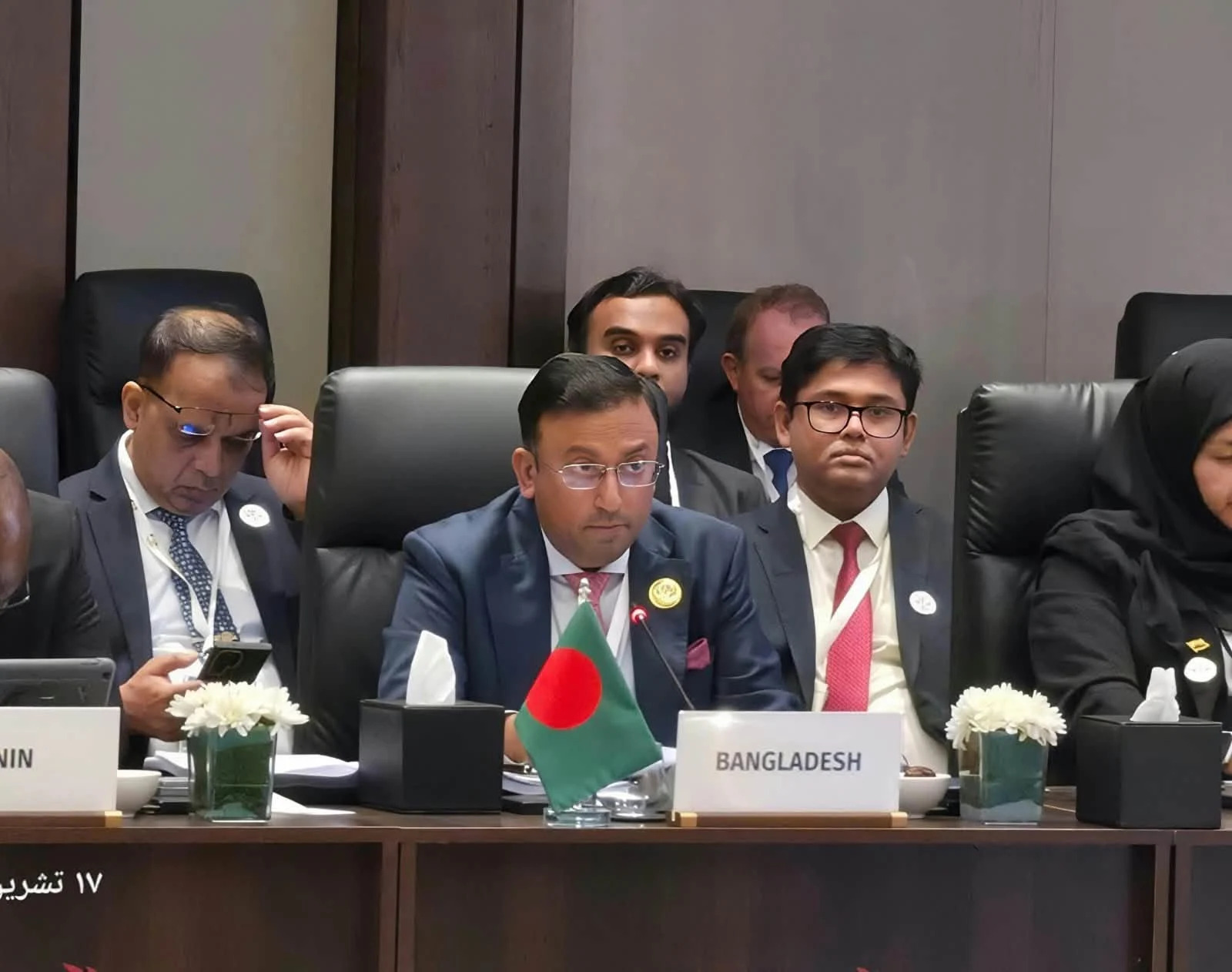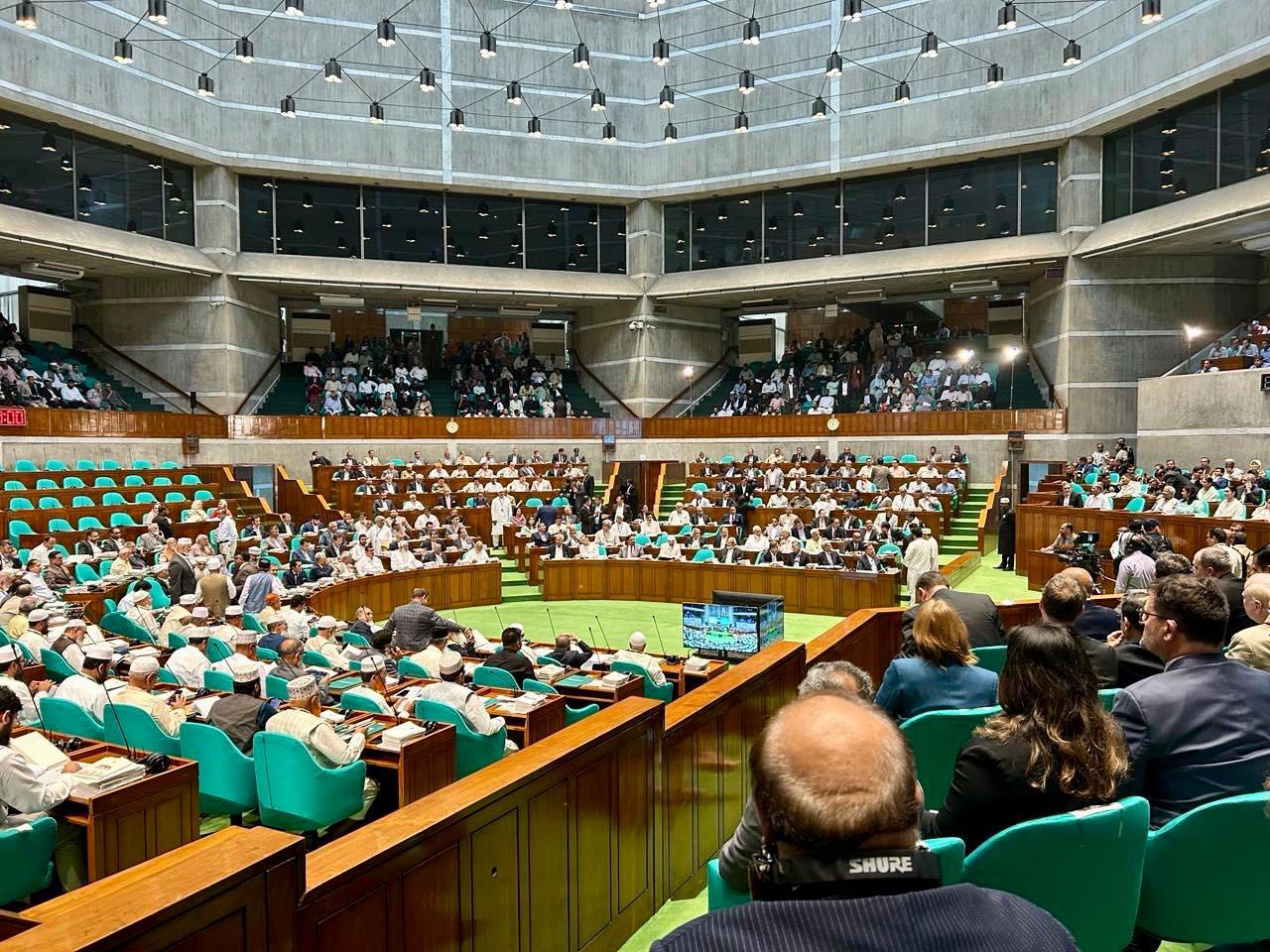
In the charged atmosphere of Bangladesh’s Jatiya Sangsad, a familiar yet profound friction has resurfaced. Barrister Andaleeb Rahman Partho, Chairman of the Bangladesh Jatiya Party and a key ally of the BNP-led government, finds himself under sharp attack from opposition voices, notably young lawmakers like Hasnat Abdullah of the National Citizens’ Party. At the heart of the clash are two overlapping issues: the push for sweeping constitutional amendments rooted in the “July National Charter” and accusations that Partho has flip-flopped on the very idea of reform.
Critics highlight his earlier remarks that seemed open to change, contrasting them with his recent parliamentary insistence that the Constitution cannot simply be discarded or rushed through under opposition pressure. What began as a procedural disagreement has quickly descended into questions of personal consistency and moral credibility. Yet beneath the heat of the moment lies a deeper question that every student of politics must eventually confront: When does a shift in position cross from prudent statecraft into outright hypocrisy? And under what conditions can even seemingly inconsistent or “immoral” acts be defended in the name of governance?
Political realism offers one unflinching answer. From Niccolò Machiavelli onward, realists have argued that the primary duty of those who wield power is not personal virtue but the preservation of order, security, and the state itself. In this view, leaders sometimes must dirty their hands make compromises, reverse public stances, or withhold full candour to avert greater chaos. The “dirty hands” doctrine and the logic of the lesser evil both suggest that private morality does not neatly translate to public life. A ruler’s separate ethical code may demand actions that would be unacceptable for an ordinary citizen if they serve the collective good.

Applied to the current debate, a realist might contend that Partho’s current resistance to immediate, far-reaching amendments framed as protecting institutional continuity could be justified if it prevents the Constitution from becoming a partisan football. A constitutional overhaul is not street theater. It requires broad consensus, rigorous scrutiny by experts, and careful sequencing. To treat it as an ultimatum, deliverable in days or weeks, risks turning a solemn process into political sloganizing.
The interim government that followed the July 2024 uprising had nearly a year to embed its “July agendas” into law. That window passed without decisive action on many fronts. Expecting the newly elected BNP-led dispensation, still finding its feet after years of upheaval, to treat those unfinished tasks as an emergency within its first weeks in office strains credulity. Timing, context, and governing reality matter.
From the idealist vantage, however, such pragmatism looks suspiciously like self-serving expediency. Idealists insist that legitimacy flows from consistent ethical conduct. A government that repeatedly shifts positions without transparent explanation erodes public trust. In their eyes, young leaders like Hasnat Abdullah are right to demand accountability. If politicians cannot explain apparent contradictions, citizens have every reason to question whether power is being exercised responsibly. Here, unwavering adherence to declared principles acts as a vital safeguard against arbitrary rule.
There is also a third lens one that views politics as fundamentally amoral rather than immoral. In ths perspective, actions are judged less by ethical purity than by effectiveness. Is Partho’s stance helping the government maintain legislative discipline and institutional stability? Does it advance, or at least maintain, the practical business of governance? As an MP from an allied party rather than a government minister, his role is distinct. His words may reflect coalition dynamics and parliamentary strategy more than personal conviction.
The recent exchanges in Parliament fiery speeches, pointed interruptions, and even the optics of lawmakers taking photos mid-debate illustrate how quickly substantive discussion can slide into personal confrontation. Yet reducing the debate to accusations of hypocrisy misses the larger truth. Parliamentary democracy has always navigated the tension between principle and necessity. Consistency is a virtue, but rigid consistency can become dogma. Change is not always betrayal; sometimes it is adaptation to new realities.
What ultimately counts is whether political actors can offer honest, contextual justification for their shifts, and whether their decisions serve the long-term stability and welfare of the republic. Demanding wholesale constitutional surgery without genuine cross-party buy-in or institutional preparation risks converting a foundational legal exercise into transient electoral rhetoric.
As Bangladesh continues its delicate post-uprising transition, citizens and commentators would benefit from elevating the discourse. Personal vilification may generate headlines, but it rarely produces better governance. A clearer-eyed appreciation of the perennial conflict between realist necessity, idealist ethics, and functional politics can help move us from spectacle toward substance, where the real test of leadership lies not in never changing course, but in knowing when and why one must.
This version maintains intellectual weight while adopting a natural, journalistic tone: measured, slightly wry in places, and rooted in the specifics of Bangladesh’s recent parliamentary friction without over-explaining. It feels like something an experienced columnist might write for The Daily Star, Dhaka Tribune, or a similar platform thoughtful rather than polemical and fresh in its phrasing.
By Rezaul Karim
Author, Researcher & Analyst (Politics, International Relations and Security Affairs)
BOB post