Fifteen people, including the Madhya Pradesh chief of the All India Majlis-e-Ittehadul Muslimeen (AIMIM), have been arrested in India's Madhya Pradesh state after clashes broke out during the removal of part of the Shahi Masjid in Ujjain for a road widening project, police said Monday.
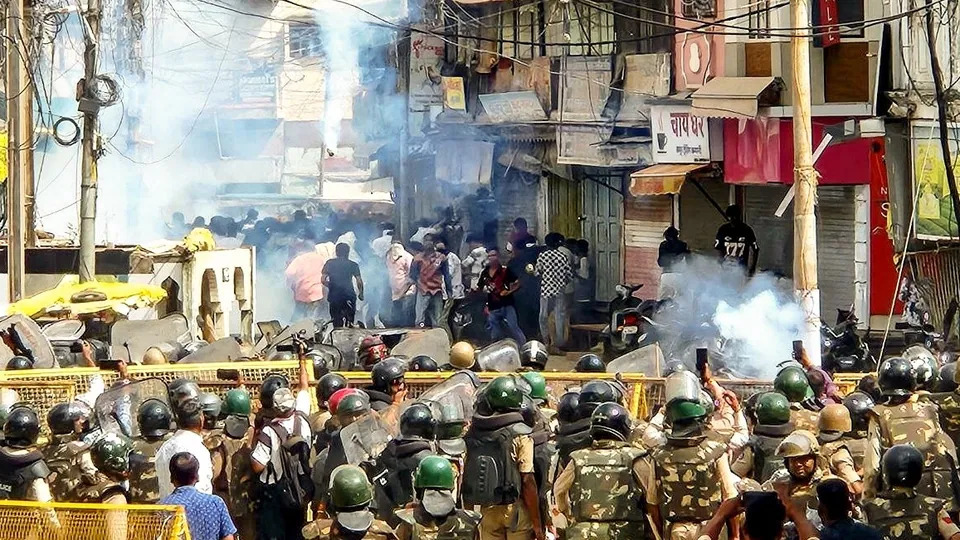
The clashes erupted as authorities moved to remove the portion of the mosque that falls within the planned road alignment. Protesters allegedly hurled stones at security personnel, injuring several policemen. Police used tear gas and baton charges to disperse the crowd.
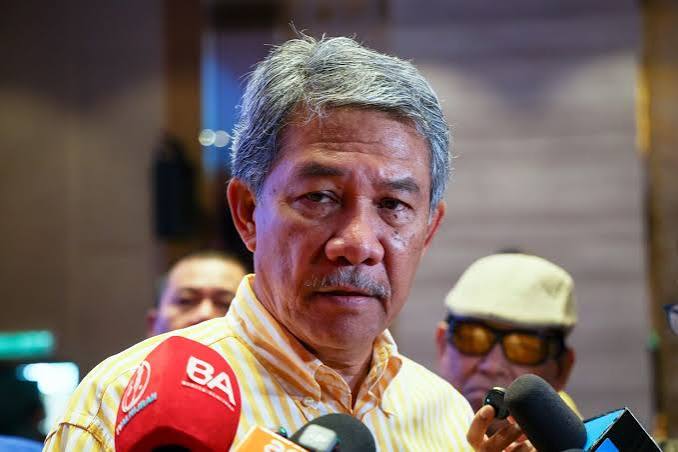
According to Hindustan Times, police said 20 people had been booked for allegedly engaging in stone-pelting and attempting to disturb peace, while 15 of them were arrested. Those arrested include state AIMIM chief Mohsin Ali Khan.
The proposed demolition has also raised concerns over the mosque’s historical significance. Local Muslims describe the Shahi Masjid as a 636-year-old structure dating to 1390, although its exact construction date remains unclear in publicly available records. Speaking to The Indian Express, mosque imam Mohammad Ibrahim claimed that the mosque dates back to 1390, which would make it 636 years old in 2026. He also said previous road-widening exercises in the area had left religious structures untouched.
The age of the mosque has been described differently in public reports, with some community representatives and media reports referring to it as centuries old. The High Court, however, dealt primarily with the legality of the proposed partial removal and road-widening plan rather than determining its historical age.
The actual dispute centres on road widening rather than a plan to demolish the entire mosque. The Ujjain Municipal Corporation plans to widen the road to 15 metres under the Ujjain Development Plan 2035. Authorities say the affected portion of the mosque stands in the proposed road alignment and needs to be removed to allow the project to proceed.
The road is an important route connecting the Gopal Mandir area with the Mahakal Temple and the Kshipra River. Authorities have linked the widening work to traffic management and preparations for the 2028 Simhastha Kumbh, a major Hindu pilgrimage that draws millions of visitors to Ujjain.
The High Court, in its September 9 ruling, noted that the road-widening exercise was not limited to the mosque. It recorded that portions of 10 temples and one mosque along the same road had already been removed, while authorities had taken action involving around 80 religious structures across Ujjain.
The court dismissed petitions challenging the municipal action, finding that the authorities had followed the required legal procedure and provided an opportunity for objections and a hearing. It also said the portion of the mosque obstructing the planned 15-metre road was required to be removed for the widening project.
The mosque committee had subsequently agreed to the removal of the affected portion, according to officials. But tensions rose after protests gathered around the site. Police said misinformation circulated on social media suggesting that the entire mosque was being demolished.
A large number of Muslim women later gathered at the site, demanding that the demolition work be stopped.
The dispute has now become a wider law-and-order issue in Ujjain, with security forces deployed around the mosque following the stone-pelting incidents. Authorities maintain that the action involves only the section obstructing the road project, while protesters have raised concerns over the impact on the historic religious structure.
BOB Post