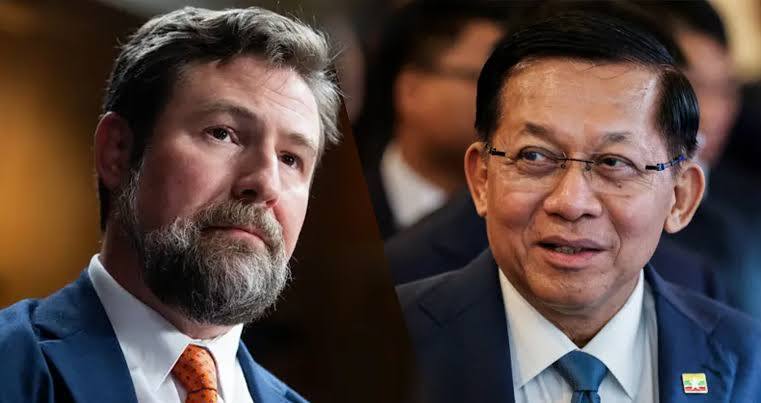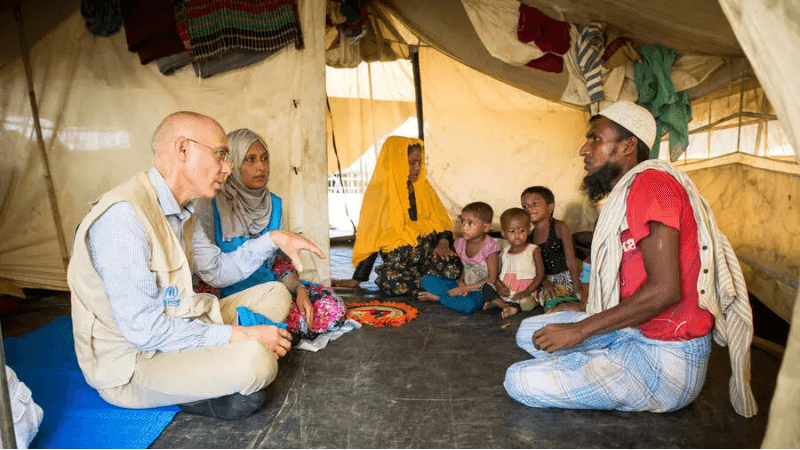
The United Nations High Commissioner for Human Rights, Volker Türk, expressed grave concerns about the protracted situation of Rohingya refugees in Bangladesh, stating that "there is no prospect of safe, sustainable return" to Myanmar at present. His statement comes amidst growing international pressure for a solution to the ongoing humanitarian crisis, with over 1 million Rohingya refugees residing in Bangladesh for years.
Mr. Türk highlighted the deteriorating situation within Myanmar, emphasizing the ongoing violence and displacement of civilians. He noted that the military junta's control has weakened, but the resulting instability has further jeopardized the safety of Rohingya communities. He stressed the need for "intensified efforts by the international community" to address the root causes of the crisis and create a conducive environment for a voluntary return.
International Response and Challenges
The international community, including the UN and concerned governments, has expressed commitment to supporting the Rohingya people. However, significant challenges remain, including:
Limited access to Myanmar: Humanitarian access to Rakhine State, where the majority of Rohingya originate, remains restricted, hindering efforts to assess the situation and provide assistance.
Lack of accountability: The Myanmar military has not been held accountable for its human rights violations against the Rohingya, creating a climate of fear and hindering trust necessary for potential return.
Limited resources: The influx of refugees has placed immense strain on Bangladesh's resources, requiring ongoing international support to provide basic necessities and services.
Bangladesh has shown remarkable commitment to hosting and providing humanitarian assistance to the Rohingya refugees. The government has established refugee camps and provided access to food, shelter, healthcare, and education. However, the long-term presence of such a large refugee population poses significant challenges for Bangladesh's social and economic development.
Need for Sustainable Solutions. While Mr. Türk's statement acknowledges the challenges, it also emphasizes the urgency of finding sustainable solutions.
The international community must work collaboratively to:
Increase pressure on the Myanmar military: International pressure, including targeted sanctions, can incentivize the military to address human rights violations and create conditions for a safe return.
Support for Rohingya refugees: Continued support is crucial to ensure the well-being of refugees in Bangladesh, including access to education, healthcare, and livelihood opportunities.
Long-term solutions: Exploring options for resettlement or reintegration in third countries must be considered alongside voluntary return to Myanmar when the conditions are conducive.
The ongoing Rohingya crisis necessitates a multifaceted approach involving coordinated efforts from the international community, Bangladesh, and Myanmar. A sustainable solution requires addressing the root causes of the crisis, ensuring accountability for human rights violations, and creating a safe and dignified environment for Rohingya refugees to return home or find alternative pathways to safety and security.
BOB Post