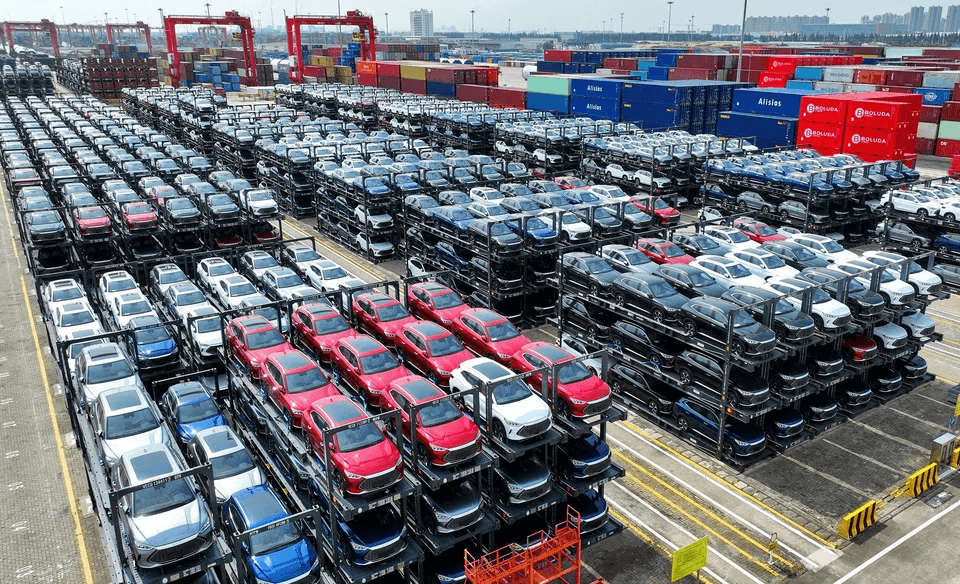
Electric vehicle (EV) sales are surging across Southeast Asia as soaring fuel prices triggered by the ongoing Middle East conflict push cost-conscious consumers to abandon petrol-powered cars in favor of cheaper, cleaner alternatives.
Supply disruptions and rising global prices have severely impacted the region, which heavily relies on imported crude oil. Crude has climbed roughly 50 percent since the conflict began, crossing $100 per barrel again this week, squeezing household budgets and reshaping consumer behavior.
In Vietnam, local automaker VinFast is emerging as a major beneficiary of the shift. The company reported a 127 percent jump in domestic sales in March, delivering around 27,600 vehicles. Electric cars now account for roughly 40 percent of all car sales in the country, a figure that continues to rise rapidly.
At showrooms in Hanoi, customers say the math is simple: fuel savings outweigh upfront costs. Many families that already own petrol vehicles are now considering EVs to cut monthly expenses. Dealers report a sharp increase in foot traffic, with more than half of recent buyers switching directly from internal combustion engines.

The trend is not limited to Vietnam. Chinese EV giant BYD is expanding aggressively across the region, capitalizing on the shifting market. At the Bangkok International Motor Show, BYD overtook Toyota in total orders for the first time, signaling a major in Southeast Asia’s traditionally Japan-dominated auto market.
In the Philippines, dealerships report unprecedented demand, with monthly inventories selling out quickly as buyers rush to lock in purchases before fuel costs climb further. Similar patterns are emerging in Thailand and Indonesia, where daily commuters are increasingly drawn to EVs for long-term savings.
According to analysts, the surge reflects a direct consumer response to volatile fuel markets. “When petrol and diesel prices spike suddenly, it forces buyers to rethink long-term costs,” said an energy analyst at Ember, noting that economic pressure is accelerating the transition faster than policy alone.
Regional momentum is also being reinforced by policy support and infrastructure growth. Governments across Southeast Asia are ramping up investment in charging networks and EV ecosystems. Indonesia recently pledged stronger measures to accelerate EV adoption as part of efforts to curb high energy consumption and reduce reliance on imported fuel.
According to the Asia News Network, the current fuel crisis is acting as a “tipping point” for EV adoption across Southeast Asia, where affordability and energy security concerns are now aligning with environmental goals.
Beyond the region, global EV demand is also gaining pace. Registrations in countries such as Japan, South Korea, and New Zealand more than doubled in March, while markets like India and Australia recorded growth exceeding 50 percent.
With Chinese exports of electric vehicles doubling year-on-year in March, Southeast Asia is fast becoming a key battleground for global EV makers. For millions of consumers facing uncertain fuel costs, the shift to electric is no longer just about sustainability; it’s increasingly about survival economics.
BOB Post