The world isn't just burning; it’s monetizing the flames. Crisis has become the sharpest tool in the geopolitical kit: it buys legitimacy, distracts from failure, pulls in aid, and rallies fractured societies. In South Asia, this currency circulates fastest, where overlapping disasters political upheaval, border flare-ups, civil wars, and climate shocks turn suffering into strategic leverage.
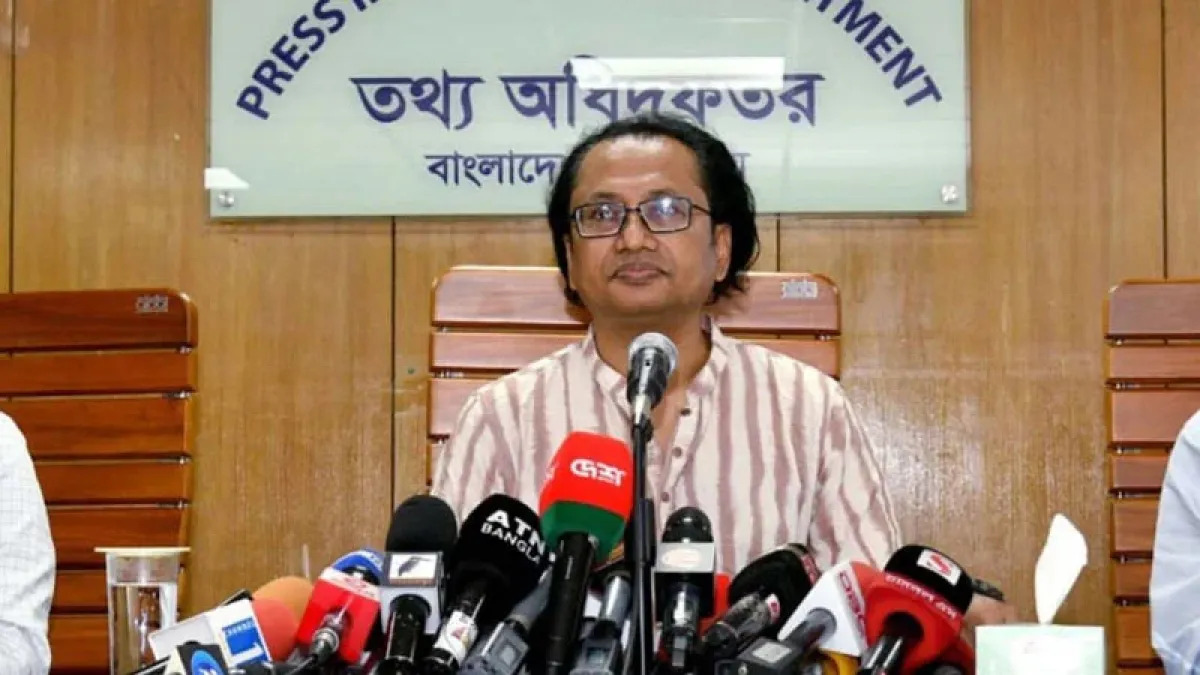
Bangladesh sits at the epicenter. The assassination of student activist Sharif Osman Hadi last month sparked riots, anti-India arson, and communal violence. With elections weeks away, the interim setup under Yunus faces a perfect storm: radical elements exploit the anger, anti-foreign sentiment surges, and the chaos distracts from deeper economic rot. Crisis here doesn't weaken power it sharpens it for whoever can channel the fury.
India, the regional anchor, absorbs the blowback. Diplomatic families pulled out of Dhaka signal real fear, while Maoist clashes in Chhattisgarh remind everyone that old insurgencies justify endless security budgets. Modi's team has mastered the art: frame internal threats as national survival, rally votes, and sidestep questions about slowing growth and joblessness.
The human cost bleeds across borders. Over 3 million people are internally displaced, compounded by natural disasters like the devastating March 2025 earthquake. In Rakhine State, escalating violence between the junta, the Arakan Army, and emerging Rohingya armed groups has driven fresh waves of refugeesup to 200,000 more Rohingya fleeing into Bangladesh since early 2024. Cox's Bazar camps, already home to over a million, strain under the influx, fueling local tensions and maritime risks.

For Bangladesh, this isn't abstract geopolitics it's a direct security and humanitarian burden, with fears of insurgency spillover and intercommunal strife. The junta leverages the chaos to demand recognition and aid, while resistance groups use the instability to recruit and regroup. Crisis pays dividends: it keeps rivals divided, attracts selective foreign backing (China and Russia remain key arms suppliers), and postpones real accountability.
Pakistan plays the same game on steroids. Border strikes into Afghanistan keep the military elite indispensable securing foreign cash, bloating defense spending, and papering over domestic cracks like Imran Khan's imprisonment and economic freefall. Militant boasts and drone exchanges along the LoC turn perpetual tension into political glue.
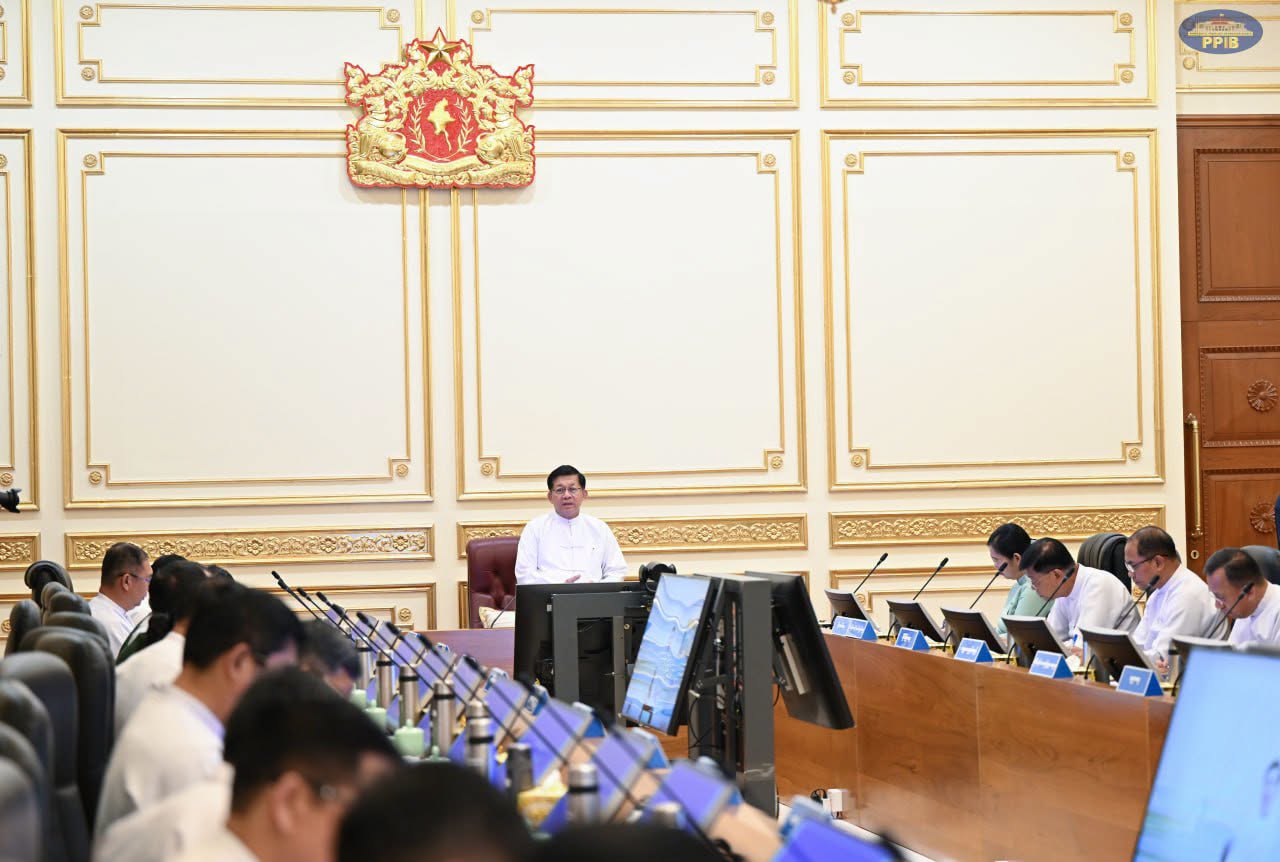
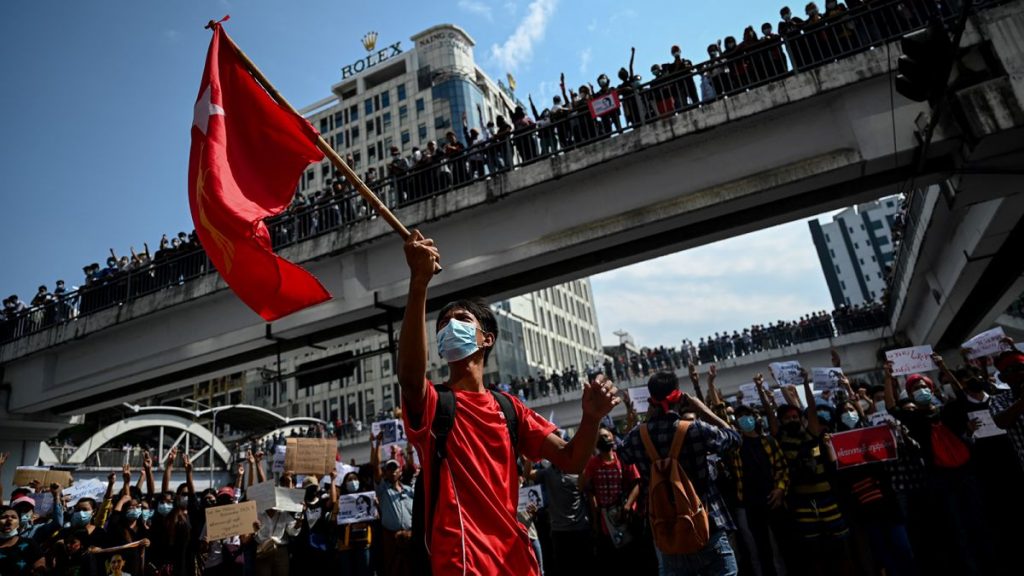
Myanmar's sham elections phased, rigged, and boycotted take the playbook to another level. The junta's multi-stage farce, with voting canceled in insecure zones and opposition crushed, is pure theater for legitimacy. It changes nothing on the ground: civil war rages, airstrikes kill civilians, and Rakhine violence displaces tens of thousands more Rohingya into Bangladesh's already bursting camps. Dhaka gets saddled with another 150,000–200,000 refugees since 2024, fueling local resentment and security headaches. The generals use the instability to demand recognition and arms (mostly from China and Russia), while resistance groups recruit in the vacuum. For neighbors, it's spillover gold: Bangladesh presses for regional pressure, India watches migration flows warily.
Afghanistan layers on more fuel. Taliban rule amid famine risks and ISIS attacks keeps the regime bargaining for survival recognition in exchange for containing terror exports. Pakistan's accusations and retaliatory strikes only deepen the deadlock.
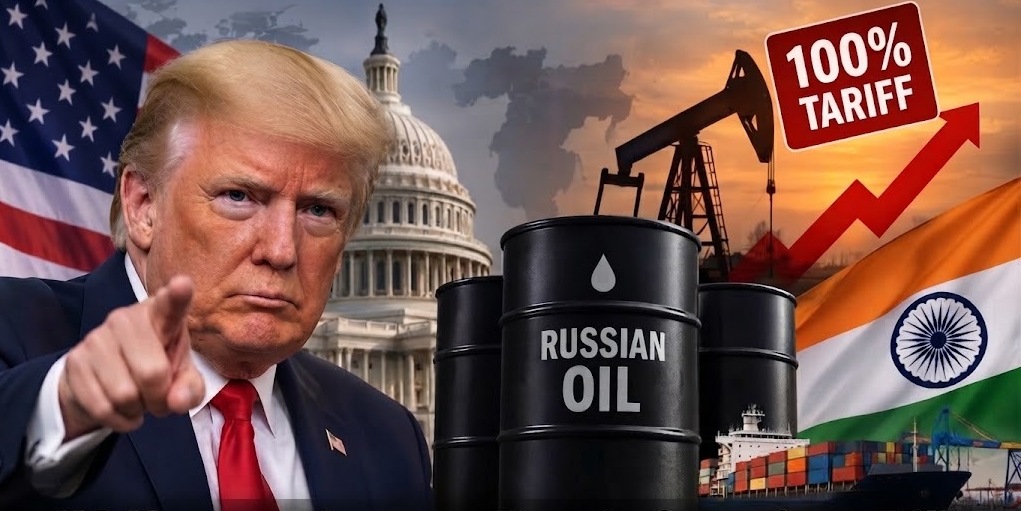
Globally, the pattern holds. Sudan's civil war starves millions, Ukraine grinds on, Gaza's ruins displace generations each feeding vetoes, alliances, and aid flows. Trump's America First redux shreds multilateralism, leaving climate-vulnerable states scrambling as La Niña floods hit harder and hunger grips 295 million.
In South Asia, climate multiplies everything: rising seas swallow Bangladesh deltas, pushing migrants against India's fences; Myanmar's earthquake aftermath and floods compound displacement. Crisis pays because it delays accountability, attracts dollars, and forges unlikely partnerships.
The tragedy is simple: ordinary people from Dhaka's burned streets to Cox's Bazar camps, Rakhine's razed villages, and Kabul's bombed markets pay the price in blood and lost futures. Leaders cash the checks.
Until human lives outweigh political profit, the fire rages and someone always profits.
BOB Post