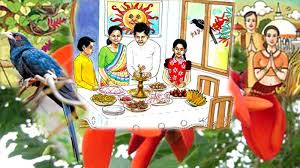
Sri Lanka ushered in the Sinhala and Tamil New Year on Tuesday, April 14, 2026, as communities across the island embraced a day filled with centuries-old rituals and cultural traditions.
The New Year officially dawned at 9:32 a.m., marked by the sun’s transition from Meena Rashiya (Pisces) to Mesha Rashiya (Aries), an astrological shift believed to symbolize renewal, prosperity, and fresh beginnings. This celestial moment holds deep significance for both Sinhala and Tamil communities, who observe the day with carefully timed ceremonies.
The auspicious Punya Kaalaya began earlier at 3:08 a.m., encouraging people to temporarily set aside routine activities and devote the period to religious observances, reflection, and preparation for the New Year. The spiritually significant interval continued until 3:56 p.m., guiding households on when to perform key rituals.
Among the most important customs, families lit the hearth at 10:51 a.m., traditionally dressed in red and facing south while preparing the first meal of the year. Milk rice, sweets, and curd were cooked as part of the ceremonial menu, symbolizing unity and abundance.
The boiling of milk, a central ritual of the celebration, represented hopes for prosperity and good fortune in the coming year. As the milk overflowed, it signified blessings and growth for households across the country.
The day’s observances culminated at 12:06 p.m., when families began their first meal, initiated work, and conducted financial transactions, marking an auspicious start to the year ahead. Gatherings of relatives and neighbors highlighted the festive atmosphere, reinforcing the spirit of renewal and cultural heritage that defines the Sinhala and Tamil New Year.
BOB Post