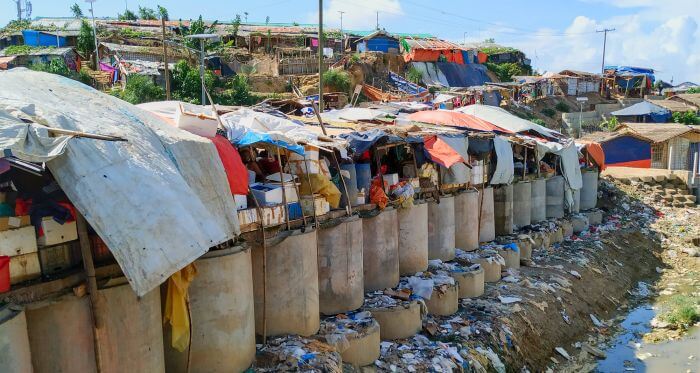
Sweden has announced a new contribution of $2.9 million to strengthen clean energy access and environmental recovery efforts for Rohingya refugees living in camps in Bangladesh, the UN refugee agency said.
The funding will support the SAFE+2 programme, a UN-led initiative aimed at reducing reliance on firewood by expanding access to clean cooking solutions, particularly liquefied petroleum gas (LPG). Alongside clean energy, the programme also prioritises reforestation, environmental protection, and green skills training for refugees and host communities. According to ScandAsia, the initiative is designed to ease environmental pressure on host areas while improving safety, health, and livelihoods for displaced Rohingya families.

SAFE+2 is jointly implemented by UNHCR, the Food and Agriculture Organization (FAO), the International Organization for Migration (IOM), and the World Food Programme (WFP), in close coordination with the Government of Bangladesh.
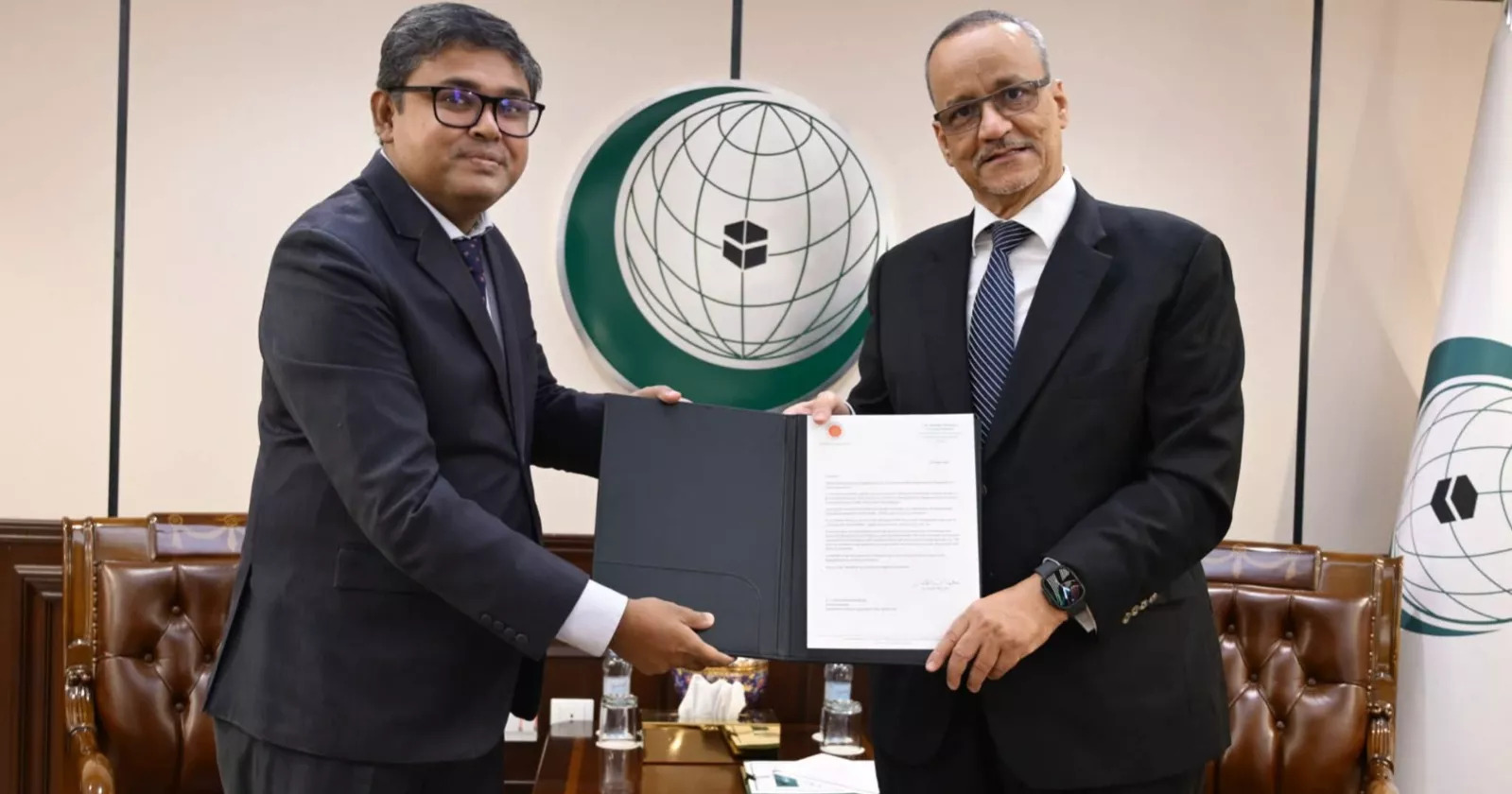
UNHCR officials in Bangladesh said the assistance comes at a critical time, as humanitarian needs in the Rohingya camps remain acute while overall funding for refugee operations continues to decline. Access to clean cooking fuel, they noted, is essential to protecting forests, improving health and safety especially for women and reducing environmental degradation around the camps.
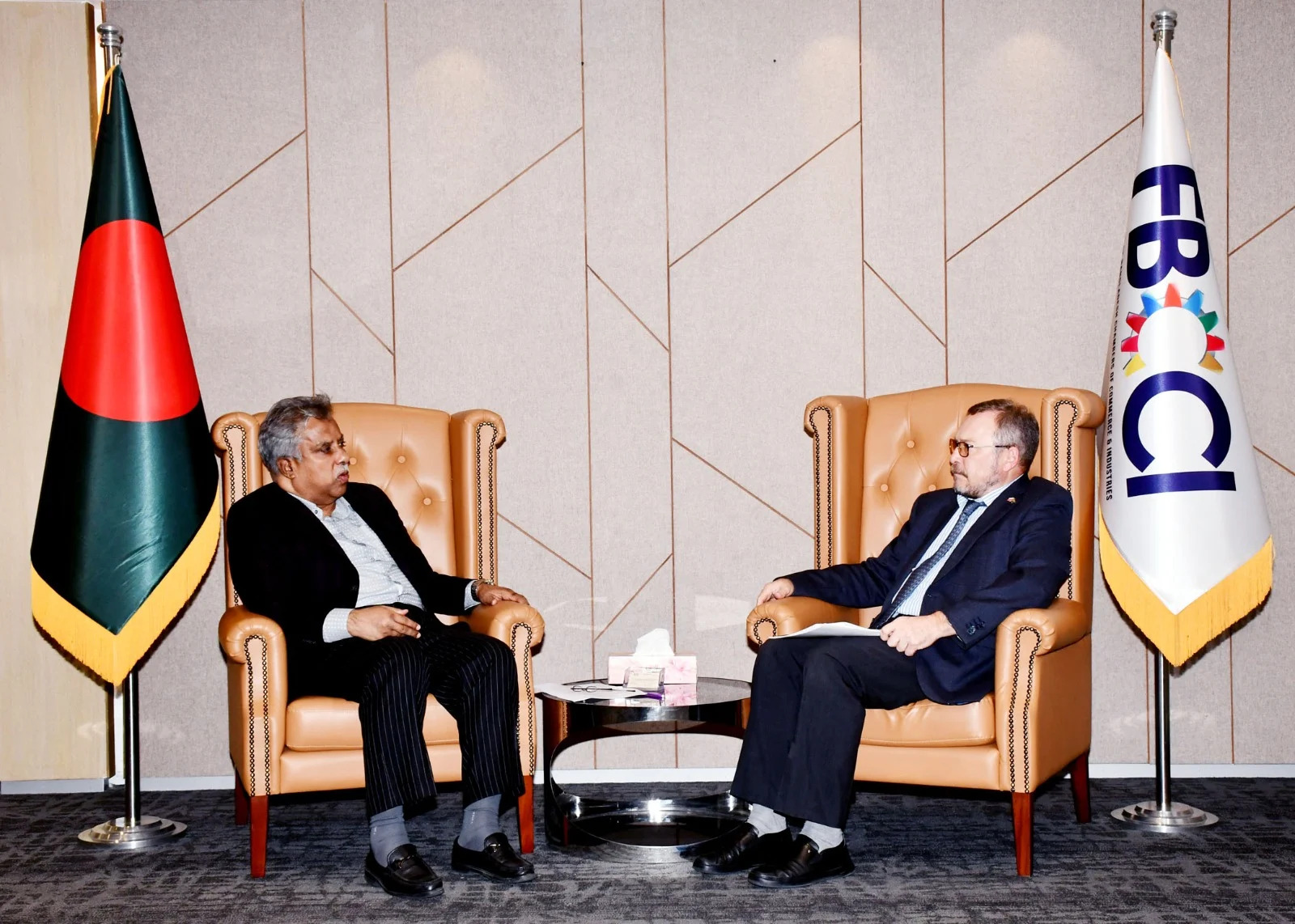
Sweden’s ambassador to Bangladesh said the contribution would help ensure that refugee families can continue using cleaner and safer cooking fuels, limiting pressure on surrounding forests and supporting sustainable living conditions.
With the latest pledge, Sweden’s total support to the SAFE+2 initiative and its predecessor SAFE+ has reached $23.5 million, reinforcing its long-term commitment to environmental sustainability and humanitarian assistance for Rohingya refugees in Bangladesh.
BOB Post