Thailand has urged China to help suspend mining operations in northeastern Myanmar for at least six months to contain arsenic pollution crossing the border. The contamination has raised concerns over water safety, farmland and public health in communities downstream.
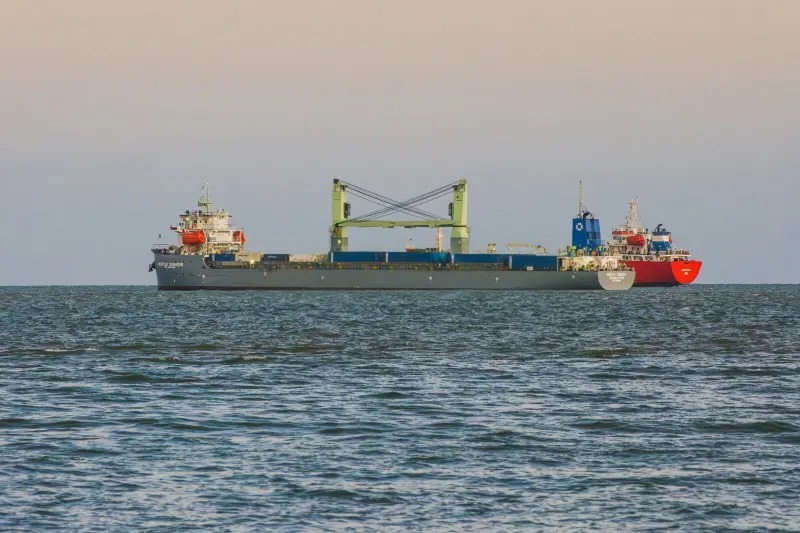
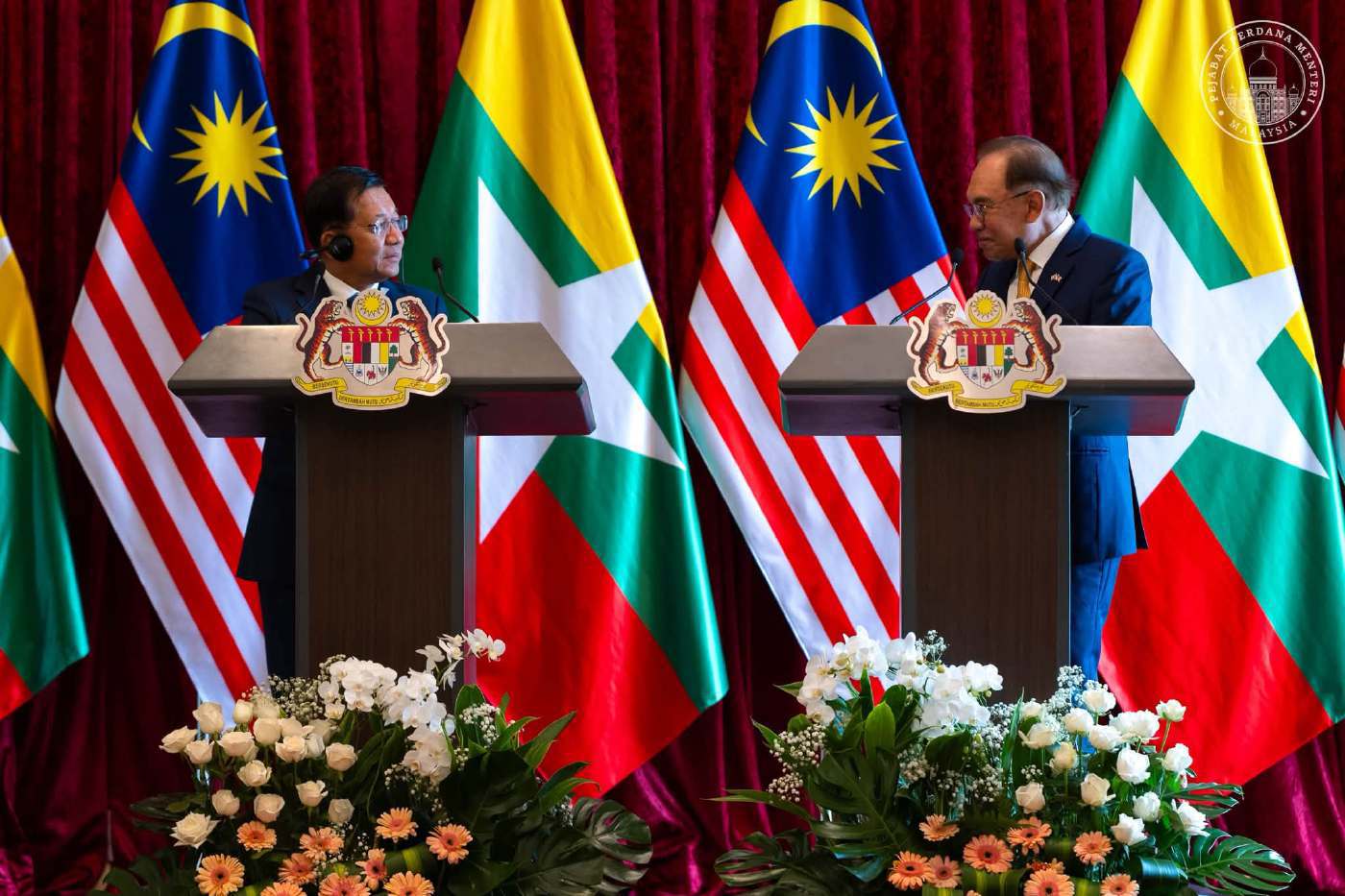
The proposal was raised during trilateral talks involving Thailand, China and Myanmar on Tuesday. Bangkok wants Beijing to help identify and halt mining activities in Shan State, where Chinese companies reportedly operate several mines and export much of their mineral output to China.
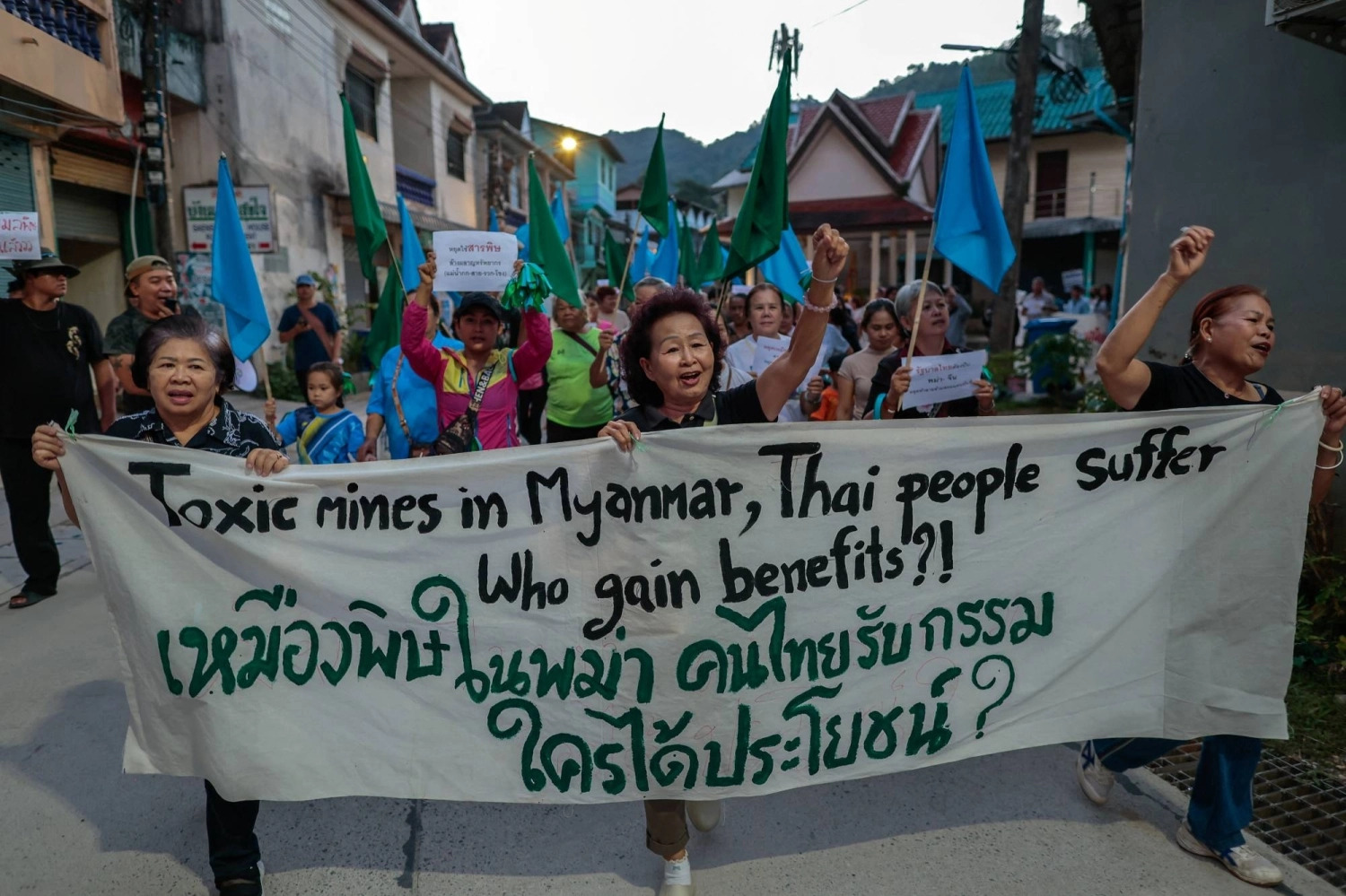
According to The Japan Times, officials from the three countries agreed that mining activities in Shan State were responsible for arsenic contamination detected in Thailand’s Kok and Sai rivers. Pollution levels have reportedly reached 30 times Thailand’s safety standards, raising concerns over drinking water, agricultural land and public health.
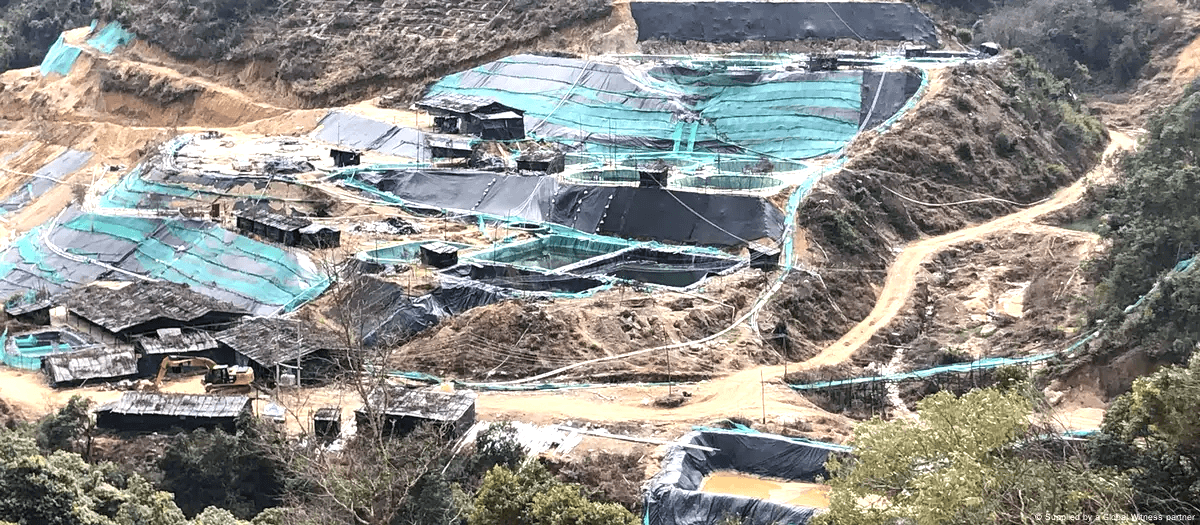
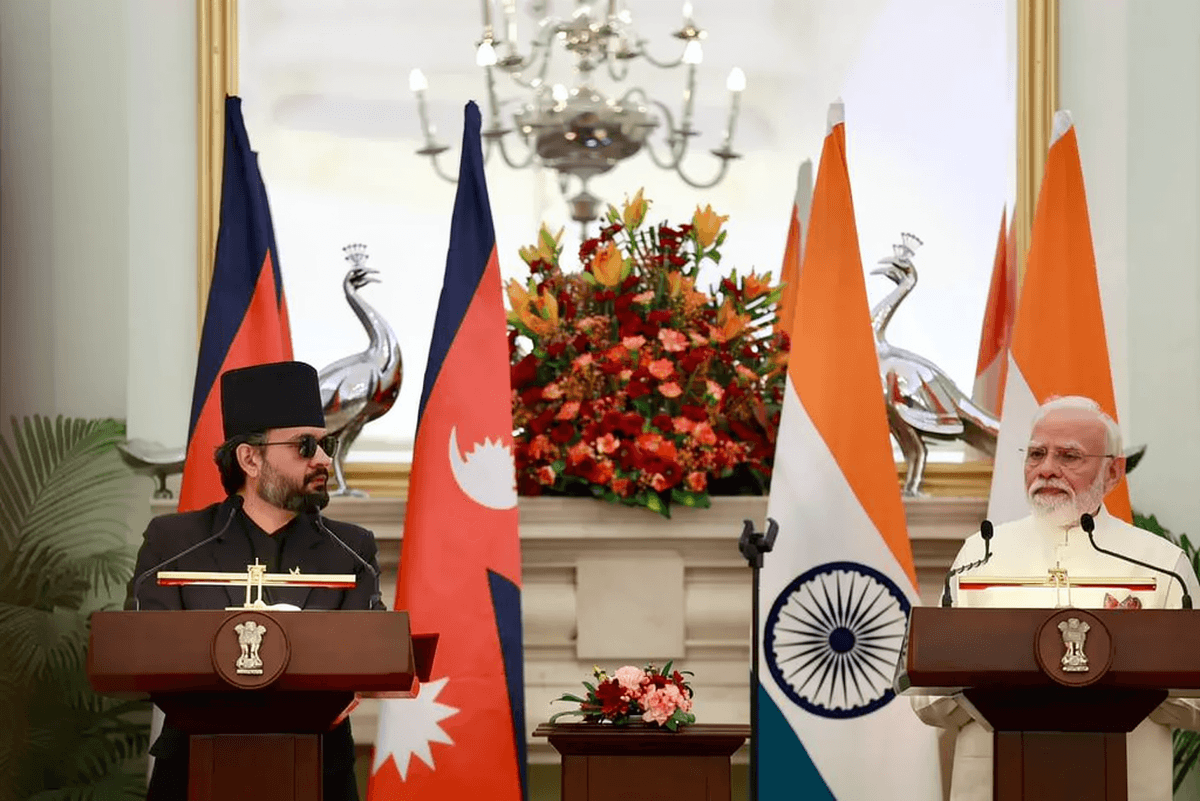
Thai Foreign Minister Sihasak Phuangketkeow said China acknowledged that private Chinese companies were operating mines in the affected areas. Bangkok has also asked Beijing to identify the mining sites and trace the minerals extracted from them.
Science and Research Minister Yodchanan Wongsawat said most of the rare earth minerals produced at these sites were transported to China. He warned that the contamination issue could have wider implications for international supply chains if the minerals entered global manufacturing networks.
Thailand is also considering restrictions on the supply of chemicals used in rare-earth mining in Myanmar. The government plans to prohibit exports and transit shipments of these substances, although the proposal is still under legal review.
Officials said around 70 to 80 per cent of the mining chemicals under examination are transported from Thailand to Myanmar. Authorities are also investigating other substances that could be placed under export controls.
Thai security officials have warned that unregistered mines and abandoned mining sites could be worsening the pollution. Chaipruak Doungprapat, secretary-general of Thailand’s National Security Council, said rainwater could carry mining waste into surrounding soil and waterways.
The issue was also raised by Thai Prime Minister Anutin Charnvirakul during his meeting with Chinese President Xi Jinping on November 20. Beijing reportedly pledged technical assistance to strengthen water-quality monitoring.
Thailand is now seeking greater transparency over the companies involved in the mining operations. Yodchanan said he supported making their identities public following further discussions with Chinese and Myanmar authorities.
A joint working group between Thailand and Myanmar is scheduled to meet on Wednesday and Thursday to prepare an action plan. The discussions will focus on immediate steps to contain pollution, possible mining regulations and technical support from laboratories in Thailand and China.
Thailand also plans to establish eight water-monitoring stations, including four inside Myanmar and four on its own territory. Around 20 additional monitoring points are expected along affected rivers and tributaries.
As an immediate protective measure, Bangkok will designate more than 150 kilometres of the Kok River as a pollution-control zone from December 2. Authorities are also preparing alternative water supplies for nearly 20,000 residents in Chiang Rai province.
The proposed six-month mining suspension is intended to give authorities time to investigate contamination sources and prevent further pollution from reaching communities downstream.
BOB Post