In the shadows of Myanmar's tumultuous history lies a humanitarian crisis that demands the immediate attention of the global community – the plight of the Rohingya. This Muslim minority group has endured decades of persecution and violence, leaving them in a perpetual state of an identity crisis since Myanmar gained independence. The gravity of the situation has only intensified in recent years, as the world bears witness to a crisis that transcends borders and humanity's collective conscience.
The Rohingya have faced an egregious array of human rights abuses, ranging from forced displacement and arbitrary detention to torture and extrajudicial killings. The United Nations has labeled the situation as a "textbook example of ethnic cleansing," shedding light on the gravity of the atrocities being committed against this vulnerable community. The cries of the Rohingya echo across borders as they are forced to flee their homes, seeking refuge in neighboring countries like Bangladesh, India, and Thailand.
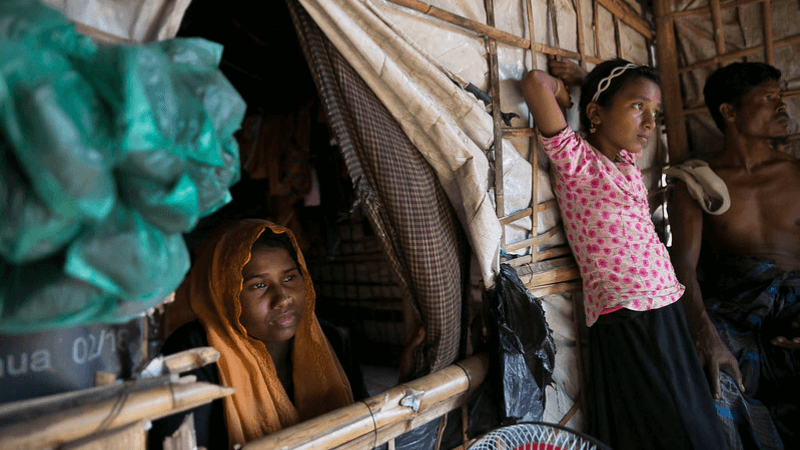
The journey to safety is treacherous, with many Rohingya perishing in their quest for a secure haven. Those who manage to survive are confronted with squalid conditions, deprived of basic necessities such as food, water, and medical care. The urgency of the situation cannot be overstated, as each passing day sees the further erosion of the dignity and rights of the Rohingya.
It is a collective responsibility of the international community to intervene, to provide not only immediate humanitarian assistance but also to address the root causes of this crisis. The Myanmar government must be held accountable for its actions, and mechanisms should be put in place to ensure the safe and voluntary return of the Rohingya to their homes.
The urgency lies not just in the immediate relief efforts but in a sustained commitment to restoring the homes and lives of the Rohingya. Their suffering has persisted for far too long, and it is high time for the global community to move beyond rhetoric and take concrete actions to protect the human rights of the Rohingya.
As global citizens, we bear the responsibility of ensuring that the Rohingya can return to their homes, not as refugees, but as rightful inhabitants with the assurance of safety and dignity. The urgency of this matter demands a unified front against the forces perpetuating this crisis, emphasizing the need for diplomatic, political, and humanitarian efforts to forge a path toward justice and healing.
Inaction is not an option. The urgency is now. The Rohingya cannot wait any longer for the world to recognize their plight and act decisively. It is time for the international community to rally together, to extend a hand of compassion and justice, and to pave the way for the Rohingya to reclaim their homes and rebuild their lives. Only then can we truly say that we have fulfilled our duty as global citizens to protect the fundamental human rights of all.
BOB Post