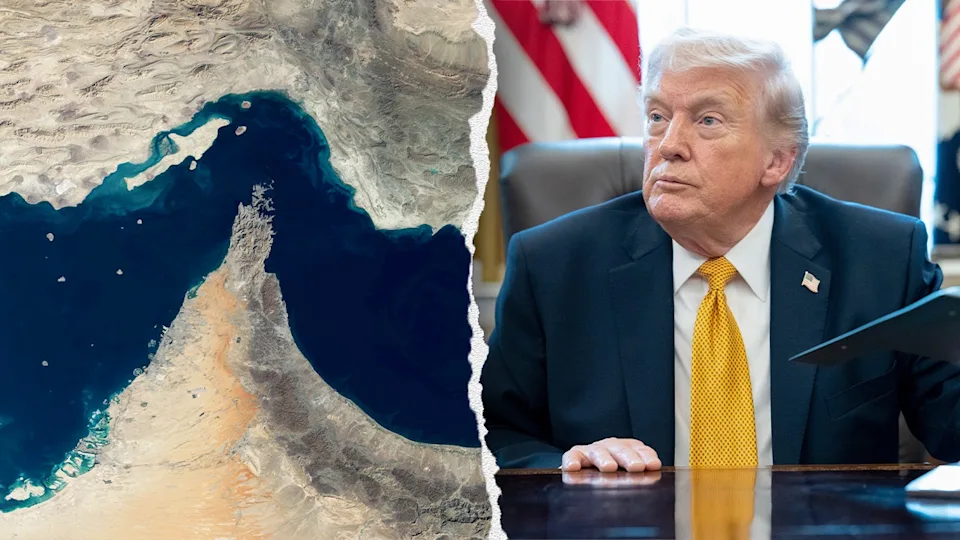
Tensions in the Middle East escalated sharply after Donald Trump ordered a naval blockade of the Strait of Hormuz, following the collapse of high-level negotiations between Washington and Tehran in Islamabad.
The announcement came just hours after more than 20 hours of intensive talks ended without agreement, marking a dramatic shift from diplomacy to direct pressure. Trump said the US Navy would “immediately” begin intercepting vessels in international waters suspected of paying transit fees to Iran, warning that such ships would no longer be guaranteed safe passage.
The Strait of Hormuz is one of the world’s most critical maritime chokepoints, through which a significant share of global oil shipments passes. Analysts warn that any disruption there could have far-reaching economic and security consequences.
According to Euronews, the move signals a “dangerous escalation” in an already volatile standoff, raising concerns among international observers that the situation could spiral into broader regional confrontation if restraint is not maintained.
US Vice President JD Vance described the talks as a missed opportunity, placing the blame squarely on Iran. He said Washington had presented its “final and best offer,” centered on securing firm guarantees that Tehran would not pursue nuclear weapons.

“We’ve made very clear what our red lines are,” Vance said, adding that Iran had failed to meet key conditions required for a deal.
Iranian officials, however, offered a more nuanced account. Foreign ministry spokesman Esmail Baghaei said there had been partial progress, but acknowledged “gaps over two or three important issues” ultimately prevented an agreement. He noted that the negotiations became more complex as additional issues, including regional security and maritime control, were introduced.
Meanwhile, Mohammad Bagher Qalibaf, who led Tehran’s delegation, accused the United States of undermining trust despite Iran’s willingness to negotiate. In public remarks, he said Washington must decide whether it is prepared to build confidence or continue confrontation.
Pakistan, which hosted the talks, urged both sides to maintain calm. Foreign Minister Ishaq Dar called for continued dialogue and stressed the importance of upholding the fragile ceasefire.
Diplomatic efforts now appear uncertain, with both sides hardening their positions. The US blockade order represents a major step forward that could reshape the next phase of the standoff, as global attention turns to how Iran and the wider international community respond.
BOB Post