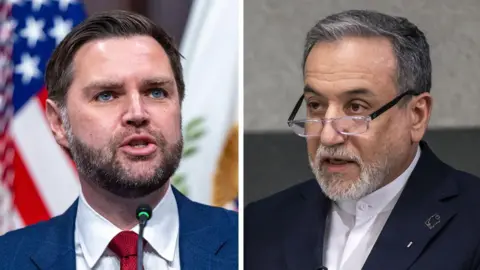
High-stakes face-to-face talks between the United States and Iran concluded without an agreement after nearly a full day of negotiations in Islamabad, with both sides failing to bridge critical differences over Tehran’s nuclear program.
U.S. Vice President J.D. Vance said Sunday that the negotiations ended without a breakthrough, stressing that Washington’s primary demand remains Iran’s clear commitment to abandoning any pursuit of nuclear weapons capability. “We have not reached an agreement… they have chosen not to accept our terms,” he told reporters before departing Pakistan.
The talks, which lasted around 21 hours, marked the first direct engagement between the two countries since the 2015 nuclear agreement negotiated under former President Barack Obama, later withdrawn by Donald Trump. Despite the deadlock, Vance stated that Washington had put forth what it referred to as a "final and best offer," thereby leaving room for additional diplomatic progress.

Negotiations took place amid a fragile ceasefire following weeks of conflict involving U.S. and Israeli strikes on Iran, and escalating regional tensions. Iran has insisted on a set of demands, including guarantees over its nuclear program, the release of frozen assets, and an end to Israeli attacks on allied groups such as Hezbollah.
According to an NPR report, the discussions unfolded alongside heightened military activity in the region, including the movement of U.S. naval forces through the strategic Strait of Hormuz as part of efforts to restore commercial shipping routes and counter Iranian naval threats.
Meanwhile, Israel said it had carried out extensive strikes on targets linked to Hezbollah in Lebanon, underscoring the broader regional stakes surrounding the negotiations. Tehran has made halting such attacks a condition for any long-term agreement.
Pakistan played a central mediating role in bringing both sides to the table, with Prime Minister Shehbaz Sharif and Army Chief Asim Munir credited by both Washington and Tehran for helping broker a temporary ceasefire ahead of the talks.
While the latest round of diplomacy ended without a deal, analysts say continued engagement suggests both sides remain under pressure to find a negotiated path out of the conflict.
BOB Post