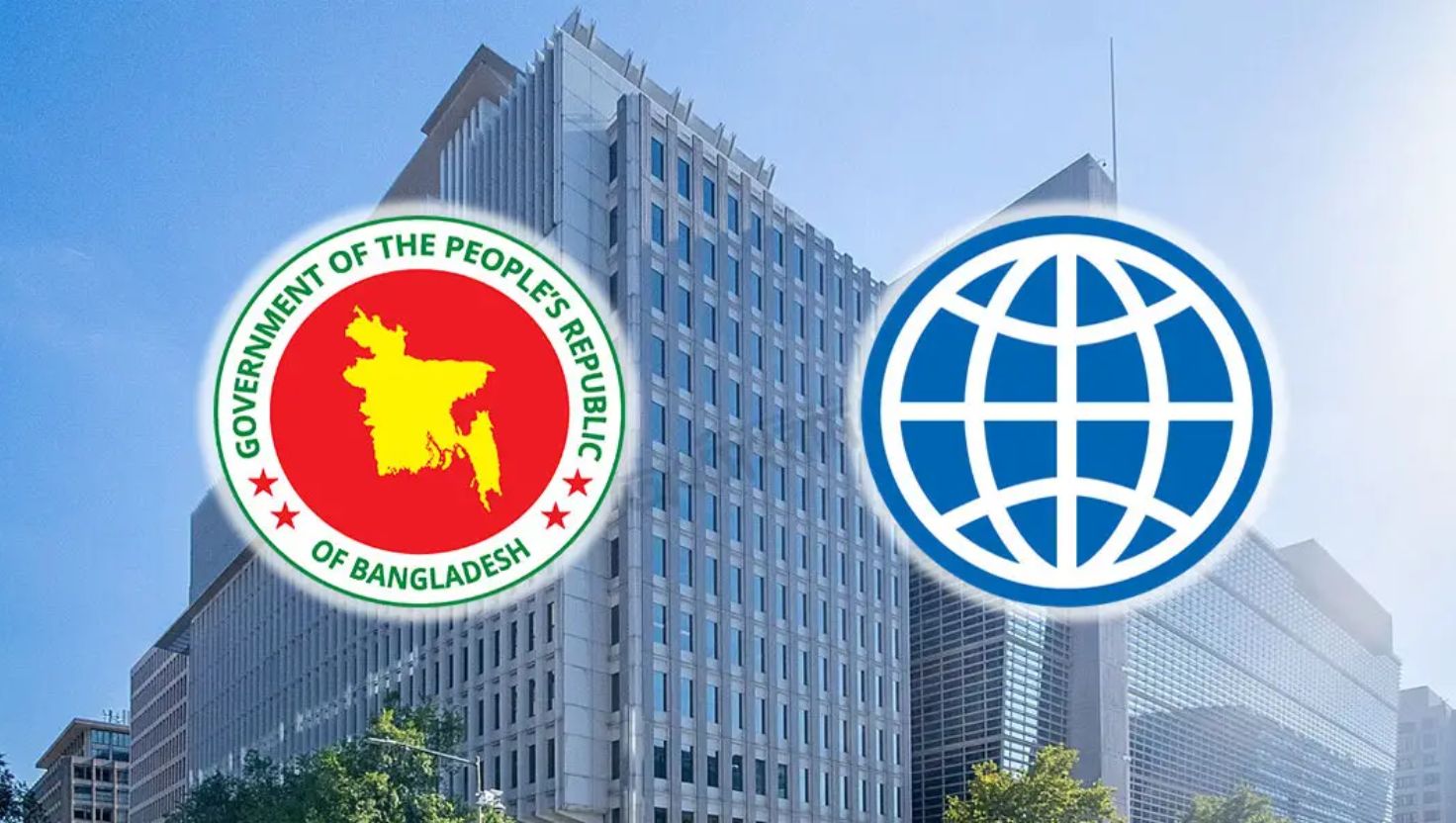
The World Bank has approved a $500 million loan to Bangladesh to boost transparency, accountability, and institutional resilience across the country’s public and financial sectors.
The funding, under the Strengthening Governance and Institutional Resilience Development Policy Credit, aims to improve trust in public institutions and ensure long-term economic stability by supporting key policy reforms.
According to a press release, the programme will help lay the foundation for better public service delivery—particularly for vulnerable households—and enhance corporate governance and financial sector stability.
Bangladesh currently has one of the lowest revenue-to-GDP ratios among middle-income countries, significantly hampering its ability to deliver quality services. The World Bank’s support will aid reforms focused on domestic revenue mobilisation, making tax administration and policymaking more efficient and transparent, in line with international standards.
A significant shift will involve moving to a more structured approach in managing tax exemptions—requiring all exemptions to be approved by Parliament, replacing the current ad hoc process.
In the financial sector, the financing will help strengthen corporate governance and align financial reporting with international norms. It will also give Bangladesh Bank expanded powers to address risks and vulnerabilities in the banking system, bolstering financial stability.
Public sector reforms are also a core component of the programme. By 2027, all government project appraisal documents will be made publicly available. Additionally, the public procurement system will fully adopt electronic government procurement (e-GP), ensure disclosure of beneficiary ownership, and remove price caps to enhance competition and reduce corruption.
The Office of the Comptroller and Auditor General will see its audit capacity strengthened, while the Bangladesh Bureau of Statistics will gain greater independence—steps that are expected to improve transparency and data reliability in public services.
Furthermore, the government plans to enhance the effectiveness of cash transfer programmes for the poor and vulnerable by operationalising a dynamic social registry.
World Bank Interim Country Director for Bangladesh, Gayle Martin, stated that stronger financial management is vital for sustainable growth.
“The government is taking ambitious steps to make its institutions more open and answerable, so they can serve the people better,” she said, adding that the funding will help build a more inclusive and resilient economy.
World Bank Senior Economist and Task Team Leader, Dhruv Sharma, noted the financing aligns with the public’s expectations for greater transparency and accountability. “Improving data systems and targeting of beneficiaries will ensure that government resources reach the poor and vulnerable, particularly during economic shocks and natural disasters,” he added.
The World Bank confirmed that this initiative complements a separate project approved last week, which will support the implementation of the reform agenda.
BOB Post