Bangladesh is witnessing a fresh influx of Rohingya refugees fleeing eviction drives in India and alleged forced recruitment by the Arakan Army in Myanmar, with new arrivals entering through land and sea routes.
At least 13 Rohingya, including two families, recently crossed into Bangladesh from India and Myanmar and reached refugee camps in Ukhiya, Cox’s Bazar. Camp officials said more than 50 others had also arrived in recent weeks.
Six members of a family from Buthidaung township in Myanmar's Rakhine State entered through the Baraitali border in Bandarban on November 11. Another family of seven crossed from India through Satkhira on November 14 before reaching the Kutupalong One East camp.
Minhazul Islam, deputy secretary and camp-in-charge of Kutupalong One East and One West, said 50 Rohingya had recently taken shelter in the One East camp, including 45 who arrived from India. Many had reportedly fled eviction operations in Jammu and Kashmir, where they had lived for years. Some hold UNHCR registration cards, he added.
Those arriving from Myanmar reportedly fled pressure from the Arakan Army to join its ranks. A camp-related source said at least 55 Rohingya entered Bangladesh from Myanmar between October 27 and 29, most from Buthidaung.
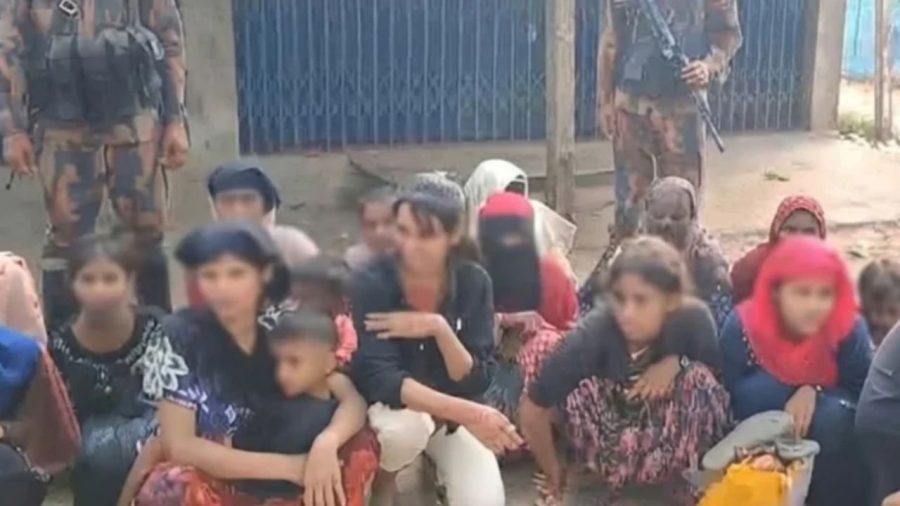
Meanwhile, the maritime route has also emerged as an entry point. On November 9, Border Guard Bangladesh (BGB) detained 38 Rohingya, including 14 women and 16 children, during a raid on a house in Teknaf's Habib Chhara area.
Local sources said between 50 and 60 Rohingya had crossed the Naf River and the Bay of Bengal aboard fishing boats with the help of traffickers. Some reportedly escaped detention and dispersed into nearby settlements.
Lieutenant Colonel Mohammad Tajul Islam Chowdhury, commander of BGB Battalion-2 in Teknaf, confirmed the detention and said legal action had been taken.
The latest movements raise fresh concerns over border security and trafficking networks as Bangladesh continues to shelter more than one million Rohingya refugees, placing additional pressure on its already overstretched humanitarian response.
BOB Post