Myanmar’s government has rejected the International Court of Justice (ICJ) ruling that found the country responsible for genocide against the Rohingya minority, calling the verdict “unfair”. The rejection has drawn further criticism of the landmark judgment, with China also questioning the court’s decision.
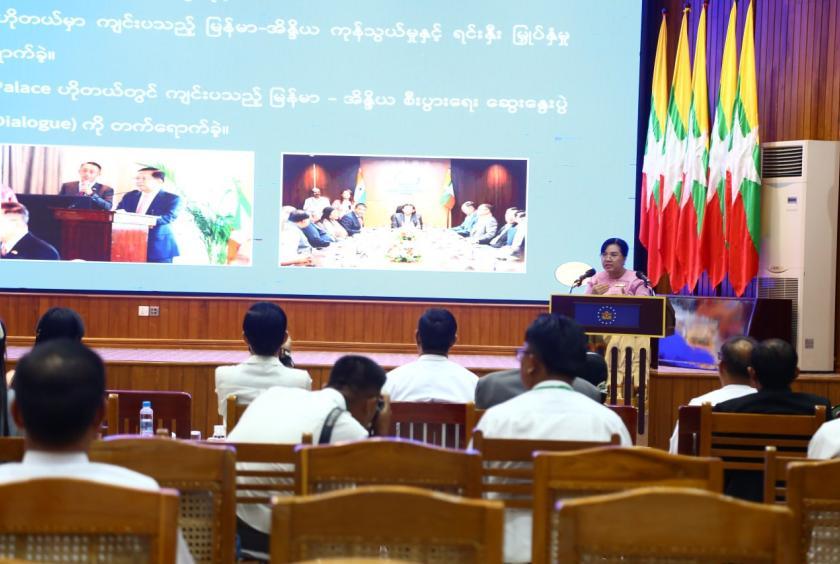
Government spokesperson Khaing Khaing Soe told reporters on Friday that Myanmar had been wrongly accused, challenging the legitimacy of the court’s decision. “Our country was unjustly accused,” she said, describing the verdict as unfair and disputing the judges’ findings.
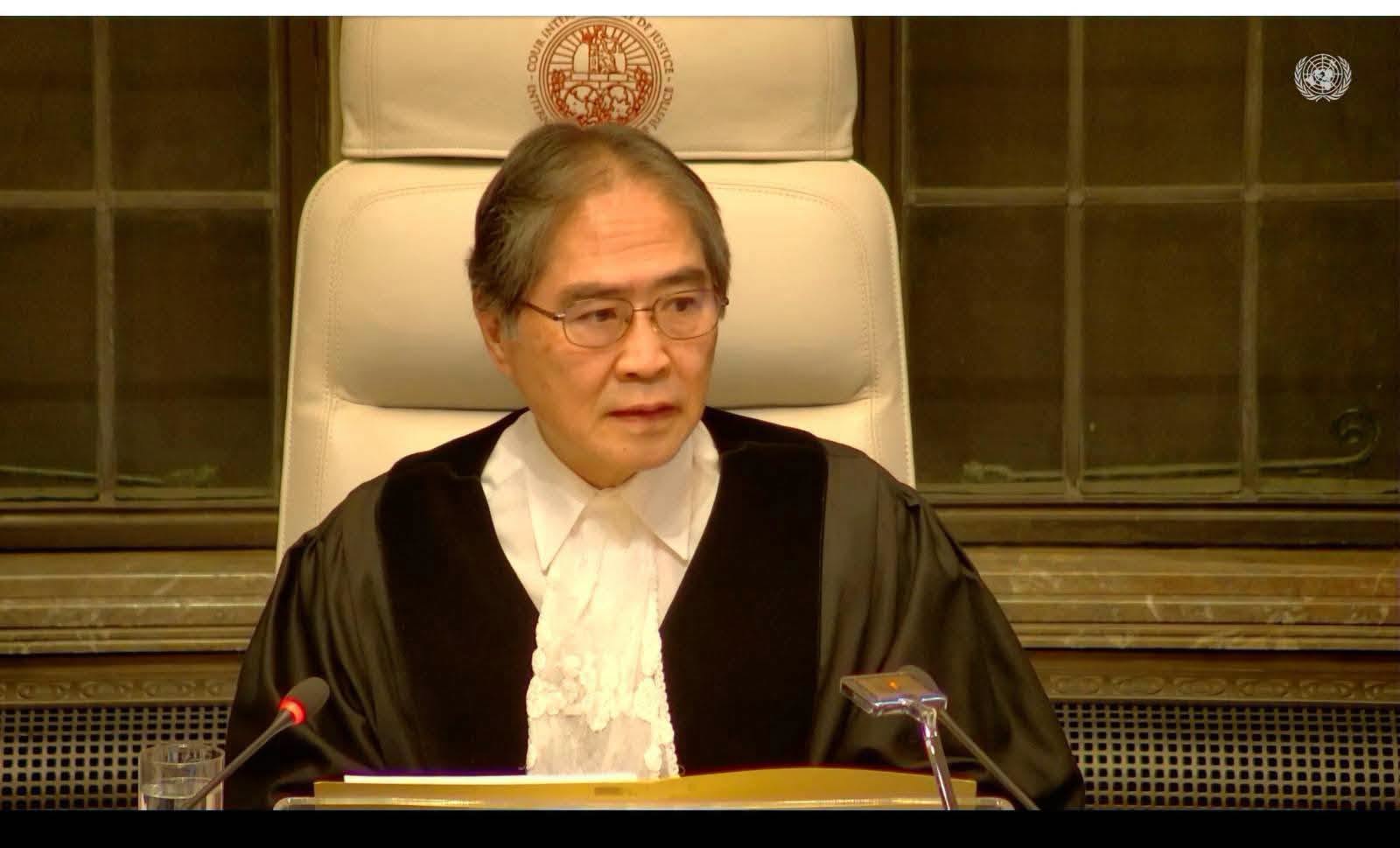
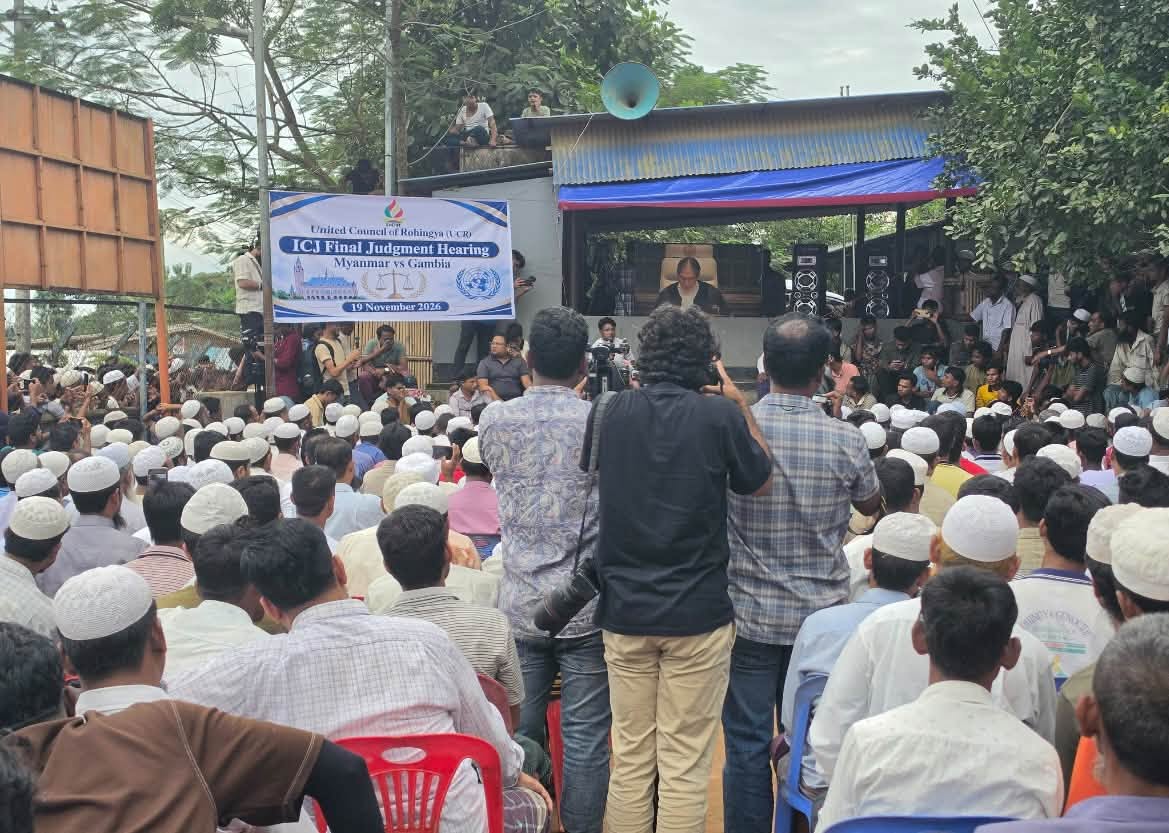
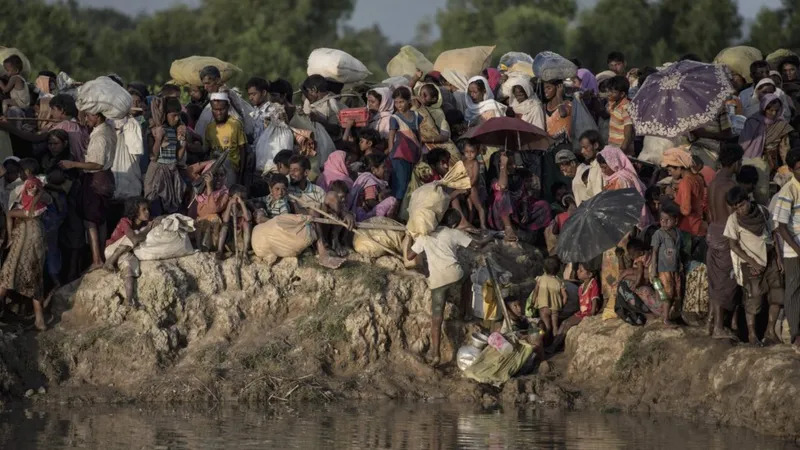
The rejection came a day after the ICJ delivered its historic judgment over Myanmar’s 2017 military crackdown in Rakhine State, which forced around 700,000 Rohingya to flee across the border into Bangladesh. According to Al Jazeera, the court found that Myanmar’s security forces carried out mass executions, widespread rape and sexual violence, and the systematic destruction of hundreds of Rohingya villages during so-called clearance operations.
China, a close ally of Myanmar’s government, also criticized the ruling, arguing that decisions by the UN’s highest court were “not conducive to the settlement of disputes”. Chinese Foreign Ministry spokesperson Guo Jiakun urged the international community to avoid complicating the issue. Beijing’s response followed a joint statement issued with the United States and Russia calling on international bodies, including the ICJ, to refrain from abusing their jurisdiction.
The ruling exposed divisions within the 15-member judicial panel, with nine judges supporting the finding of genocide and six opposing it. A Chinese judge voted in Myanmar’s favour on almost every count, reflecting the diplomatic divisions surrounding the case.
Beyond its historical significance, the judgement carries major implications for Myanmar, requiring the country to compensate the Rohingya for violations, with the amount to be determined later, and to facilitate the safe and dignified return of those displaced by its actions.
The verdict has also renewed international attention on the plight of Rohingya refugees across the region. Malaysia announced on Friday that it planned to resettle 10,000 Rohingya refugees in Türkiye as part of efforts to address its prolonged refugee crisis. Rohingya account for around two-thirds of the estimated 190,000 Myanmar refugees and asylum seekers living in Malaysia, according to the United Nations.
Meanwhile, Myanmar remains engulfed in a widening civil war, including in Rakhine State, the ancestral homeland of most Rohingya. The government's rejection of the ICJ judgment raises fresh questions about its willingness to accept international accountability and whether the court's ruling can translate into justice, reparations and a safe return for hundreds of thousands of displaced Rohingya.
BOB Post