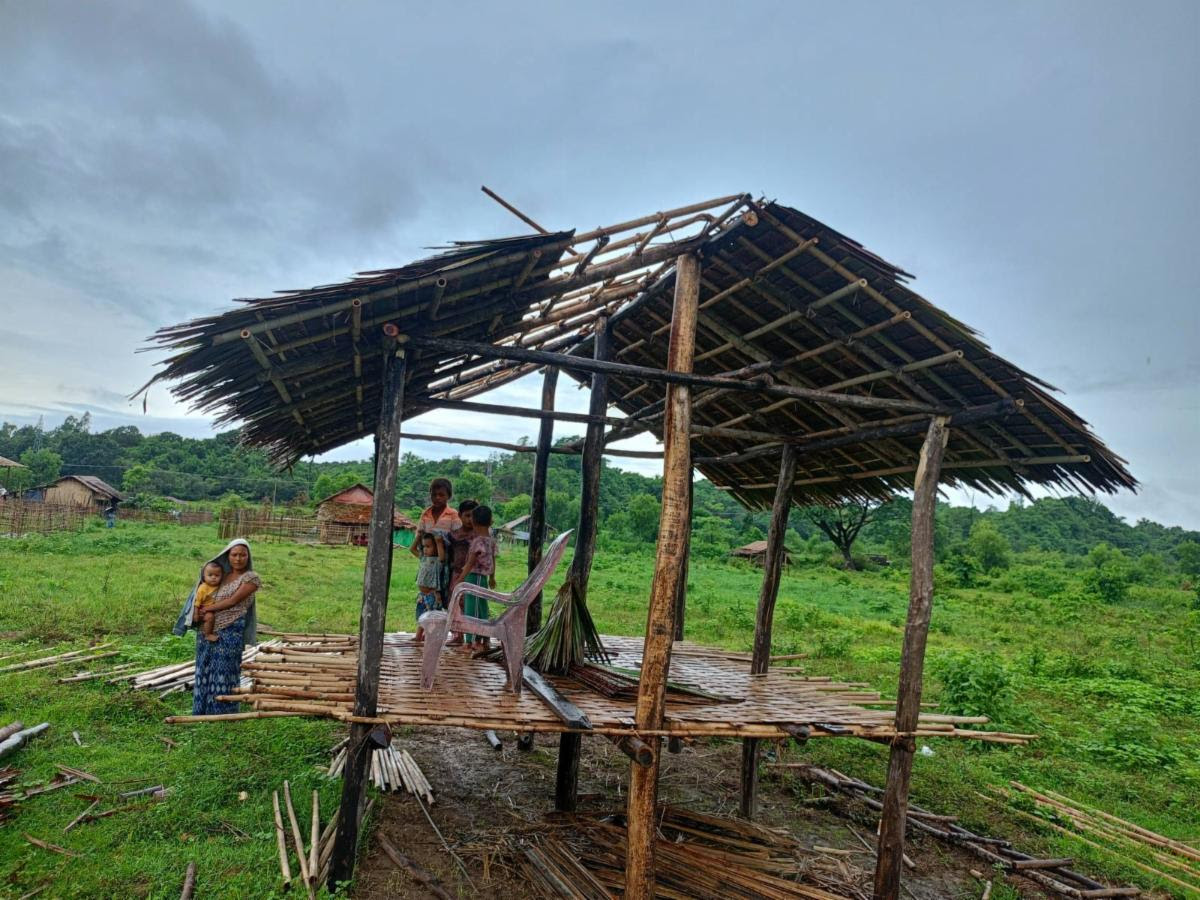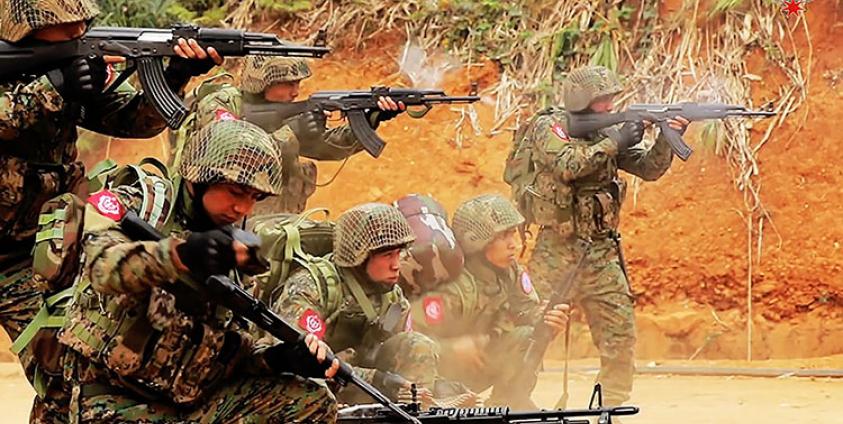
More than two years of intense fighting have transformed the military landscape in Myanmar's Rakhine State, with the Arakan Army (AA) emerging as the dominant force across much of the region. Yet despite its battlefield successes, the conflict has brought little closer the goals that many Rakhine residents once hoped for peace, stability and a lasting political solution.
Instead, the war has become increasingly defined by territorial control rather than political progress. While the AA has expanded its influence, there is still no clear roadmap for governance, reconciliation or an inclusive settlement that addresses the interests of all communities living in Rakhine.
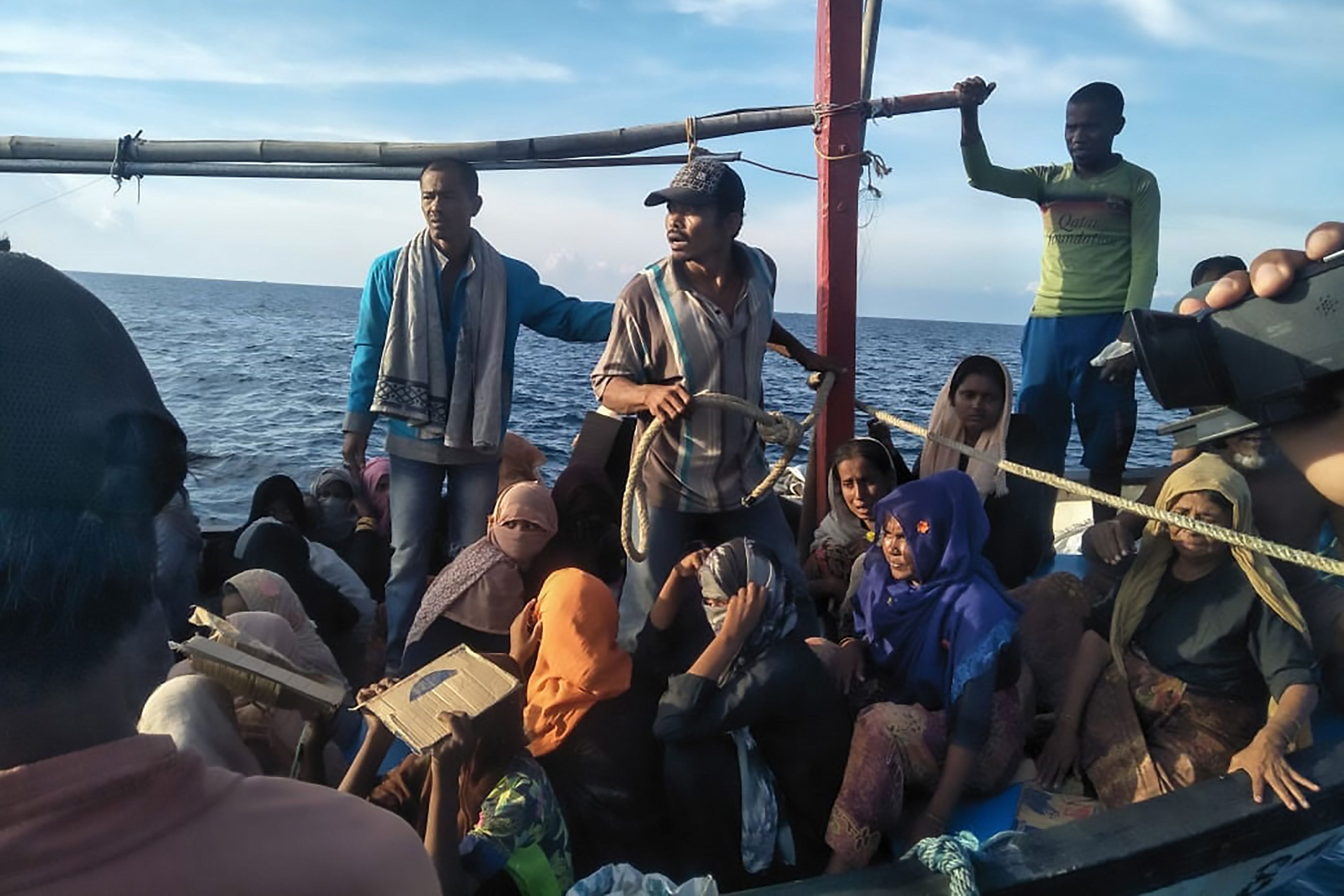
The conflict has also drawn growing international attention over allegations of abuses against civilians. Rights groups have accused the AA of committing serious violations, including against Rohingya civilians, while the group has rejected many of the allegations. These claims have further complicated the region's already fragile ethnic relations and weakened prospects for trust-building.
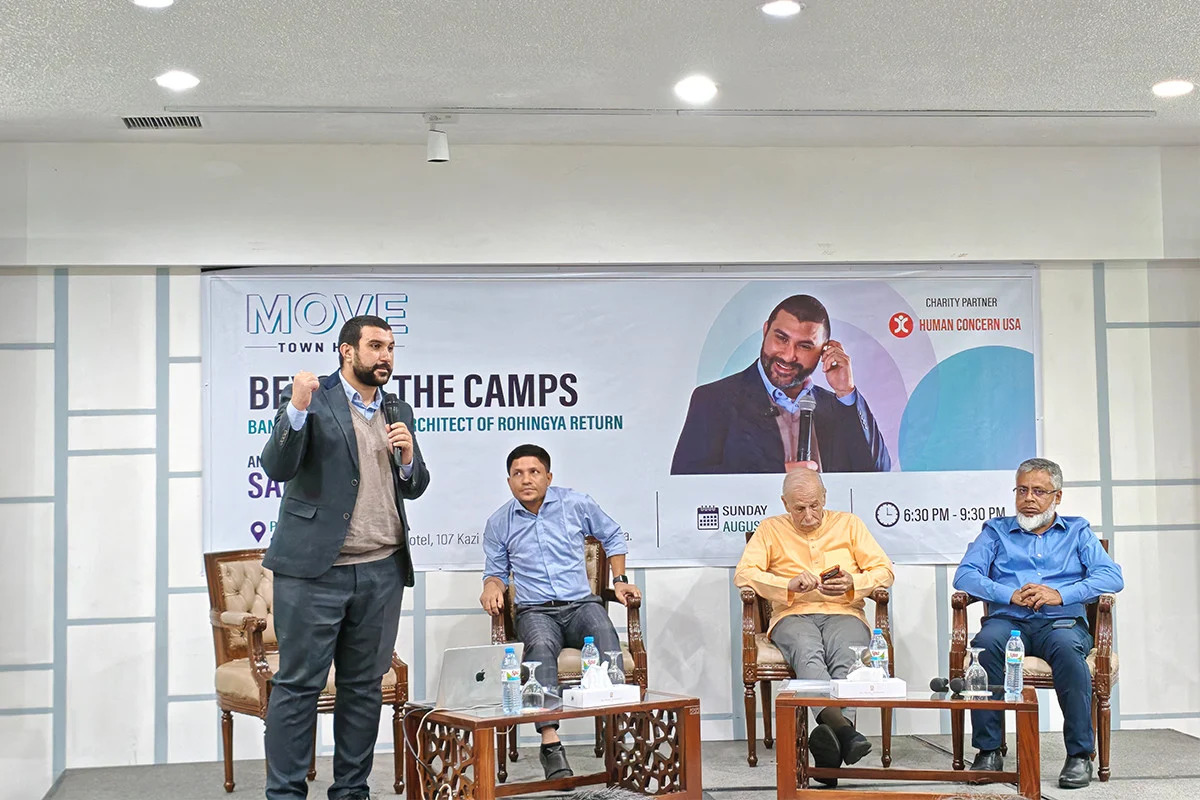
At the same time, renewed activism by Rohingya groups and mounting calls for justice and accountability have added another layer of tension to an already volatile situation. The widening divide between competing political and ethnic narratives has made dialogue even more difficult.
For many analysts, the war now appears to be trapped in a cycle of military advances without a corresponding political vision. Controlling territory may change the balance of power, but it does not by itself deliver peace, rebuild fractured communities or resolve decades of conflict.
As the fighting continues, the biggest question remains unanswered: what comes after military victory? Until that question is addressed through an inclusive political process, Rakhine's people regardless of ethnicity are likely to remain caught in a conflict that has changed the map but not their future.
BOB Post