Malaysia has defended its decision to pursue diplomacy with Myanmar over the Rohingya refugee crisis, arguing that years of international condemnation have failed to bring meaningful changes to the country’s policies.
Prime Minister Anwar Ibrahim said engagement with Myanmar’s leadership was necessary to find a lasting solution, as the continued suffering of Rohingya Muslims in Myanmar’s Rakhine State has also placed growing pressure on Malaysia.
“We have been expressing anger and criticising them for 20 or 30 years, but it has had no effect. There has been no change in policy,” Anwar said, according to Malay Mail.
He recalled meeting Myanmar leader Min Aung Hlaing on two previous occasions, during which he urged him to adopt a more moderate position.
Anwar said the humanitarian situation remained a major concern, with around 200,000 people from Myanmar having fled to Malaysia. Their presence has added to domestic pressures, while public frustration over the refugee situation has continued to grow.
“The people in Rakhine, the Rohingya, continue to suffer,” he said, noting that the burden on Malaysia had also fuelled discontent among parts of the population, including the Malay community.
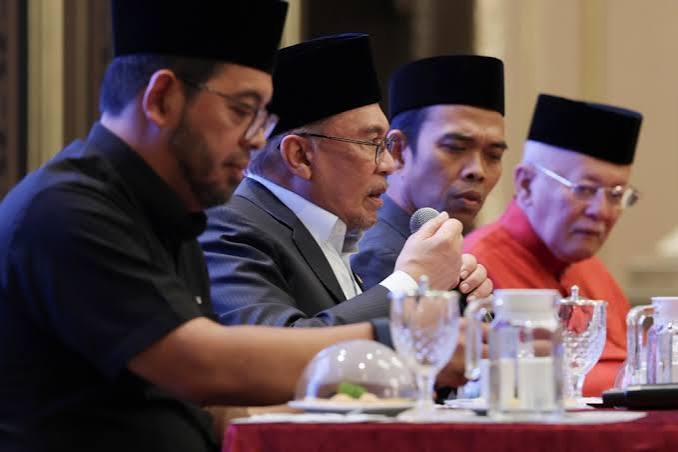
Anwar made the remarks at the Majlis Ilmu Madani programme at Kompleks Seri Perdana, which featured Indonesian preacher Ustaz Dr Abdul Somad Batubara as a guest.
He was explaining Malaysia’s position on refugees from Myanmar, including the Rohingya, and its efforts to facilitate their return to their homeland.
However, any return of Rohingya refugees would depend on conditions in Myanmar, where the community has faced decades of persecution, discrimination and restrictions on citizenship and basic rights.
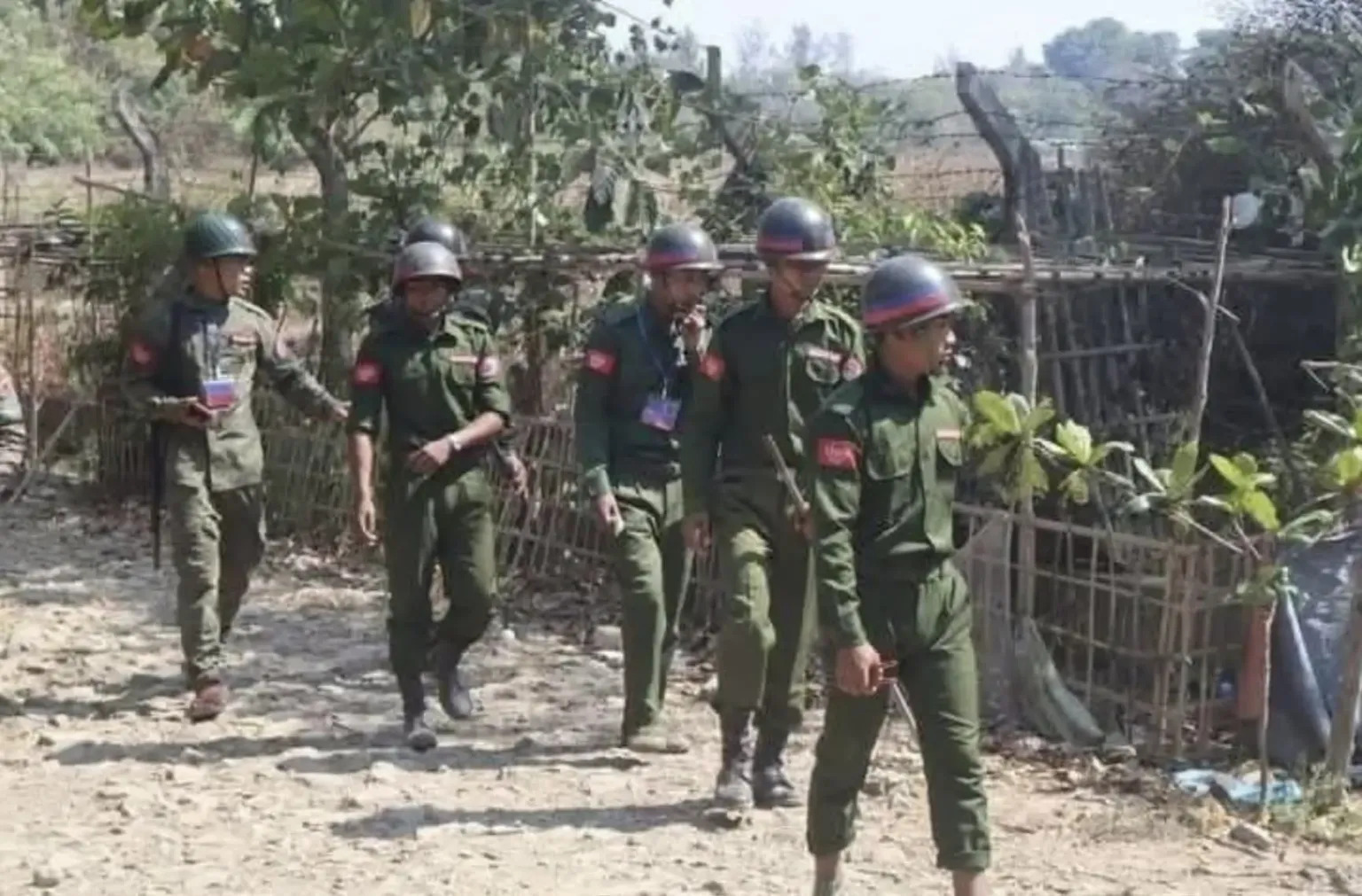
The Rohingya crisis has remained unresolved since the mass exodus of 2017, when more than 700,000 people fled a military crackdown in Myanmar’s Rakhine State and sought refuge in Bangladesh. Renewed fighting in Rakhine has further complicated prospects for safe repatriation.
Human rights groups and international organisations have repeatedly stressed that any return must be voluntary, safe and dignified, with guarantees of security and fundamental rights.
For Malaysia and other countries hosting Rohingya refugees, diplomatic engagement remains one avenue for addressing the crisis. But without concrete changes in Myanmar, the prospect of a sustainable return for displaced Rohingya remains uncertain.
BOB Post