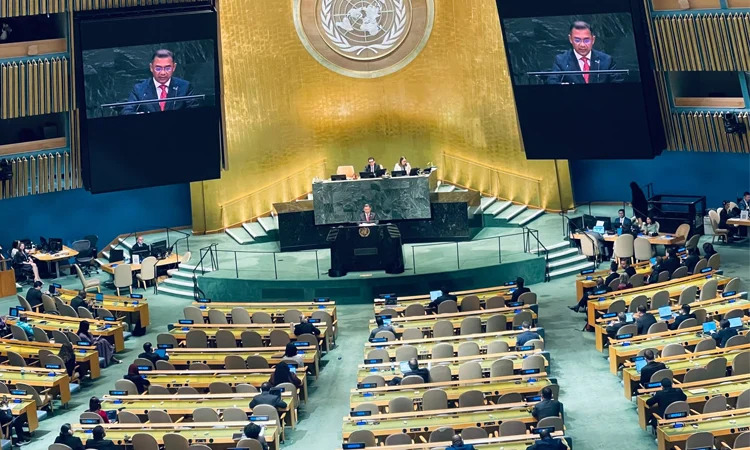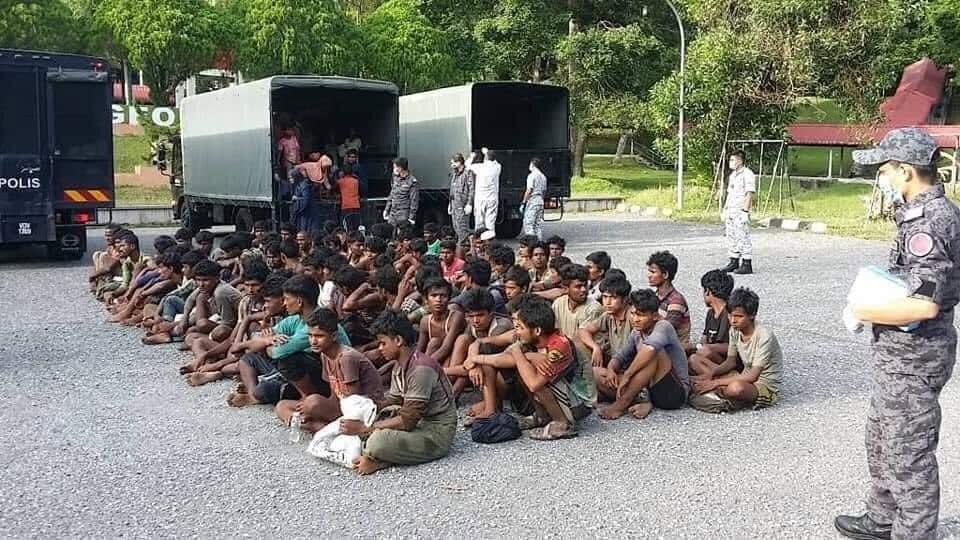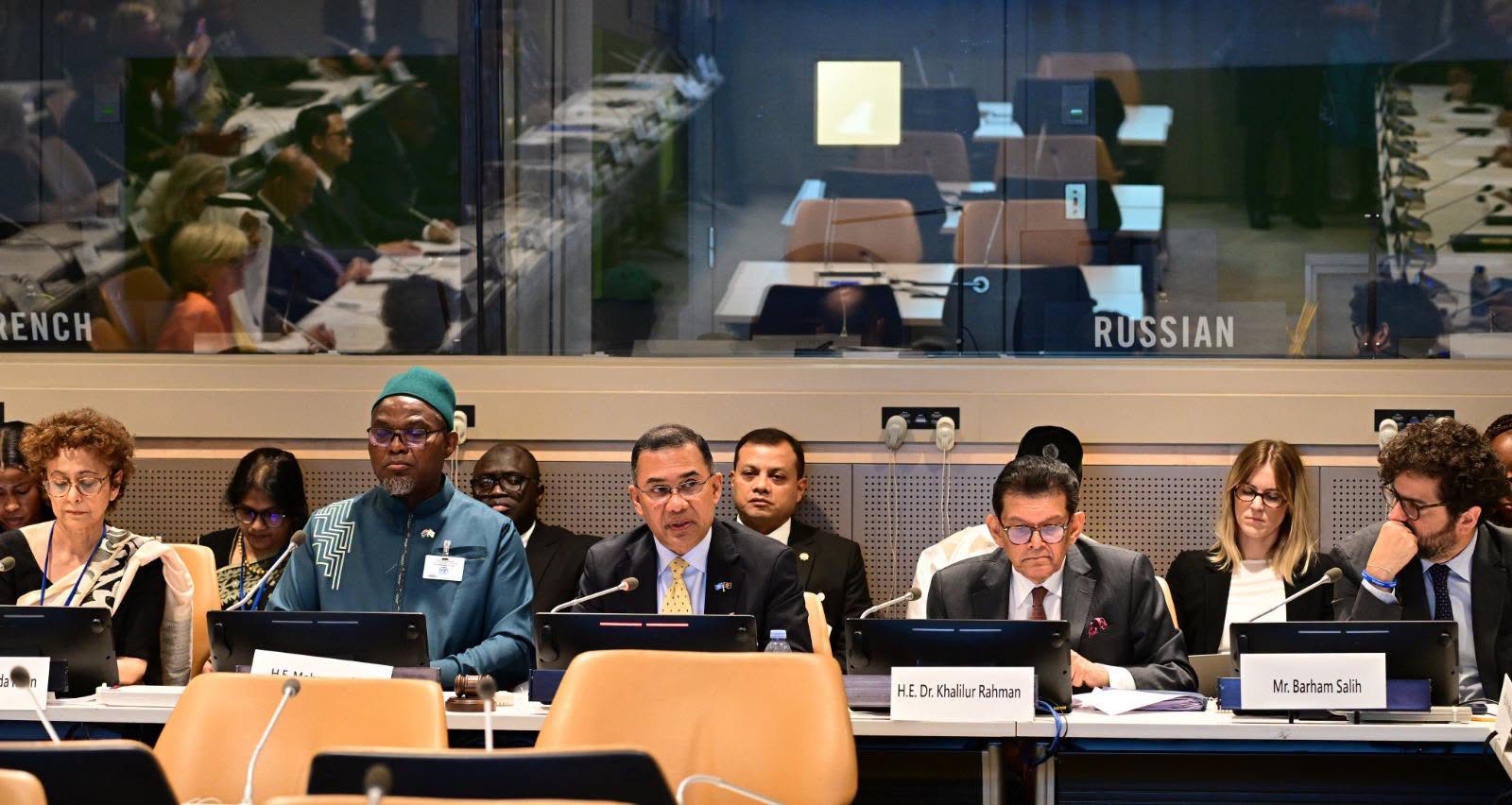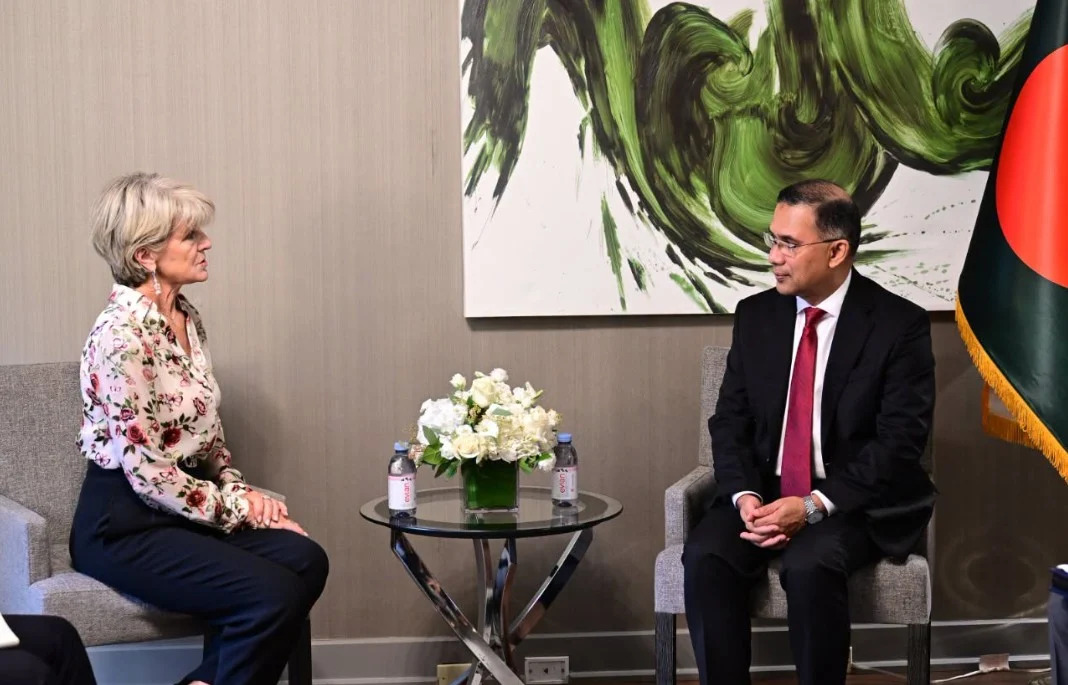
Newly appointed State Minister for Foreign Affairs Humaiun Kobir has called on the international community to step up diplomatic pressure on Myanmar to facilitate the safe, sustainable and dignified return of Rohingya refugees, warning that the prolonged crisis must not fade from the global agenda.
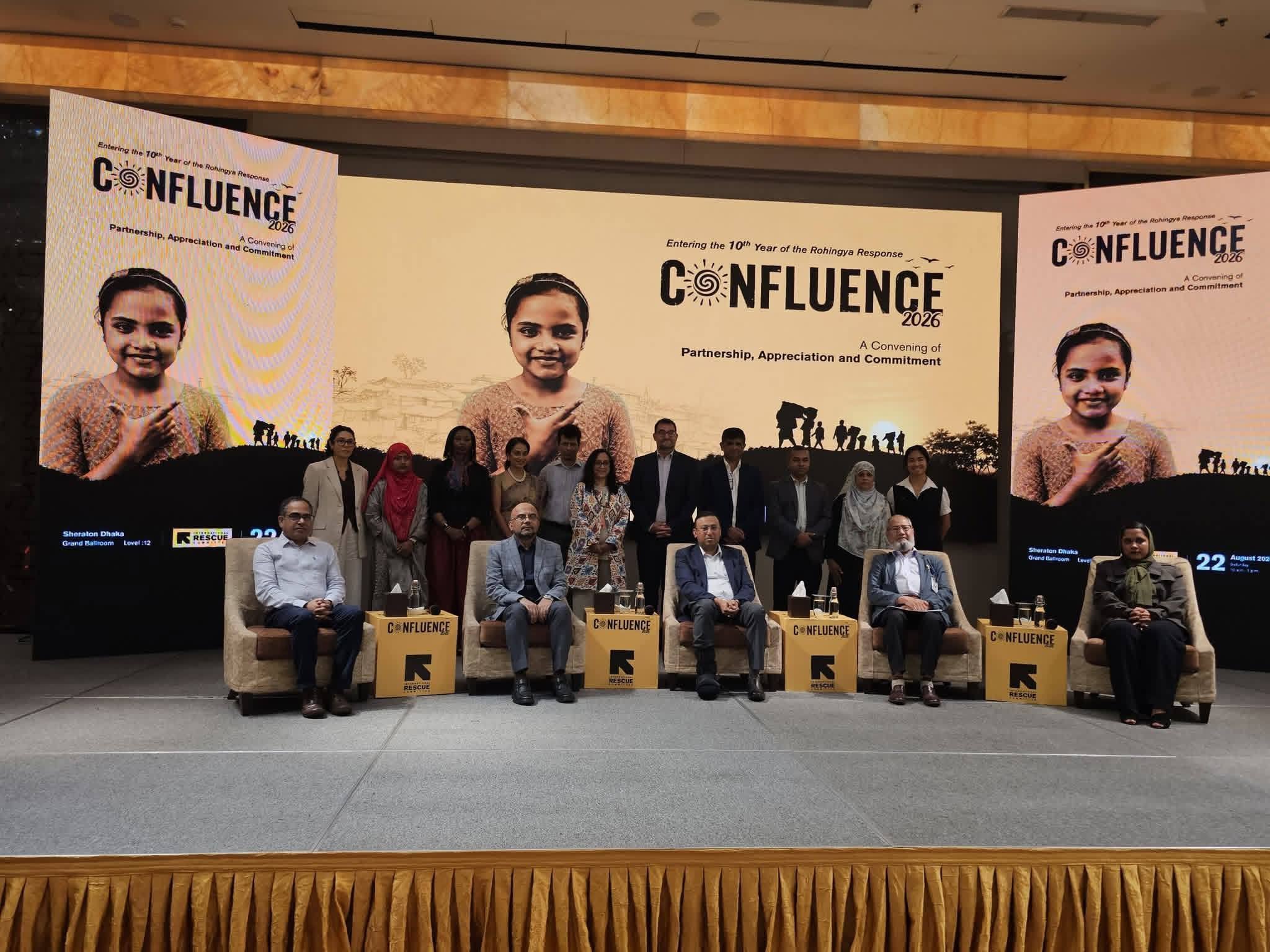
Speaking at “Confluence 2026: A Convening of Partnership, Appreciation, and Commitment”, organized by the International Rescue Committee (IRC) at a Dhaka hotel, Kobir said a collective international effort was needed to create meaningful pressure on Myanmar and address the root causes of the crisis.
According to BSS, the event marked the ninth anniversary of the mass displacement of Rohingyas from Myanmar to Bangladesh in August 2017 and brought together government officials, humanitarian actors, donors, Rohingya representatives and members of host communities.
“The international community must work collectively to create meaningful pressure on Myanmar to ensure the sustainable and dignified return of the Rohingya to their country,” Kobir said.
He stressed that the Rohingya crisis should not become a “forgotten crisis” and said Bangladesh expected greater international responsibility-sharing as the humanitarian situation continued to put pressure on the country.
The state minister also urged the international community to expand third-country resettlement opportunities and pursue other durable solutions for the Rohingyas, alongside efforts aimed at eventual repatriation.
Kobir said the Bangladesh government had identified the Rohingya issue as one of its foremost foreign policy priorities, making clear that its approach would go beyond humanitarian management.
“We are not merely seeking to manage the crisis through humanitarian assistance, we remain firmly committed to pursue a sustainable and lasting solution to the Rohingya issue,” he said.
IRC Deputy Regional Director for Asia Hasina Rahman said the international response needed a fundamental rethink as funding constraints and declining global attention threatened the effectiveness of humanitarian operations.
“Nine years in, business as usual will not carry us into year ten, or year fifteen. With funds shrinking and global attention drifting elsewhere from this crisis, we must plan together, prioritise protection and the most vulnerable,” she said.
Two panel discussions at the event examined the future of the Rohingya response, focusing on the changing humanitarian environment, protection needs and the sustainability of assistance programmes.
Participants emphasized the need for continued international funding, stronger protection mechanisms, and uninterrupted access to essential services for Rohingya refugees and vulnerable members of host communities.
They also called for a longer-term, integrated strategy that places the rights, dignity and aspirations of both Rohingya refugees and Bangladeshi host communities at the centre of international efforts.
The event was attended by NGO Affairs Bureau Director General Mohammad Zakaria, Refugee Relief and Repatriation Commissioner Mohammad Mizanur Rahman, ActionAid Bangladesh Country Director Farah Kabir, World Bank Divisional Director for Bangladesh and Bhutan Jean Pesme, and representatives of diplomatic missions, UN agencies and humanitarian organizations.
BOB Post