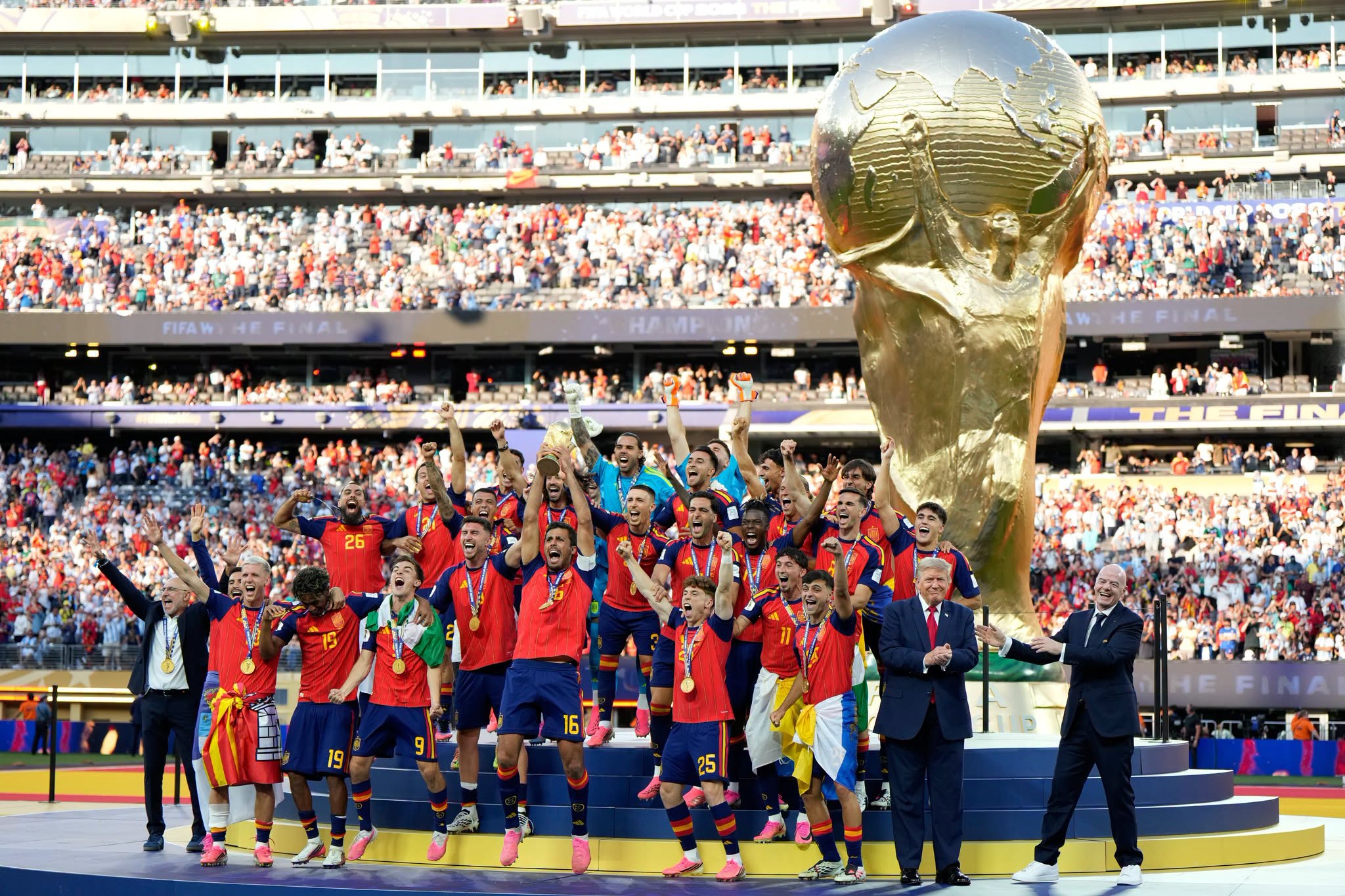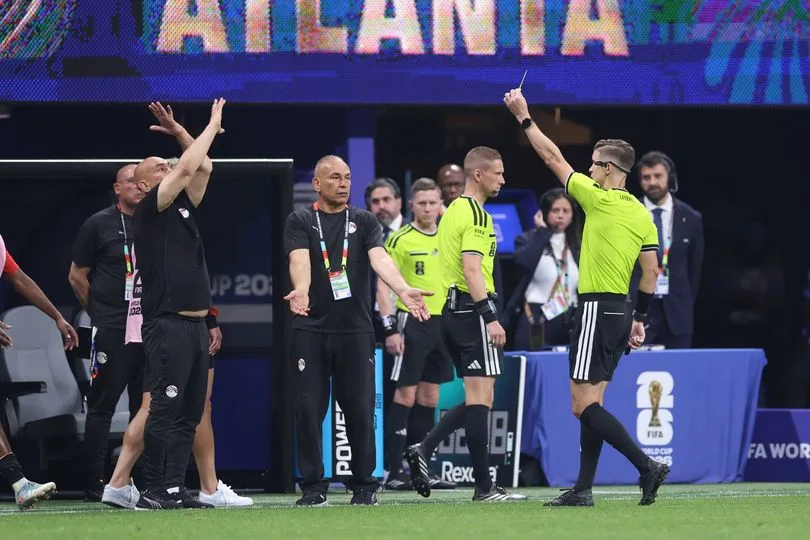
Egypt accused football authorities of favoritism toward world champions Argentina after a dramatic 3-2 World Cup defeat, with head coach Hossam Hassan alleging that controversial refereeing decisions and VAR interventions robbed the Pharaohs of a historic quarter-final berth.
Egypt appeared destined for one of the greatest victories in their football history after establishing a 2-0 lead over Argentina with just 12 minutes remaining in regulation time. The African side looked in complete control before the reigning champions mounted a stunning late comeback through Cristian Romero, Lionel Messi and Enzo Fernandez to snatch victory in stoppage time.
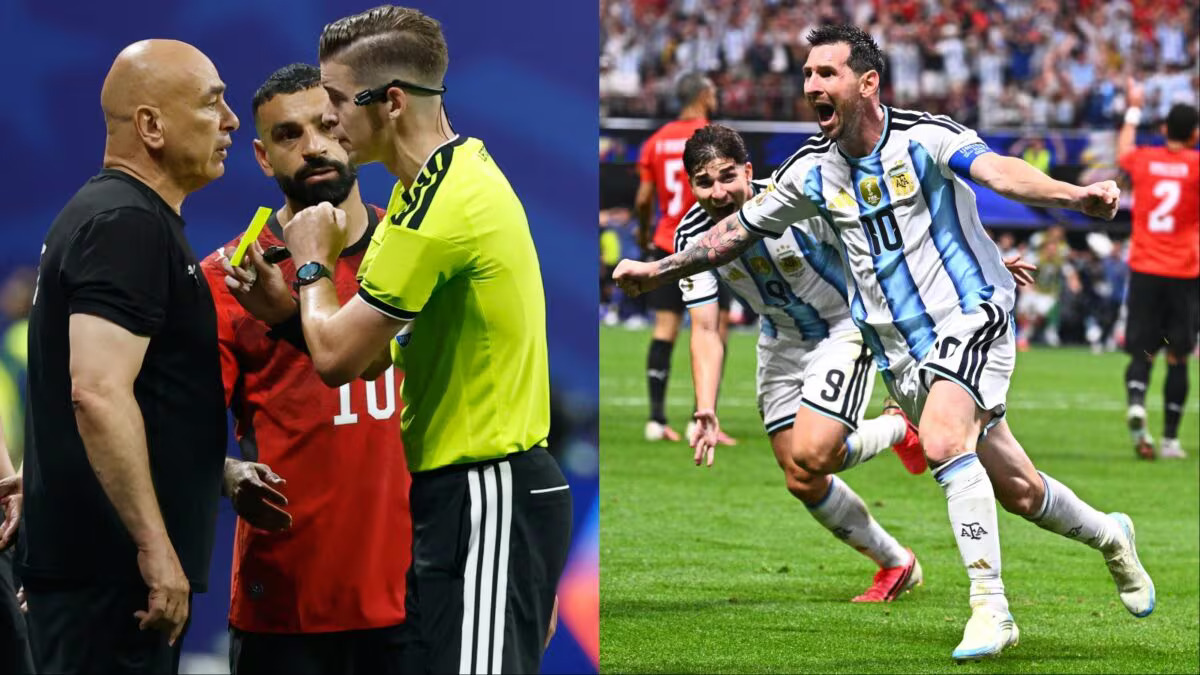
The defeat has triggered fierce criticism from the Egyptian camp, where officials and players questioned the credibility of key officiating decisions that dramatically altered the course of the match.
The biggest flashpoint came when Egypt had what would have been a crucial second goal by Mostafa Zico ruled out following a VAR review. Officials determined that midfielder Marwan Attia had committed a foul on Argentina defender Lisandro Martinez during the build-up after what Egyptian officials described as only minimal contact.
Egypt were equally incensed moments before Argentina's winning goal, insisting captain Mohamed Salah had been fouled inside the penalty area. Instead of awarding a spot-kick, play continued, allowing Argentina to launch the counterattack that ultimately produced Enzo Fernandez's decisive stoppage-time header.
The sequence of events has fueled accusations that football's most celebrated nation received preferential treatment at a pivotal stage of the tournament.
Speaking after the match, an angry Hossam Hassan accused tournament officials of failing to provide a level playing field.
"There have been a lot of things to be questioned on and off the pitch," Hassan said. "It's about credibility. We suffered injustice."
The Egyptian coach went further, suggesting the tournament had a vested interest in keeping Argentina and Lionel Messi alive in the competition.
"Perhaps they wanted to keep the world champion in the competition. Perhaps they wanted Messi to stay in the running," he said, alleging that Argentina "received support at every level."
While no evidence has been presented to substantiate the allegations, Hassan's remarks are likely to intensify scrutiny over the consistency and transparency of VAR decision-making at football's biggest tournament.
The dramatic collapse was particularly painful for Egypt, who had been within touching distance of reaching their first-ever World Cup quarter-final. Instead, their dream ended amid scenes of disbelief, with several players collapsing to the pitch after the final whistle.
The match has already become one of the tournament's defining encounters not only for Argentina's extraordinary comeback but also for the fierce controversy surrounding the officiating. It has reignited longstanding debates over whether VAR consistently delivers fairness or whether subjective interpretations continue to influence outcomes in football's biggest matches.
For Egypt, however, the lasting memory will not simply be surrendering a two-goal advantage. It will be the conviction that history was rewritten by contentious decisions, leaving players and supporters convinced that one of the World Cup's greatest upsets was denied by controversy rather than football alone.
BOB Post