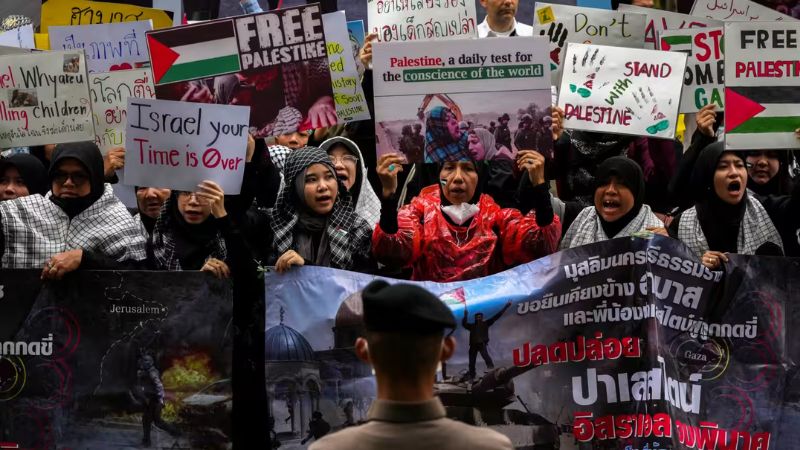
The growing violence in Gaza is igniting a fresh wave of anti-Israel sentiment across the Muslim-majority countries of South Asia. Outrage on social media has erupted into protests in person, diplomatic initiatives, and audacious government policies.
Demonstrators are filling public squares, and governments are changing their foreign policy positions in response to growing pressure from civil society.
This change in the region points to a widening gap that may alter alliances and put established geopolitical balances in jeopardy.
Dhaka’s Streets Roar for Gaza

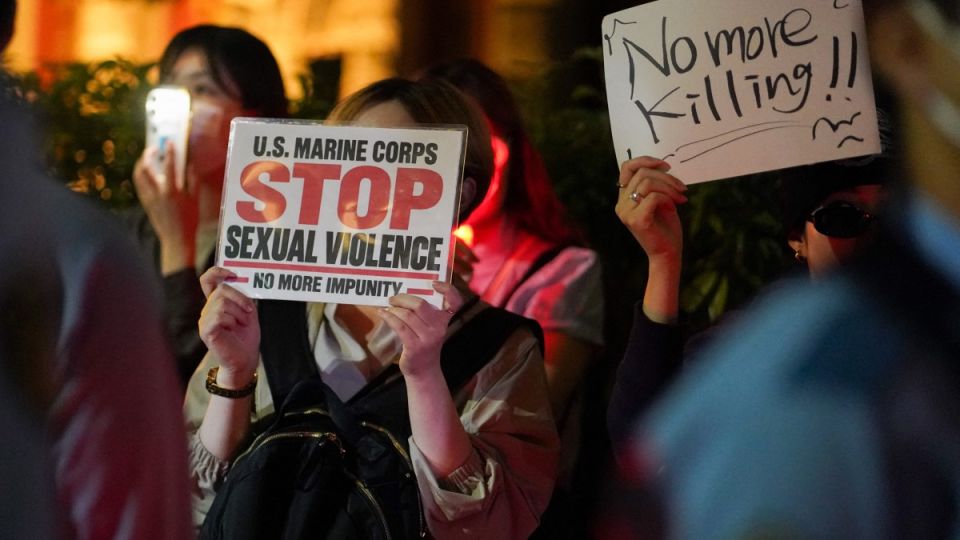
In Bangladesh, the capital city of Dhaka witnessed a sea of protestors on April 12, as over 100,000 people turned out for a historic "March for Gaza." From students to senior clerics, the crowd chanted “Free Palestine” and hoisted Palestinian flags high above their heads.
Symbolic coffins, flags draped in black, and even effigies representing victims of Israeli strikes added a dramatic, emotional layer to the rally. The demonstration—led by the Palestine Solidarity Movement—was backed by multiple opposition parties and Islamic groups, amplifying its political resonance.
In a symbolic gesture, the government quietly returned the phrase “valid for all countries except Israel” to new Bangladeshi passports—reigniting a diplomatic fire long dormant.
Pakistan: Holy War Rhetoric on the Rise

Across the border in Pakistan, thousands poured into Lahore’s streets under the banner of Jamaat-e-Islami on April 11. Protestors not only denounced Israel but called for broader Muslim unity and even a “holy war” to defend Gaza.
Pakistan, which has never recognized Israel, has doubled down on its calls for an immediate and permanent ceasefire. Islamabad has been pushing Muslim-majority countries to take coordinated action against what it calls “Israeli aggression.”
Maldives Shuts Its Doors to Israelis

In a dramatic policy shift, the Maldives has announced a complete visa ban on Israeli passport holders. President Mohamed Muizzu signed the order earlier this week, declaring that the entry of Israelis would be prohibited “until inhumane acts against Palestinians cease.”
The Maldives has also voiced plans to support South Africa’s genocide case against Israel at the International Court of Justice, aligning itself with other nations pressing legal action against Tel Aviv.
Ripple Effects on Diplomacy and Business
These moves aren’t just symbolic—they’re shaking the region’s diplomatic web. With Bangladesh and Pakistan maintaining a hardline stance, and the Maldives taking a legal route, the trio are drawing clear lines in a global divide.
Meanwhile, boycott movements targeting Western companies seen as supportive of Israel have gained steam across the region. Brands with global footprints are feeling the pressure, especially in consumer markets like Bangladesh and Pakistan.
A Diplomatic Domino?
This sharp turn could strain Israel’s limited ties in the region and influence larger geopolitical equations. The growing chorus of dissent from South Asia’s Muslim nations may impact trade, tourism, and even broader alliances involving the U.S. and Gulf states.
As Gaza remains in crisis, the political aftershocks are reverberating far beyond the battlefield—echoing in the streets of Dhaka, Lahore, and Malé.
BOB Post