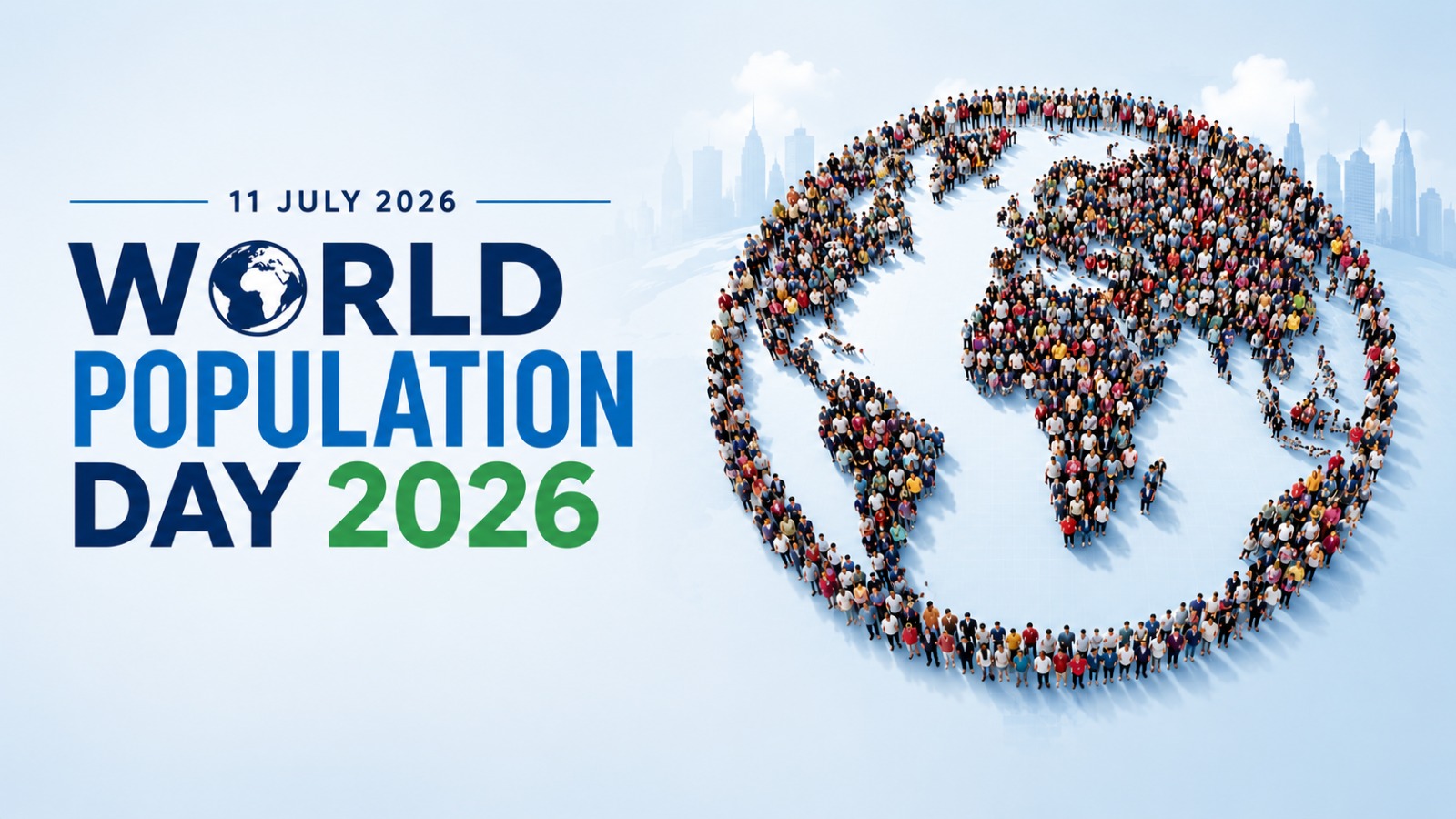
As the world marks World Population Day on July 11, 2026, the global conversation is centered on young people. This year's theme, "Realizing the hopes and aspirations of young people – today and for the future," highlights the need to ensure that young people can make informed choices about their lives, education, careers, and families. Yet for millions of young people in many developing countries, those aspirations remain difficult to achieve.
In parts of South Asia and sub-Saharan Africa, where populations continue to grow rapidly, governments are struggling to keep pace with rising demand for jobs, education, healthcare and housing. While a growing youth population has the potential to drive economic growth, inadequate investment and limited employment opportunities have left many young people facing an uncertain future.
According to United Nations population projections, the world's population is still increasing, with the fastest growth occurring in sub-Saharan Africa and parts of South Asia. Every year, millions of young people enter the labour market, but formal job creation has failed to keep up in many low- and lower-middle-income countries.
As a result, youth unemployment and underemployment remain persistent challenges. Even those who find work often end up in informal or low-paying jobs with little job security or career advancement. Overcrowded classrooms, overstretched healthcare systems, rising housing costs and mounting environmental pressures further add to the difficulties faced by young generations.
Experts have long argued that a large working-age population can become a powerful engine of economic growth, a phenomenon known as the demographic dividend. However, they caution that this opportunity can quickly turn into a burden if countries fail to invest in quality education, vocational training, healthcare, productive industries and employment generation.
The shortage of opportunities has also fueled a growing wave of migration. Skilled professionals, including doctors, engineers, researchers and information technology specialists, continue to leave developing countries in search of better salaries, research facilities and career prospects abroad.
While remittances from overseas workers provide important support for many economies, the long-term loss of skilled workers weakens essential sectors such as healthcare, education and innovation. The departure of highly educated young professionals also limits countries' ability to build competitive economies and create opportunities for future generations.
Development specialists say the challenge extends beyond employment alone. Governance gaps, weak institutions, corruption, inadequate infrastructure and uneven economic growth have made it difficult for many countries to translate population growth into sustainable development.
The United Nations' focus on youth aspirations has been widely welcomed, but many analysts argue that achieving those aspirations will require more than awareness campaigns or skills training. They say governments must pursue comprehensive reforms that expand quality education, attract investment, create decent jobs, strengthen public institutions and improve social services.
As World Population Day is observed worldwide, the message is clear: young people represent one of the world's greatest assets. But unless developing nations can match rapid population growth with economic opportunity and effective public policies, the hopes of millions of young people may remain out of reach.
For many countries facing demographic pressure, empowering youth is not simply a development goal, it is essential for long-term economic stability, social cohesion and sustainable growth.
BOB Post